

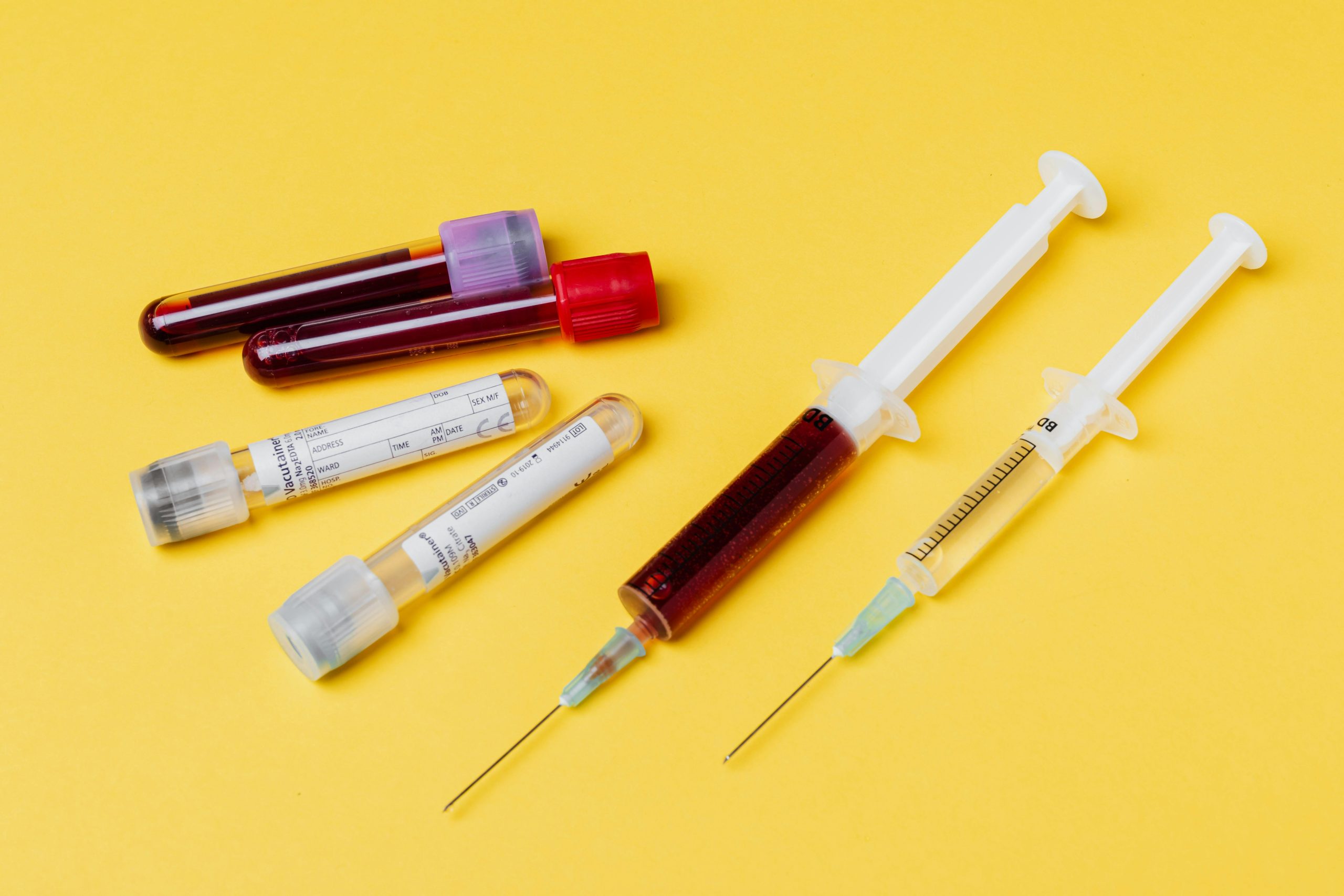
In the 1960s, patients with haemophilia were generally treated with a frozen blood product called cryoprecipitate, or cryo for short. (Pexels Photo)
The infected blood scandal has been hailed the worst treatment disaster in the history of the NHS. Over 3,000 people have died as a result of receiving contaminated blood products in the 1970s, 80s and 90s, and it is estimated that an infected person still dies every four days.
As the scandal unfolded, repeated calls for justice and recognition were ignored. An independent public inquiry was finally announced in 2017. The delay is itself a source of harm.
Too many have died without redress or adequate support. The infected blood inquiry, chaired by Sir Brian Langstaff, is the largest public inquiry ever carried out in the UK. The inquiry is due to issue its final report on May 20 2024.
Public inquiries are major investigations set up by government to respond to catastrophic events. The infected blood inquiry has investigated the causes and effects of the infected blood scandal to get to the truth of what happened.
The inquiry team has reviewed extensive evidence, including many thousands of pages of public records, and evidence from the government, the NHS, the national blood services and pharmaceutical companies.
Thousands of oral and written submissions from those infected and affected were considered.
In oral hearings across the UK, people gave powerful accounts of their experiences and heard, in turn, from people who had been involved in offering treatment, determining policy and responding to the emerging disaster.
Some 2,007 of the infected and affected were appointed as “core participants”, and they worked with the inquiry team to formulate questions put to ten expert groups.
Nowadays, the infections with which the inquiry has been particularly concerned – hepatitis B, hepatitis C and HIV – are better understood and effective treatments are available. However, although doctors were aware of the risks of hepatitis B in the 1970s, hepatitis C and HIV took much longer to identify and understand.
Unexplained hepatitis was discussed from 1969, and the infectious agent hepatitis C, which can lead to chronic infection, serious liver damage and death, was identified in 1989.
The first UK case of Aids was in 1981. HIV was identified as the cause in 1983, but there was no treatment for Aids and the stigma was considerable.
Of the thousands of men, women and children infected with hepatitis C or HIV, the route of infection was most commonly a direct result of a contaminated blood transfusion, or through the use of medical treatment derived from contaminated human blood products.
People were put at risk by blood transfusions required to save their lives or aid their recovery, and by treatments aimed at managing blood clotting conditions such as haemophilia.
In the 1960s, patients with haemophilia were generally treated with a frozen blood product called cryoprecipitate, or cryo for short. Cryo posed a relatively low risk of passing on infection because a single dose was derived from a single blood donation. But it was difficult to store and administer and made life difficult for patients.
In the early 1970s, a revolutionary new treatment, factor VIII, resolved many of these problems and was seen as a major advance. However, factor VIII was made by concentrating pooled plasma collected from tens of thousands of donors. This increased the risk of passing on blood-borne infections, as just one donor carrying a virus could contaminate an entire batch that would then be used to treat many patients.
As doctors switched to offering factor VIII, the NHS struggled to meet demand and began to import supplies from the US.
These products were especially hazardous because in the US, people with a high risk of infection, including prisoners, were paid to provide blood. This was in contrast to the UK blood donation system which has always relied on altruistic donation.
Against this backdrop, the inquiry considered whether patients were treated appropriately in terms of issues such as informed consent, information sharing around risk, openness and transparency, and involvement and subsequent infection in research.
Compensation
In 2022, an independent report, chaired by Sir Robert Francis, recommended compensation irrespective of any issue of legal liability or of the findings of the inquiry.
The UK government accepted the moral case for compensation and made initial payments of £100,000 to 4,000 of the infected and bereaved partners in 2022.
Though welcomed, this was far from the compensation package recommended by Francis. In an interim report, Langstaff concluded that “wrongs were done at an individual, collective and systemic level”.
He was also clear that there was a strong moral case for compensation for the wrongs and the harms people had suffered. He recommended that a full compensation scheme should not wait until the final report was published on May 20.
The government resisted, citing the need to base compensation considerations on the final report, and has set up a new expert group to advise.
Emma Cave, Professor of Healthcare Law, Durham University and Bobbie Farsides, Professor of Clinical and Biomedical Ethics, Brighton and Sussex Medical School
This article is republished from The Conversation under a Creative Commons license. Read the original article.




















