
Health
DOH says African Swine Fever does not pose risk on humans

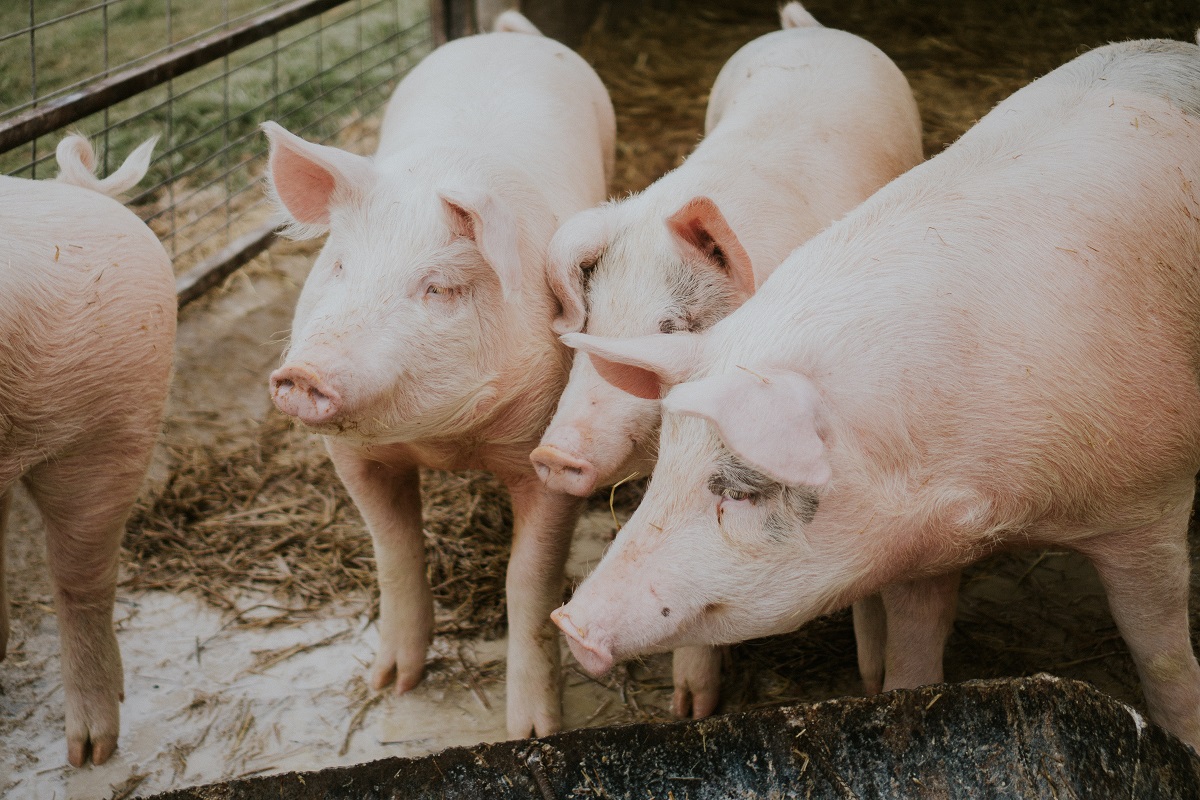
Infected pigs experience high fever, depression, loss of appetite, redness of ears, abdomen, and legs, vomiting, and diarrhea which may lead to their death, it added. (File Photo: Amber Kipp/Unsplash)
Health Secretary Francisco Duque III on Monday, September 9, told the public that there is nothing to be afraid of when eating pork as African Swine Fever (ASF) won’t be a threat to their health.
“We want to allay the fears of the public by saying that, as long as pork is bought from reliable sources and it is cooked thoroughly, pork is safe to eat,” Duque said.
The Health chief issued this statement after the Department of Agriculture (DA) confirmed that the ASF has reached the Philippines, causing deaths of pigs in some parts of the country.
Agriculture chief William Dar said in a press briefing that out of the 20 pig’s blood samples sent to the United Kingdom (UK), 14 of those tested positive for the disease. Those areas affected by ASF are Rodriguez and Antipolo in Rizal, and Guguinto, Bulacan but Dar said some 7,416 pigs within the one-kilometer radius of the affected areas have already been culled.
According to the World Organisation for Animal Health, ASF is a severe viral disease affecting domestic and wild pigs and that there is still no approved vaccine or treatment for it.
The Health Department said the ASF, commonly introduced into a herd, spread between pigs through direct contact with an infected one, or ingestion of contaminated material like food waste, feed, or garbage. The disease can also be transmitted by contaminated fomites or ticks.
Infected pigs experience high fever, depression, loss of appetite, redness of ears, abdomen, and legs, vomiting, and diarrhea which may lead to their death, it added.
The DOH advised hog raisers not to feed their pigs with raw or undercooked products, monitor their hogs for any sign of illness, isolate the ill ones, and contact the veterinarian immediately for medical intervention.
Although ASF does not pose any risk on human health, the DOH still advised the pig handlers to wash their hands once they get home from a farm or market, and clean their shoes and tires of their vehicles used in the pig farm.
The public, meanwhile, were urged to support measures being implemented by the DA and coordinate with concerned agencies in monitoring and responding to health events.
The country’s hog industry, which provides and sustains the livelihood of millions of Filipino families, is worth P260-billion, according to the DA.




















