
Lifestyle
World Autism Day let’s allow disability to change our societies for the better

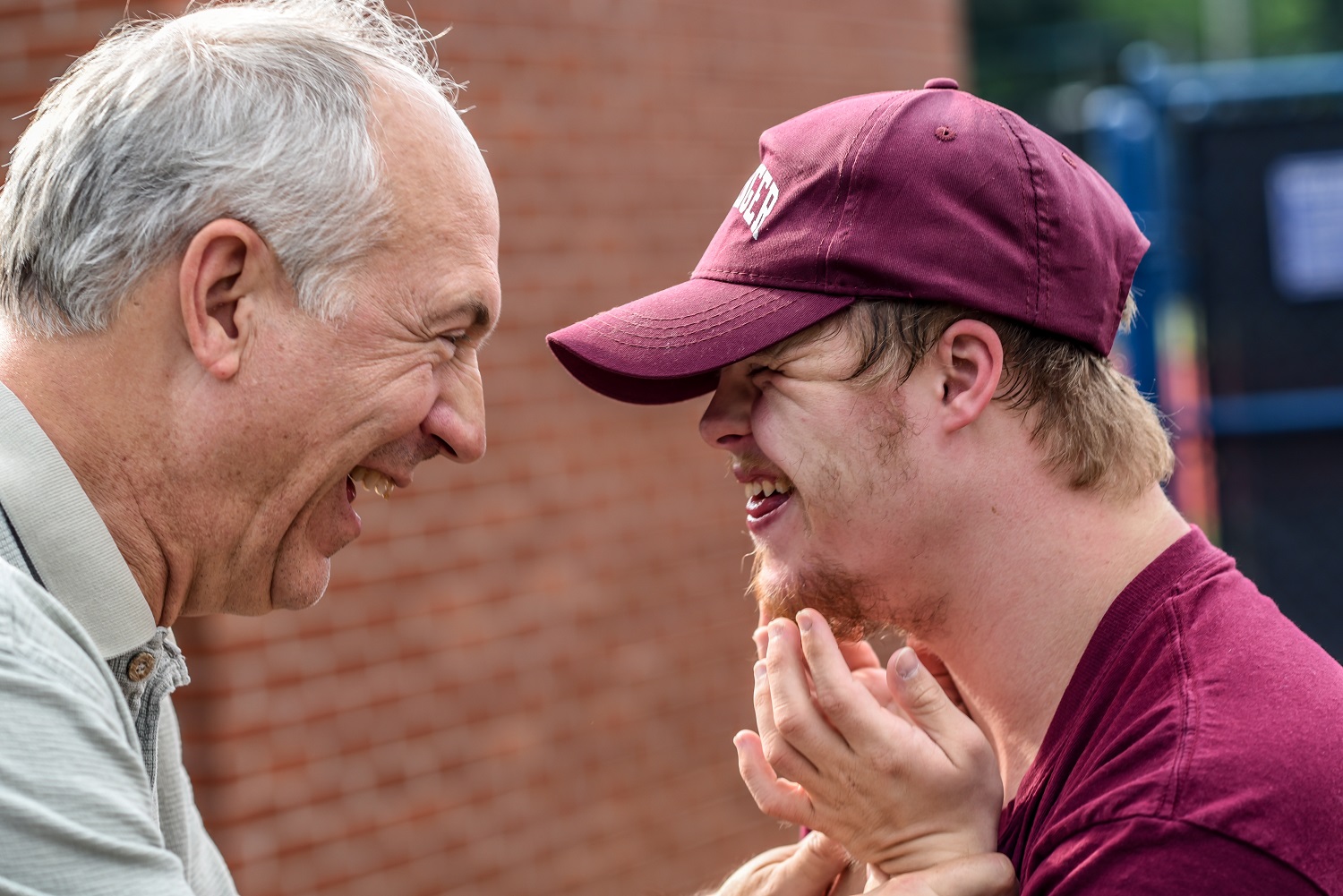
I don’t think it’s an over-generalization to say that most people see autism this way, as well as disability in general. (Unsplash Photo By Nathan Anderson)
By now, it seems, almost everyone knows a child with autism, has a relative with autism or has seen someone on television like Big Bang Theory who they think have autism.
But many are still confused about autism even though this term became widely used in the 1940s.
Some wonder if vaccines cause it. Can parents make it happen? No and no! Others question whether we as a society can fix autism. But do we want to? Should we want to?
As an associate professor, teacher and behavioural analyst steeped in the field of special education and inclusive education, I am often looking at disability through the lens of what is aptly termed the medical model.
The medical model, focused on individual treatment and outcomes, tends to see disability as a single person’s problem —as an individual impairment.
I don’t think it’s an over-generalization to say that most people see autism this way, as well as disability in general.
In language about disability, a vocabulary has evolved that often suggests something is missing: think attention-deficit hyperactivity disorder.
I must admit we often teach about disability in a similar way: as something in someone that is lacking.
Yet often when people first begin living with disability, disability is foremost a change — a change in lifestyle and a change in expectations.
The truth, perhaps shocking to contemplate, is that disability can happen at any time, to anyone. The way you are now, or the way I am now, is a precarious and ever-changing reality.
Beyond being a researcher about autism, I’m also the parent of an adult child with autism. Autism is a near-and-dear reality to my work life, my personal life and my family life.
When we make disability the “other,” seeing those who have it as “the other people” —those who are not like us, those who are not “good enough” —we need to remember that there is no immunity against disability.
This journey of life that is full of unexpected twists and turns can result in disability for you or those you love.
The social model of disability
Let’s understand more about the social model of disability, where we realize that disability — including autism — is framed by societal barriers and is a societal responsibility.
After all, disability can appear from illness, from accidents, and even from living a long life. Disability is not always like autism — there from the beginning and persisting throughout the lifespan.
While one in 10 youth in Canada have disabilities, this number increases to 37 per cent in Canada’s seniors.
We tend to find it so odd when a young child needs to use a walker to get around or if a teenager needs to use oxygen every day. Yet it seems unsurprising when our elderly citizens use exactly the same assistive devices. Illness, disability, and age all intersect and can look very much the same.
Maybe it’s time to find disability unsurprising, so we don’t apologize and sympathize when autism is introduced into the conversation — or the lives around us.
Maybe it’s time to stop excluding and segregating our students with autism and, instead, smooth the pathways to post-secondary success or supportive employment.
Rights and freedoms
In Canada, we worry about the rising numbers of autism: one in every 66 children and youth in Canada is now diagnosed with autism.
We are concerned about painting a national picture of autism, about finding the right funding model, about using evidence-based interventions and about how stereotypes and stigma shape people’s views on autism.
But here’s what we really need: to keep advocating for services specific to autism all across Canada, to provide accessible supports to our northern and rural areas, to provide funding that is consistent and accessible. Our society should provide choice, advocacy, support, rights and freedoms.
If we look at autism internationally and comparatively, we may also see further complexities, such as mothers being obligated to attend school so that their children with autism can be allowed to attend.
This is why we need a World Autism Day. We need go far beyond a conversation about autism to take action.
And besides this, we need to start celebrating the unique views autism brings.
Wouldn’t our global societies be kinder and better if we considered what we learn from autism each day of the year? Then World Autism Day wouldn’t be necessary. Autism would simply be part of the everyday, as it should be.
Autism has changed. The diagnosis has changed. But have we? I have an idea — let’s let autism change us.
———
This article is republished from The Conversation under a Creative Commons license. Disclosure information is available on the original site. Read the original article:
https://theconversation.com/world-autism-day-lets-allow-disability-t




















