
Lifestyle
To help students overcome setbacks, they need to develop ‘academic buoyancy’

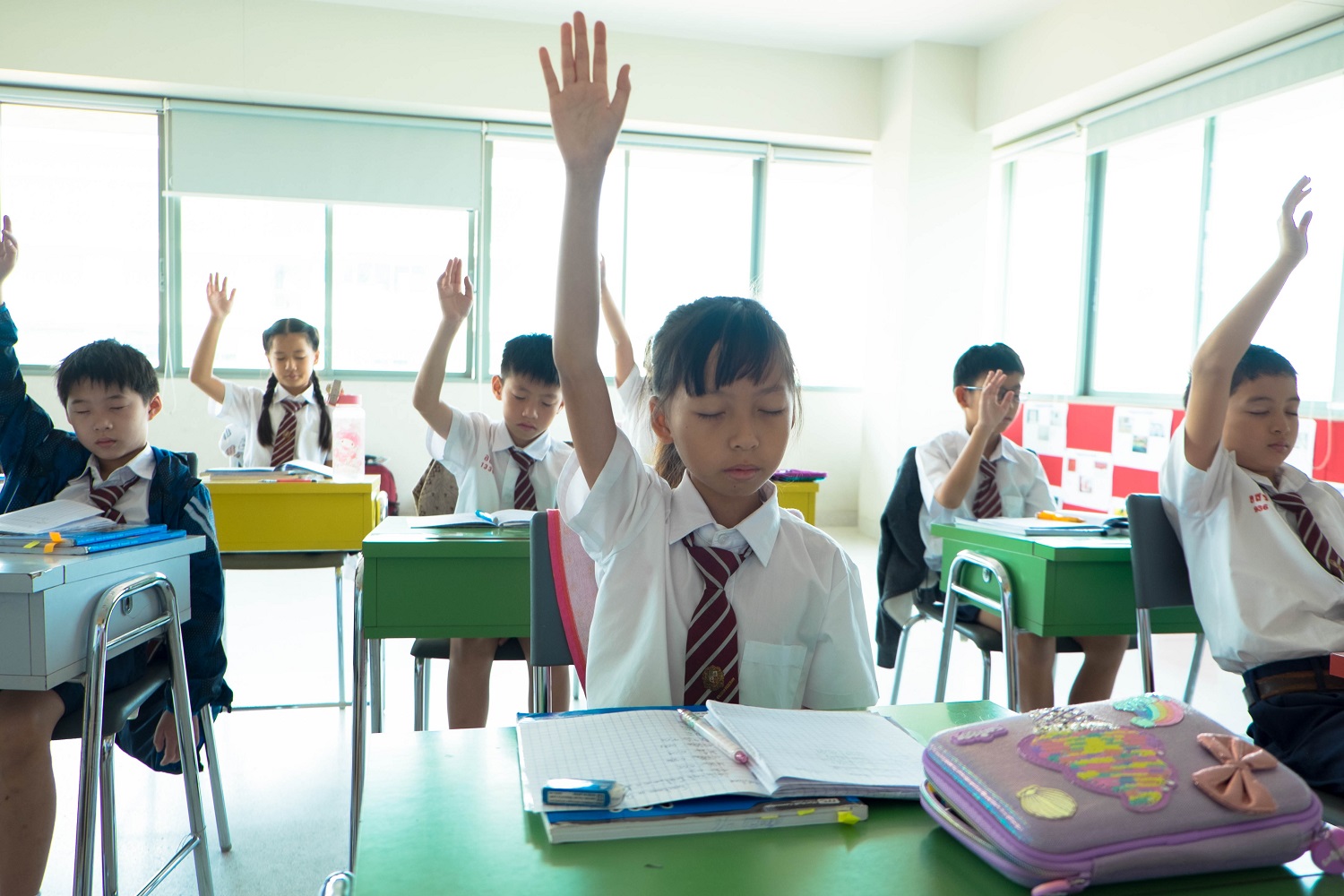
Academic buoyancy is the ability of students to rebound from daily setbacks that are a normal part of schooling, such as a poor grade on a test, negative feedback from a teacher or being cut from a sports team. (Unsplash Photo By Michael Prewett)
Teachers, parents, and academics have become increasingly concerned about the increase of mental health distress in students. Many schools have begun to address this issue by focusing on building student resilience.
Academic resilience is a person’s ability to respond effectively to long-term academic challenges, such as chronic underachievement. Australian psychologists Andrew Martin and Herbert Marsh proposed that building students’ academic buoyancy is one way to help promote long term resilience.
Academic buoyancy is the ability of students to rebound from daily setbacks that are a normal part of schooling, such as a poor grade on a test, negative feedback from a teacher or being cut from a sports team.
Over my 19-year teaching career, I have worked with many buoyant — and many “drowning” — students. I noticed that certain students bounced back from daily challenges better than others. This observation led me to research resilience for both my graduate education degrees.
Buoyant children and youth recognise that the daily setbacks associated with school are temporary and non-threatening. A failing grade does not endanger long-term success and even final year end tests can be re-done. Critical feedback in school is a necessary part of learning, not the end of the world.
Academic buoyancy has been linked to another psychological construct — workplace buoyancy. Students who are able to rebound effectively from daily school-based challenges are also better equipped to face workplace challenges.
Regardless of the profession, employees and employers face uncertainty and stressful situations they need to deal with effectively each day.
Buoyant adults are persistent, feel control over their professional growth and are confident in their ability to execute their daily tasks. They effectively plan ahead to meet deadlines. Adults who are effective members of the workforce have practised these skills during their school years.
What can educators and parents do to help children deal with daily setbacks in school and navigate everyday stress?
Sail through life with the ‘five Cs’
Academic buoyancy can be built by addressing all of the “five Cs:” composure, confidence, commitment, control and coordination.
- Composure
Anxiety can strip students of the calm, confident mindset that they need to successfully meet daily academic challenges. Children experiencing anxiety become very focused on their belief that they are in danger, and rather than listening to instruction or reviewing skills, they are constantly looking for evidence their fear is justified.
Research into academic buoyancy has revealed that more buoyant students are generally less anxious.
- Confidence
Confidence is a student’s belief in their own competence in a subject area.
For example, if a student believes that mathematics is their strength, then they will see a low math score on a quiz as a temporary problem that can be fixed through review. If they see themselves as incompetent in math, they may see a low score as a reflection of their inability instead of as a prompt to practise more.
Endless rote practice of skills or memorization of basic facts is less effective for building student confidence than having a positive relationship with a teacher who has set high expectations for achievement or who provides students with a realistic sense of their capabilities.
- Commitment
Commitment relates to a child’s persistence to complete a task.
Buoyant children and youth understand that successful learning requires time and effort. They also understand that a failure in the present does not predict failure in the future, so they welcome feedback from expert educators on how they can improve.
Playing board games can help children by both developing skills and persistence. If the intent is to improve reading and writing, playing word games (such as Scrabble, Bananagrams and Quiddler) with an adult can help students with both spelling and remembering words.
- Control
Children and youth need to believe that they can achieve better outcomes in the future, and that they have the ability to overcome daily challenges. Because their future learning is under their own control, a low grade or critical feedback does not impact their ability to improve their overall achievement.
Children and youth who feel control over their ability to learn recognise that having a low grade can be remedied through changing their approach to studying or meeting with their teacher to gain deeper understanding into the course concepts.
Those students who feel that they lack control might not take the necessary steps to improve their grades because they attribute their failure to an external force. Rather than seeking ways to improve their understanding of a topic, they might blame their parents, the teacher or the educational system for their failure to thrive.
- Co-ordination
Buoyant children and youth have learned strategies to manage their time and plan ahead to complete school assignments or tests. Learning to break down larger or difficult assignments into smaller tasks, with daily deadlines for completion, is a key life skill.
Educators and parents can role model co-ordination skills by teaching backward design planning.
I have embraced this instructional design while teaching in my own university classes, after learning through experience that students can be fantastic procrastinators who wait until days before a deadline to start major assignments.
To help my students create stronger submissions, I now create assignments with progressive deadlines that eventually lead up to the final due date. This kind of assessment aims to to boost students’ self-regulation.
For example, if I have assigned an essay, then I will create deadlines for brainstorming, research, outlining, rough draft, feedback and then the final copy for grading. As a result of deliberately breaking down each aspect of the writing process for the students, I have found the quality of writing my students produce is significantly better.
Tugboat parents and educators
In a time of helicopter, snowplow and bulldozer relationships
between children and adults, perhaps tugboat parenting can be the next trend. The sturdy tugboat guides, nudges and — only when necessary — pulls the ship to shore.
Daily stress exists for students. By building buoyancy, children and youth can ride the turbulent waves instead of being crushed.
———
This article is republished from The Conversation under a Creative Commons license. Disclosure information is available on the original site. Read the original article:
https://theconversation.com/to-help-students-overcome-setbacks-they-




















