Canada News
Canadian military seeks to reassure allies as legalized marijuana draws near

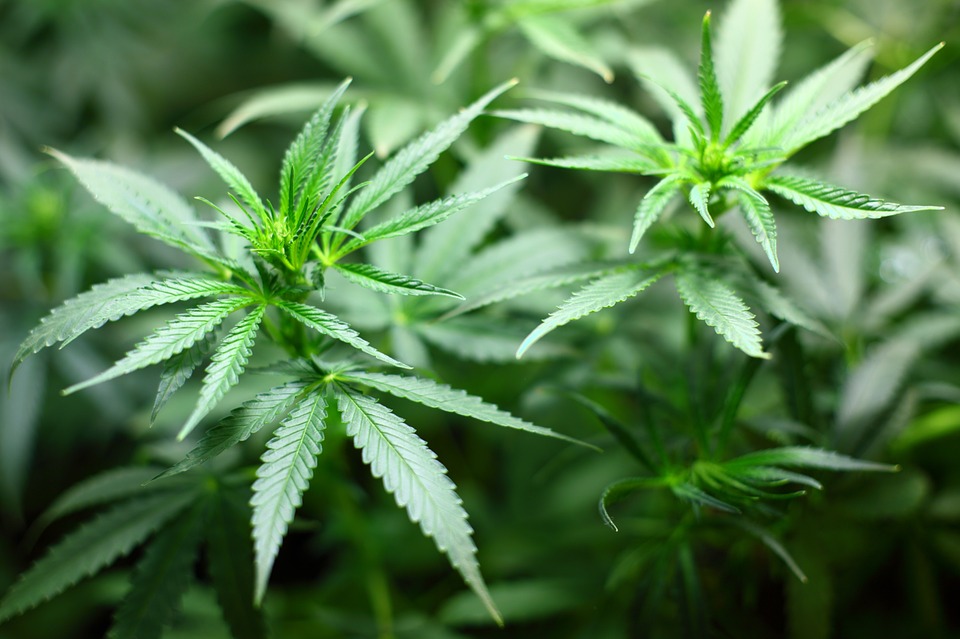
One did question why the Forces didn’t ban marijuana entirely, to which Lamarre explained the military was required to balance service members’ rights as citizens with the safety and security of people, equipment and missions. (Pixabay photo)
OTTAWA — The Canadian Armed Forces has sought to reassure allies about the pending legalization of marijuana amid questions in other capitals about the potential impact on future military operations.
The outreach follows last week’s release of a new military policy that limits cannabis use to within Canada and imposes various time limits and other restrictions depending on a service member’s current job and responsibilities.
The military’s chief of personnel, Lt.-Gen. Charles Lamarre, said allies in particular watched with extreme curiosity as Canada and the Forces have marched toward legalization on Oct. 17.
The real question for many, he told The Canadian Press following a panel discussion hosted by the Canadian Defence Associations Institute: “How is it going to affect you operationally?”
To that end, Lamarre said he has laid out the Forces’ new policy to counterparts from the so-called Five Eyes — the U.S., Britain, Australia and New Zealand, who represent Canada’s closest military and security partners.
One did question why the Forces didn’t ban marijuana entirely, to which Lamarre explained the military was required to balance service members’ rights as citizens with the safety and security of people, equipment and missions.
Otherwise, he said, they appeared satisfied the policy would ensure Canadian military operations, many of which are conducted alongside allied troops, would not be affected by the legalization of marijuana.
“They can see the operational impact is nil, if you will,” Lamarre said. “We have had absolutely no negative comments come back on this thing.”
That doesn’t mean there won’t be debate and even resistance to the idea of service members using marijuana, including within the Canadian military itself.
“We’re ready from a policy perspective,” said Kevin West, who helped craft the new marijuana policy, during Tuesday’s panel discussion.
“But from a leadership and cultural context, the Canadian Forces isn’t ready.”
The challenge won’t be from the top brass as they largely understand the need to align the military’s policies with the significant societal shift currently underway, West added, but rather from mid-level commanders.
There was visible resistance to the idea of troops consuming marijuana during the year-long effort to devise the new policy, particularly from older service members who had grown up with a different view of the drug.
“I travelled around the Forces for 200 days a year, and when we had these conversations, there were mental barriers being put up with people saying, ‘I don’t care if it becomes the law, my troops aren’t going to use it,”‘ said West, who recently retired as the military’s top non-commissioned officer.
“What we need to have is informed opinions versus personal opinions.”
Set to take effect on Oct. 17, the same day recreational marijuana becomes legal nationally, the policy represents the first of its kind in the federal government, though the RCMP is finalizing its own version.
The new rules will apply to all 100,000 uniformed members of the Canadian Armed Forces as well as the roughly 25,000 civilians currently employed by the Department of National Defence.
The new policy isn’t set in stone: not only can commanders ask for more restrictions based on individual unit needs, but Lamarre said there is an automatic 12-month review included to ensure the policy meets the military’s needs.
The new restrictions are more stringent than those governing the use of alcohol and include a blanket requirement that all military personnel abstain from using marijuana at least eight hours before going on duty.
There is also a complete ban on marijuana use by personnel deployed on overseas missions or training, as well as on military aircraft and ships.
There is also a 24-hour restriction on service members who plan to handle or maintain a weapon, ammunition or vehicle, and a 28-day restriction on the military personnel about to serve on submarines and aircraft, or who plan to operate a drone.
Those who break the rules or are otherwise suspected of “misusing cannabis” can face a variety of disciplinary actions as well as charges.
Service members who suspect a colleague of such misuse are required to report the matter.