Canada News
Federal government seeking to settle suits from ’60s Scoop ‘dark chapter’

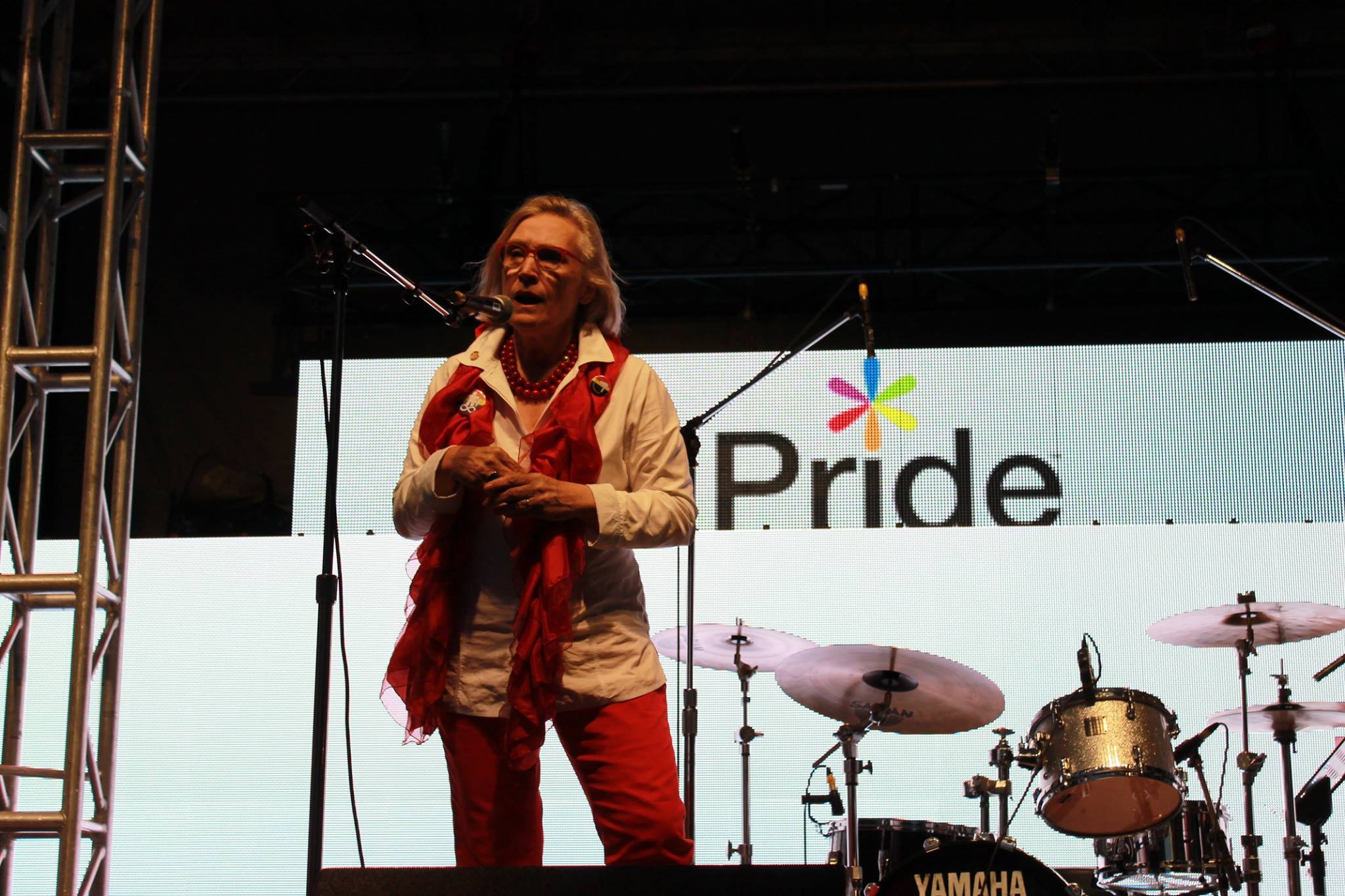
(Photo: Carolyn Bennett/ Facebook) ” width=”2048″ height=”1365″ />
The change, which comes after years of litigation and as a judge gets set to rule on a $1.3-billion class action in Ontario, aims to resolve a “dark and painful chapter” in Canada’s history, Indigenous Affairs Minister Carolyn Bennett (Pictured) told the House of Commons. (Photo: Carolyn Bennett/ Facebook)In a major shift in tactics, the federal government said Wednesday that it wants to negotiate claims resulting from the so-called ’60s Scoop in which thousands of aboriginal children were taken from their families and placed in non-native homes.
The change, which comes after years of litigation and as a judge gets set to rule on a $1.3-billion class action in Ontario, aims to resolve a “dark and painful chapter” in Canada’s history, Indigenous Affairs Minister Carolyn Bennett told the House of Commons.
“I am very proud to say that we are adversaries no more and that negotiation rather than litigation is our government’s preferred route to settle these differences and right historical wrongs,” Bennett said. “Resolving these cases is an important step in our journey of reconciliation with indigenous peoples.”
Bennett’s statement, which was short on details or time frames, comes after a last-minute cancellation of a hearing the judge in the Ontario case had requested for Thursday.
Two former aboriginal leaders were expected to tell the court about the advice they would have given the government –had they been asked –on helping on-reserve children retain their cultural identities after placement in non-indigenous homes.
Instead, government lawyers this week informed Superior Court Justice Edward Belobaba that they now had no plans to cross-examine the aging elders or any further evidence to tender, documents show.
In response, Belobaba scrapped the hearing and instead asked for brief written submissions to be filed before the weekend. He also said he expected to announce a date for his ruling next week.
“To the extent the public is led to believe that the Liberal government is embracing First Nations towards reconciliation, the life of this case suggests the contrary,” Jeffery Wilson, the plaintiffs’ lawyer, said Wednesday.
The Ontario action filed in 2009 alleges about 16,000 at-risk indigenous children in Ontario suffered a devastating loss of identity when they were placed in non-aboriginal homes from 1965 to 1984 under terms of a federal-provincial agreement.
The plaintiffs maintain the government violated the agreement by failing to consult with the various Indian bands about the child-welfare program –an assertion Belobaba appeared to have accepted.
The government does admit the children may have suffered harm but insists it is not liable because it had no “duty of care” toward them, and that it was acting with good intentions within the prevailing norms of the day.
Two separate suits that focus on the apprehension of the aboriginal children in British Columbia and Manitoba have yet to be certified as class actions.
The Ontario plaintiff want Belobaba to find in their favour without further ado, while Ottawa wants him to toss the action. If he sides with the plaintiffs, the next step would be to determine what damages they deserve.
At a hearing in December in which the government argued it had no legal obligation toward the children, Belobaba ordered Thursday’s now cancelled mini-hearing on the narrow question of what bands might have told Ottawa.
Wilmer Nadjiwon, 95, was chief of Chippewas Nawash Nation for 14 years starting in 1964, had planned to testify.
“What we would have done is tell the federal minister of Indian affairs that this is not the way to respect our people, not the way to preserve our identity and honour our special relationship with the Crown,” Nadjiwon says in an affidavit.
“And if our children are forced to leave, we need to know they will return to the reserve because they have family here who love them … that they have a special place in our community … but we did not have the opportunity to say these things.”
The plaintiffs received some high-profile support from philosopher-author and activist John Ralston Saul this week. In a statement obtained by The Canadian Press, Saul decried what he called the government’s “cynical” argument that it could not have foreseen the cultural confusion the children suffered.
“The very idea that the Crown would argue a lack of foresight is itself a form of evil,” Saul says.
“Given the history of residential schools and children forcibly being taken from their families, it is simply inconceivable that officers of the Crown could claim in court that they could not imagine the outcome.”