
Headline
Space squeezed border agency pondered putting immigrants in federal prisons

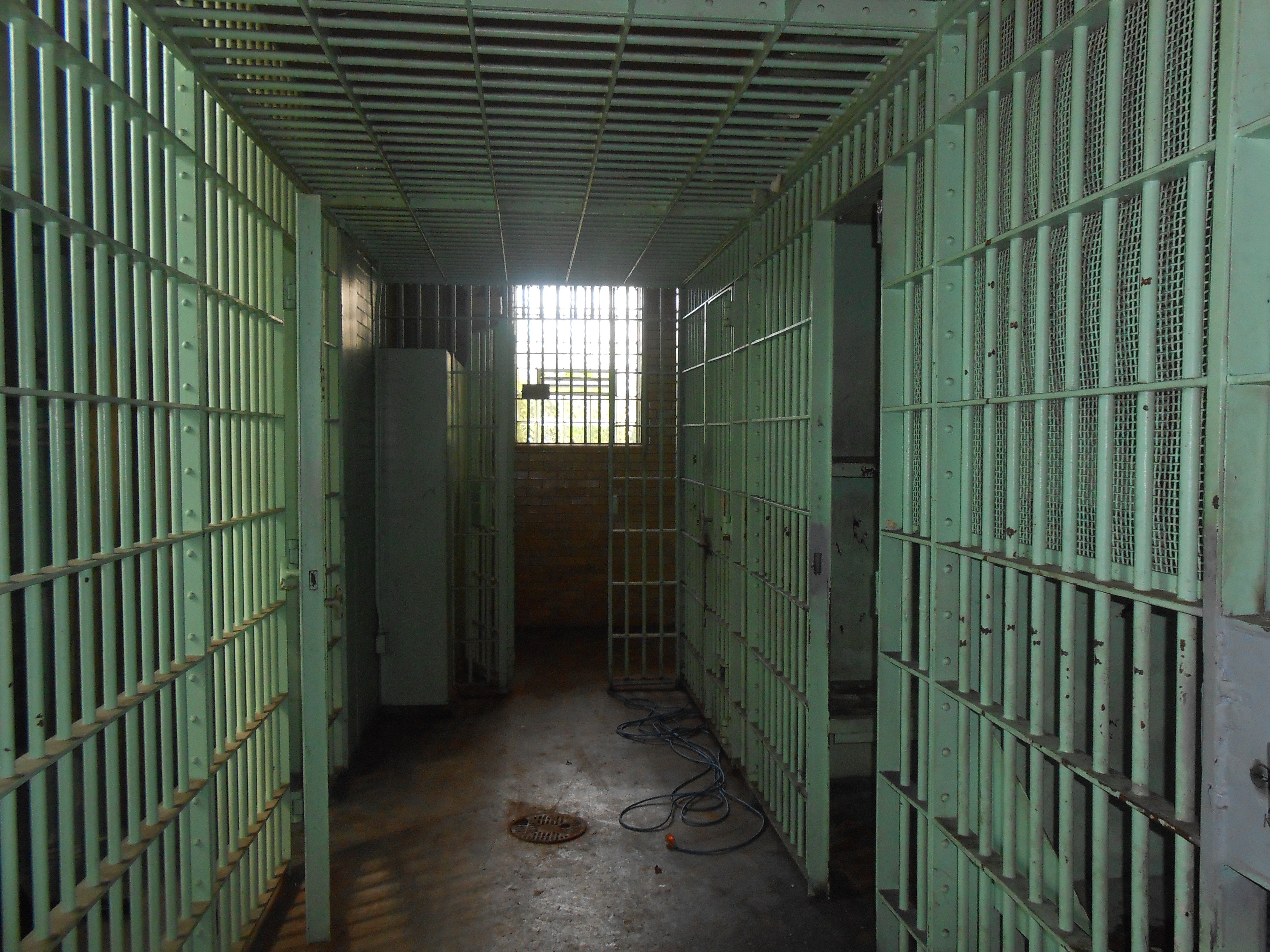
OTTAWA—Canada’s border agency pursued the idea of putting immigrant detainees in federal prison despite concerns about locking up newcomers with violent offenders.
Canada Border Services Agency president Luc Portelance raised the possibility with the federal Correctional Service because the border agency feared running out of space to hold people, newly disclosed documents show.
The proposal provides an inside glimpse of a federal organization straining to find accommodation for the immigrants it puts behind bars as the government was bolstering its powers to detain more newcomers.
In a letter to Correctional Service commissioner Don Head, Portelance noted the border agency was assessing options for “increasing its capacity” and wanted to explore the prison service’s “expertise and facilities to hold immigration detainees.”
The border agency holds people who are considered a flight risk or a danger to the public, and those whose identities cannot be confirmed.
It has also become easier to detain newcomers.
Federal changes to the Immigration and Refugee Protection Act allow officials to hold people 16 or older who enter Canada as part of an “irregular arrival”—a group whose origins are unclear or a case where criminal human smuggling is suspected.
An internal border agency background memo notes the organization has three immigration holding centres across Canada, but relies on provincial jails in other locations to house higher-risk detainees.
“In some cases, the provinces have indicated their intention to cease holding detainees in the long term or limit how many individuals can be held within their facilities,” the memo says.
It adds that the federal government’s “current legislative agenda concerning immigration matters and the potential for an increase in the daily detained population” make discussions with the prison service necessary.
The documents, prepared in early 2012, were recently released under the Access to Information Act.
Neither the border agency nor the prison service would make anyone available for an interview.
However, in emailed answers to questions, the agencies confirmed that discussions about use of federal prisons took place.
The border agency did an internal review of options for the detention program that was presented to the organization’s executive for approval early this year, said agency spokeswoman Line Guibert-Wolff.
“As a result of this process, in February 2014, the CBSA decided that federal correctional facilities would not be used to hold immigration detainees.”
Guibert-Wolff refused to say why the decision was taken.
The Canadian Red Cross Society, which monitors conditions for immigrants held by the border agency, warned as early as its 2008-09 report about the problems involved with keeping newcomers locked up alongside violent offenders.
The practice can be “extremely stressful” for some newcomers, the society’s report for 2012-13 says, especially for refugee claimants who have experienced armed conflict, torture or other traumatic experiences.
The border agency is examining increased use of alternatives to detention, including electronic ankle bracelets and special telephone reporting systems to keep track of immigrants it considers a risk.
Still, the government is moving towards reliance on detaining immigrants as an everyday measure as opposed to “something that would be used as a last resort,” said Stephanie Silverman, a research associate on detention and asylum with a network that brings together scholars and policy-makers.
“You’re beginning this move that almost normalizes detention into the fabric of immigration control,” Silverman said.
“We should be talking about detention itself as the alternative to the norm, which should be release—which is how it was for many years.”




















