
Canada News
Lorne Doerkson prioritizes affordability, health care and fiscal discipline in new B.C. government agenda

ASM, Philippine Canadian Inquirer
November 27, 2026
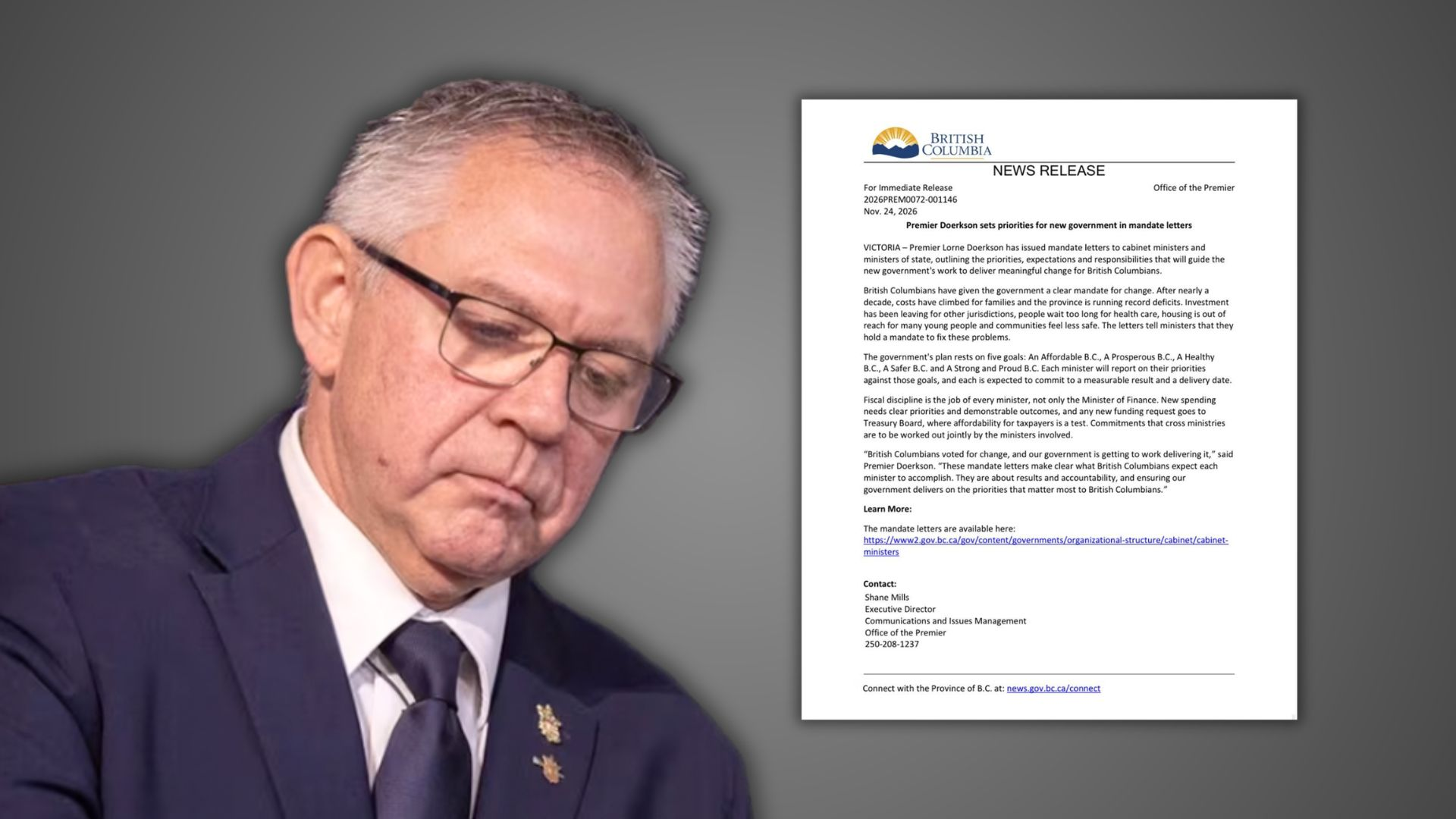
Photo courtesy: Multiple Sources
VICTORIA, British Columbia – Reducing household costs, improving access to health care and tightening government spending are among the key priorities outlined by British Columbia Premier Lorne Doerkson as his newly appointed cabinet begins its term.
Doerkson issued mandate letters to cabinet ministers and ministers of state on November 24, directing them to establish measurable targets and timelines for delivering the government’s commitments.
The directives were released four days after the new Conservative cabinet was sworn into office.
Under the new framework, ministers must evaluate spending within their respective departments, identify unnecessary duplication and demonstrate the expected benefits of proposed expenditures.
Additional funding requests will undergo Treasury Board assessment, with particular consideration given to affordability for taxpayers. Ministers responsible for overlapping policy areas will also be required to coordinate their work.
Five priorities for British Columbia
The administration has organized its policy agenda around five principal goals:
- Affordability
Reducing living expenses, providing tax relief, improving housing affordability and managing provincial finances. - Economic growth
Attracting investment, generating employment, expanding trade and developing natural resources. - Health care
Maintaining universal health coverage while improving access to medical services, treatment and recovery programs. - Public safety
Strengthening law enforcement, supporting victims of crime and improving emergency preparedness. - Community development
Strengthening education and family support, protecting the environment and advancing reconciliation and economic partnerships with First Nations.
Proposed changes to taxes, housing and health care
Finance Minister Peter Milobar has been directed to establish an independent panel to review provincial finances and develop a plan for returning to a balanced budget over time.
The finance mandate also calls for increasing British Columbia’s basic personal income tax amount from $13,216 to $32,000 for the 2027 tax year.
Health Minister Ryan Peterson has been tasked with developing a health-care guarantee that would provide access to alternative qualified medical providers when recommended waiting periods are exceeded.
His responsibilities also include establishing a proposed $50-million Rural Health Emergency Fund to help prevent disruptions to emergency and maternity services.
Housing priorities include accelerating development approvals and giving municipal governments greater authority over where and what types of housing can be built.
Opposition questions government’s priorities
Following the cabinet’s first official meeting on November 25, opposition NDP Leader Jennifer Whiteside raised concerns about the government’s immediate actions, questioning whether they adequately addressed residents’ concerns over health care, housing and affordability.
BC Federation of Labour president Sussanne Skidmore also expressed concern that proposed changes to government operations could lead to job losses and reductions in public services.
Among the finance minister’s specific assignments is reducing government staffing while protecting front-line workers.
The mandate also calls for maintaining the Insurance Corporation of British Columbia (ICBC) as a public auto insurance option and preserving no-fault coverage for most claims, while providing catastrophically injured claimants access to legal representation under capped legal fees.