Canada News
B.C. company’s 30-year plan to export electricity exclusively to U.S. faces opposition

ASM, Philippine Canadian Inquirer
November 18, 2026
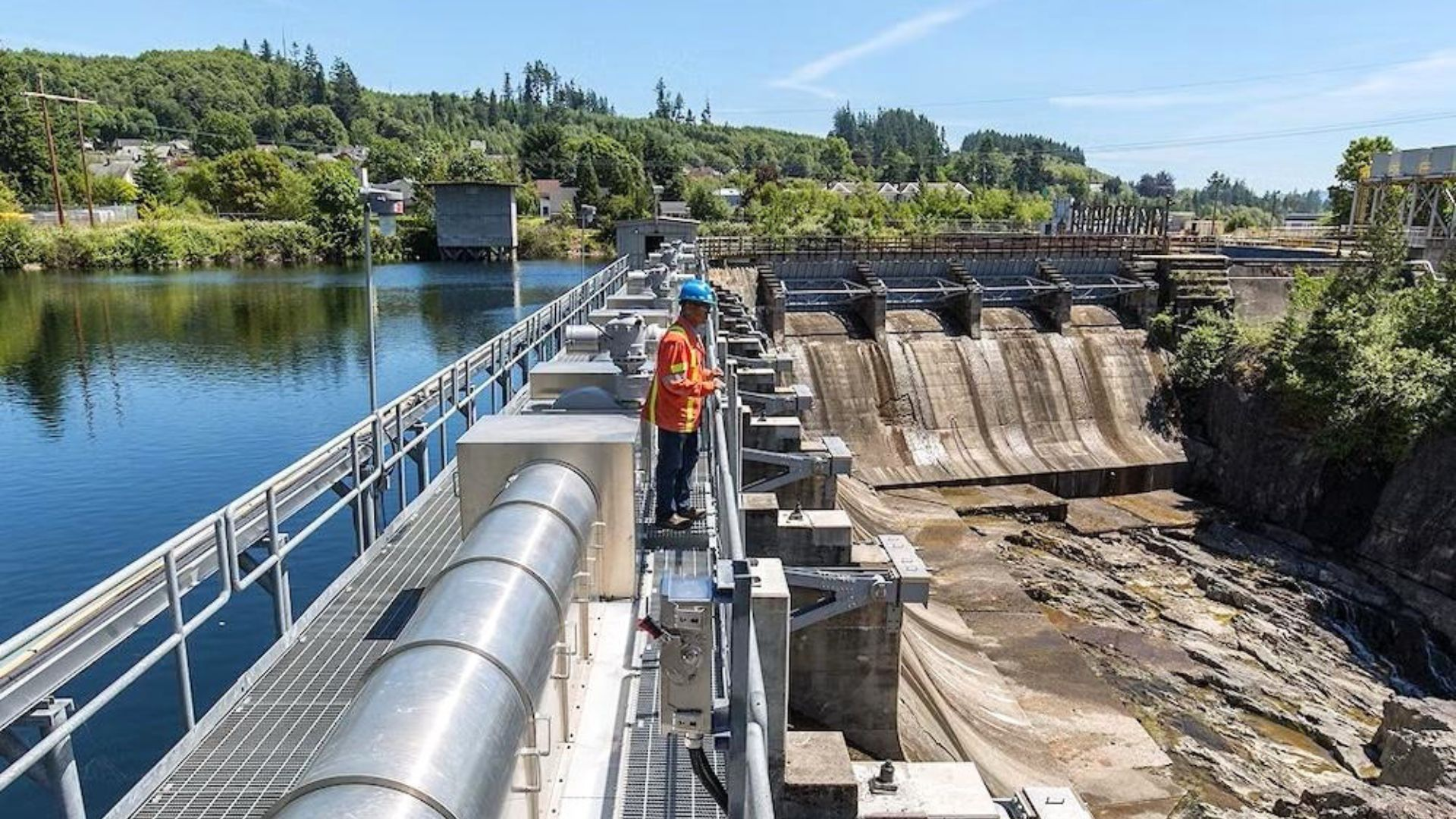
Photo courtesy: The Tyee
A Canadian energy company’s proposal to sell all the electricity generated by two hydroelectric facilities exclusively to the United States for 30 years is facing opposition from local governments, Indigenous representatives and residents concerned about the potential impact on British Columbia’s economic development.
The Canada Energy Regulator (CER) began a five-day public hearing on November 16 to examine an application from Powell River Energy Inc. (PREI), a subsidiary of Brookfield Renewable, seeking long-term authorization to export electricity from its facilities at Powell Lake and Lois Lake.
The hearing, which runs through November 20, marks the first time the regulator has recommended that an electricity export application undergo a formal licensing process rather than the usual permit review.
Why the company wants to export electricity to the U.S.
Powell River Energy operates hydroelectric facilities that historically supplied electricity to a local pulp and paper mill while exporting surplus power to the United States.
However, the mill’s closure in 2021 changed how the electricity was used. Since then, all power generated by the facilities has been exported south of the border.
The company is now seeking a 30-year, contract-specific authorization to continue exporting its electricity under an agreement with BR Pacific Hydro Power LLC, an affiliated company in the United States.
Its application, submitted on August 15, 2025, seeks permission to export up to 700,000 megawatt-hours of electricity annually.
The proposed authorization would provide a longer-term framework for the company’s existing export arrangements, rather than introduce electricity exports from the facilities for the first time.
Steve Eckert, a vice-president at Brookfield, told the hearing that the proposed export licence would support continued investment in the facilities, including financing, maintenance and upgrades.
The company argues that its operations contribute to the regional economy by providing employment, purchasing goods and services from local contractors, supporting community initiatives and paying taxes and government fees.
Its position is that securing long-term export authorization would help sustain those contributions while supporting the facilities’ continued operation.
Residents question why locally generated power should go abroad
Opponents argue that committing the electricity to the American market for three decades could limit opportunities to attract new businesses and industries to Powell River.
The closure of the community’s pulp and paper mill left a gap in the local economy, prompting efforts to identify new sources of employment and investment.
Some residents and local organizations believe access to locally generated renewable electricity could help support redevelopment, including industrial projects that require substantial and reliable power supplies.
Energy Democracy For BC, a community advocacy organization, has questioned both the proposed 30-year term and the degree of local control over the electricity.
John Keller, a spokesperson for the group, said the proposal had drawn objections from First Nations, local governments, the chamber of commerce and more than 2,600 individuals.
Opponents argue that a shorter authorization would provide greater flexibility to reconsider the community’s electricity needs as new economic opportunities emerge.
The group wants the regulator to reject the application or, at minimum, limit any renewed authorization to five years.
Keller said the company’s current export authorization runs until 2031.
BC Hydro and First Nation among participants
The hearing includes several organizations with an interest in how electricity generated in the region is sold and distributed.
Among the participants are BC Hydro, the Tla’amin Nation and the City of Powell River.
Their involvement reflects concerns about the availability of electricity for Canadian customers and the potential implications of a long-term export arrangement.
Under the Canadian Energy Regulator Act, the regulator must assess whether proposed electricity exports could affect other provinces and whether Canadian purchasers have been given fair access to the electricity.
The fair market access requirement is intended to ensure that interested buyers in Canada have an opportunity to purchase electricity proposed for export under comparable terms.
The CER confirmed that submissions from BC Hydro and the Tla’amin Nation raised questions related to fair market access.
The regulator received more than 2,500 submissions during the initial public comment process, demonstrating substantial interest in the application.
Why this hearing is different
Electricity exports from Canada are regulated federally, while electricity generation facilities generally fall under provincial jurisdiction.
Most export applications are evaluated through a permit process that does not involve a public hearing.
Powell River Energy’s application followed a different path after the CER reviewed the proposal and public submissions.
The regulator recommended that the federal government designate the application for a licensing procedure, and the Governor in Council issued that direction on February 26, 2026.
The decision opened the way for a more extensive review, including participation by affected organizations and opportunities to question evidence presented by other parties.
The regulator can approve a licence with conditions, subject to federal government approval, or reject the application.
The hearing does not itself authorize the proposed 30-year export arrangement.
Company has ties to former Carney employer
Powell River Energy is owned by Brookfield Renewable, part of the broader Brookfield investment and renewable energy business.
Prime Minister Mark Carney previously held senior positions within the Brookfield group before leaving in 2025.
The corporate connection has attracted attention as the application moves through the federal regulatory process.
However, there is no verified evidence that Carney was personally involved in the export application or that he influenced the regulator’s review.
The application was filed in August 2025, after Carney had left Brookfield. The CER is responsible for reviewing the company’s proposal under federal energy legislation.
Decision on 30-year export plan remains pending
The public hearing is being held at the Powell River Town Centre Hotel from November 16 to November 20, with company representatives and intervenors presenting evidence and arguments.
The regulator will consider the proposed export arrangement, including its implications for Canadian electricity purchasers and the potential effects on other provinces.
A final ruling has not been announced, and the CER has not specified when its decision will be issued.
The outcome will determine whether Powell River Energy can secure the requested 30-year export licence, receive authorization under different conditions or have its application denied.
The case centres on a question with significant implications for Powell River’s future: whether electricity already being exported to the United States should remain committed to that market for another three decades while the community explores opportunities for economic redevelopment.