Canada News
Calgary’s proposed budget draws criticism over higher youth sports fees, recreation funding

ASM, Philippine Canadian Inquirer
November 18, 2026
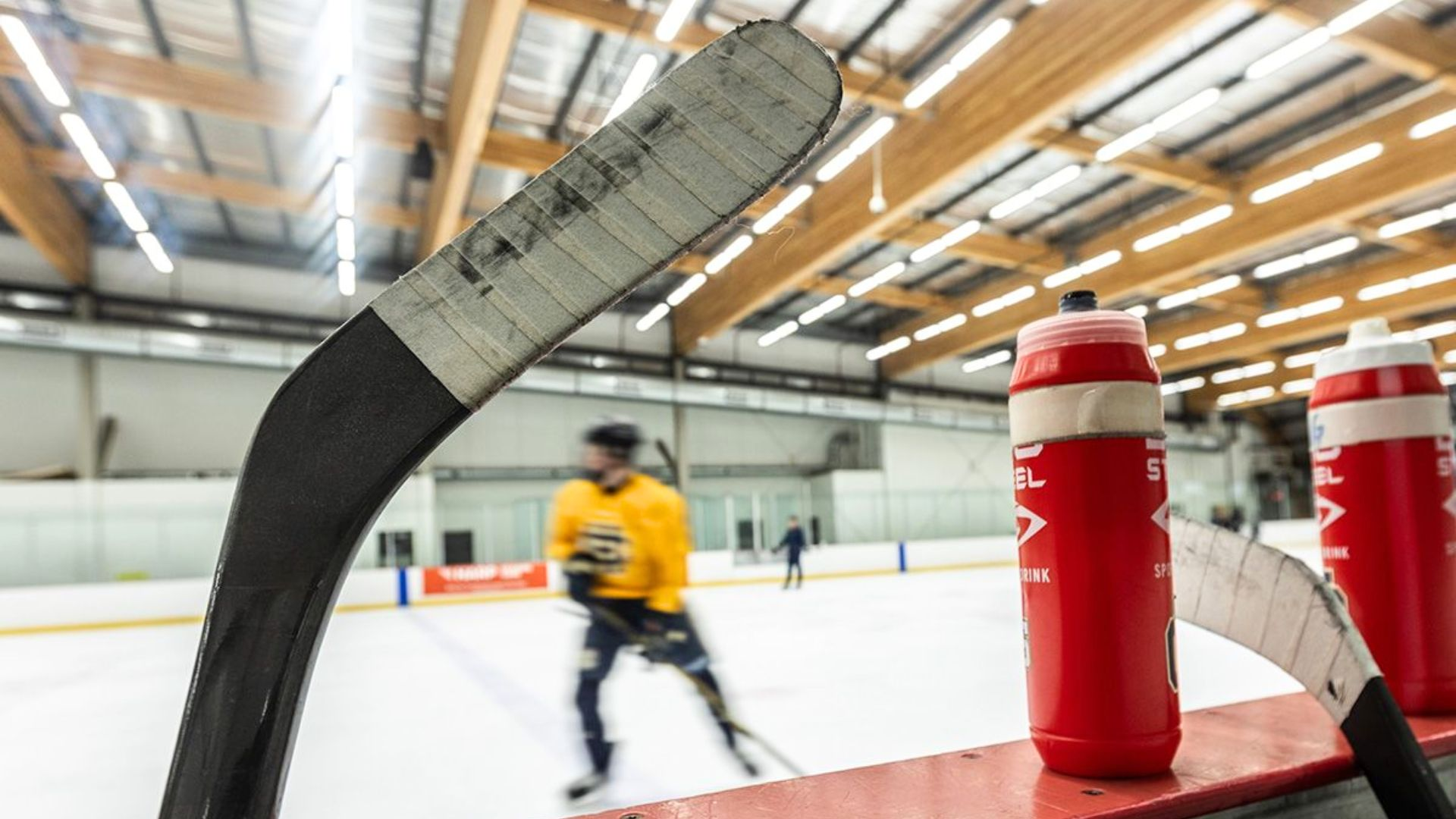
Photo courtesy: Calgary Sun
Calgary’s proposed four-year budget is facing criticism from local sports organizations over rising ice rental fees and insufficient funding for recreation facilities, with concerns that families could end up paying more for their children’s participation in sports.
The city’s proposed 2027–2030 budget includes significant increases in ice rental rates for minor sports such as hockey, figure skating and ringette. Sports organizations warn that the higher costs could make youth programs less affordable at a time when many families are already managing rising household expenses.
The concerns come ahead of city council’s budget deliberations, which are scheduled to begin with a public hearing on November 23. The spending plan was presented on November 10 and has not yet received final approval.
Ice rental fees could rise sharply in 2027
One of the biggest concerns involves proposed increases to the cost of renting city-operated ice facilities.
Under the budget, hourly ice rental rates for minor sports during prime-time periods would increase from CAD $230.30 to CAD $270.83 in 2027, a rise of approximately 17.6%.
Non-prime-time rates for minor sports would climb even more sharply, from CAD $82.30 to CAD $133.33 per hour, representing an increase of approximately 62%.
Further increases are outlined through 2030, when prime-time rates would reach CAD $287.97 per hour and non-prime-time rates would rise to CAD $141.76.
The proposed fee adjustments would affect organizations that regularly book ice time for youth hockey, figure skating and ringette programs.
Amounts in Canadian dollars. Proposed rates, not yet approved by council.
Hockey Calgary executive director Kevin Kobelka expressed concern about the increases, saying his organization had not been consulted before the proposed fees were released.
According to Kobelka, ice rentals account for approximately 65% to 70% of the cost of running youth hockey programs. As a nonprofit organization, Hockey Calgary would have limited ability to absorb the additional expenses without increasing fees for participants.
He estimated that the proposed changes could require overall program costs to rise by 15% to 20% to maintain existing operations.
The organization also questioned why some youth ice rental categories faced substantially larger increases than rates charged to other users.
Sports groups say Calgary needs more indoor facilities
Beyond rental fees, Calgary’s proposed recreation investments have drawn criticism from organizations concerned about the shortage of available sports facilities.
The budget allocates CAD $284 million toward projects under the city’s GamePLAN recreation strategy, which identifies priorities for developing and improving recreational infrastructure.
Among the planned investments are the replacement of the Forest Lawn recreation facility, the Kingsland and Belmont athletic parks, and Calgary’s contribution to the Foothills Fieldhouse.
Another CAD $66 million is earmarked for maintaining arenas, aquatic centres and the Calgary Soccer Centre.
However, the Calgary Minor Soccer Association (CMSA) argues that the plan does not adequately address the city’s need for additional indoor playing space.
CMSA executive director Carlo Bruneau criticized the absence of construction funding for the Rocky Ridge Fieldhouse and design funding for the Southland Fieldhouse.
The Rocky Ridge facility is among 17 priority projects identified in the first phase of GamePLAN. Preliminary design funding had previously been committed, while construction costs are estimated at slightly more than CAD $70 million.
Bruneau said the proposed facility could allow the association to accommodate approximately 3,000 additional children, create more than 200 soccer teams and schedule over 1,500 additional games annually.
Without additional indoor facilities, sports organizations say opportunities to expand participation will remain limited.
City defends proposed rate adjustments
Calgary officials say the proposed fee increases are intended to bring certain recreation charges closer to prevailing market rates while helping cover the cost of operating and maintaining public facilities.
According to the city, some ice rental fees have remained below comparable market prices following several years of limited increases and occasional rate freezes.
Officials explained that recreation fees are reviewed based on factors including inflation, operating expenses, facility demand and rates charged at comparable venues.
For comparison, youth prime-time ice rentals at WinSport were listed at CAD $276.36 per hour, while similar rentals at YMCA arenas cost approximately CAD $296 per hour.
The city said revenue from user fees, together with taxpayer funding, helps cover the costs of providing recreation services and maintaining facilities.
However, sports organizations argue that increasing youth fees could undermine efforts to keep recreational activities accessible to families.
Councillors divided over recreation spending
City councillors have expressed differing views about how much additional funding Calgary can afford to allocate to sports infrastructure.
Ward 10 Councillor Andre Chabot raised concerns about the city’s existing financial commitments, pointing to approximately CAD $21 billion in planned spending over four years on major priorities including water infrastructure, transportation and roads.
Chabot argued that the scale of those commitments leaves limited room for additional projects.
He had previously supported a lower annual recreation infrastructure funding commitment of up to CAD $150 million, rather than the larger commitment of up to CAD $250 million under the GamePLAN-related Making Waves initiative.
Nevertheless, Chabot questioned the proposed increases targeting youth sports, suggesting the city should consider recovering additional costs from other users instead.
Ward 3 Councillor Andrew Yule expressed a different concern, arguing that the recreation investments in the proposed budget do not go far enough to address shortages in available facilities.
Yule said the first phase of GamePLAN would address only a small portion of Calgary’s broader recreation infrastructure needs.
Budget decisions still pending
The proposed budget also includes increases of nearly 10% over four years for rentals of athletic fields and artificial-turf facilities, adding to concerns about the overall cost of organized sports.
For families, the potential impact will depend on how much of the higher facility costs sports organizations pass along through registration and participation fees.
City council will begin reviewing the budget and hearing public submissions on November 23, giving residents, community organizations and sports associations an opportunity to raise concerns before decisions are finalized.
The proposed ice rental increases and recreation funding allocations remain subject to council approval.