
Headline
PH government steps up El Niño preparations as drought, water shortages threaten communities

ASM, Philippine Canadian Inquirer
November 06, 2026
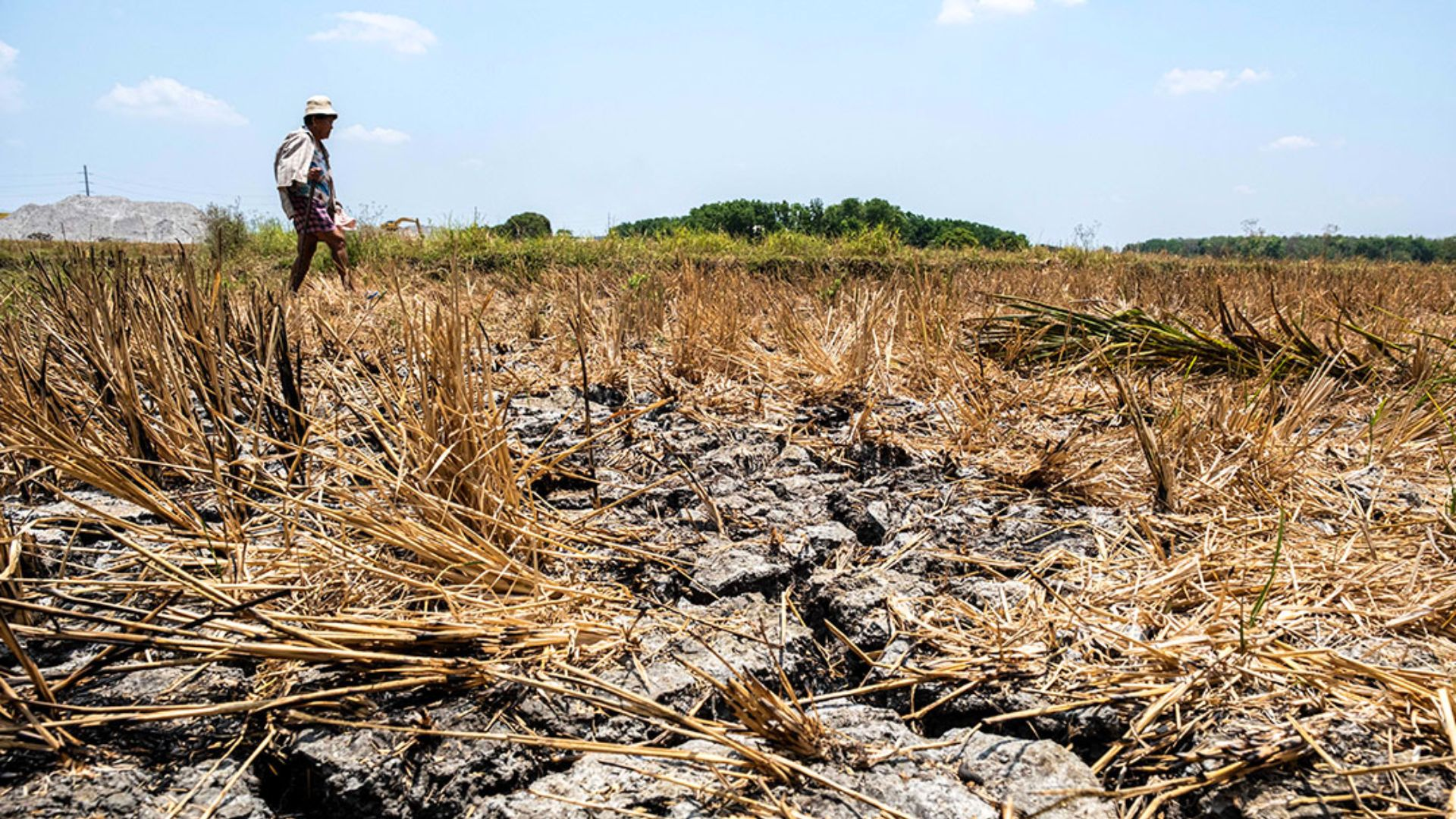
Photo courtesy: BusinessWorld
MANILA, Philippines — The Philippine government has ordered agencies and local officials to identify communities most at risk from El Niño as the country prepares for worsening dry conditions, water shortages, and extreme heat.
Executive Secretary Ralph Recto issued the directive during a meeting with government agencies and local officials on Wednesday, November 4, following instructions from President Ferdinand Marcos Jr.
In a statement released on Friday, November 6, the Office of the Executive Secretary said the government is preparing measures to protect water, food, and electricity supplies as the effects of El Niño continue into 2027.
Recto stressed that communities face different risks and need specific plans rather than a single nationwide response.
Some areas may struggle with limited water supplies, while others could face crop damage, extreme temperatures, or disruptions to electricity.
“Kaya dapat alam natin kung sino ang pinakananganganib at anong tulong ang kailangan nila,” Recto said.
He directed agencies to map vulnerable areas and identify where equipment, funding, and emergency assistance should be deployed first.
PAGASA warns of worsening dry conditions
The directive follows the latest advisory from state weather bureau PAGASA, which confirmed that a very strong El Niño is already present in the tropical Pacific.
In its November 4 advisory, PAGASA said the weather pattern could reach its peak before the end of 2026 and persist through the first half of 2027.
El Niño raises the risk of below-normal rainfall, prolonged dry spells, and drought in parts of the Philippines.
PAGASA reported that five provinces experienced meteorological drought in October. Another 11 provinces recorded dry spells, while 10 experienced dry conditions.
The weather bureau also expects below-normal to well-below-normal rainfall across much of the country in November, along with warmer-than-average temperatures.
Water supply and electricity among priorities
Pampanga and Cavite are among the provinces being monitored for possible water supply problems.
Local governments have been asked to assess their needs for water storage facilities, generators, and solar power systems.
Recto also raised the possibility of reviewing priorities under the Local Government Support Fund to help finance local preparations. No specific funding adjustment has been announced.
Meanwhile, the Metropolitan Waterworks and Sewerage System reported that Angat Dam stood at 208.70 meters on November 3, above its minimum operating level of 180 meters.
Despite the adequate water level, agencies are preparing alternative sources and strengthening conservation measures to prevent future shortages.
The Department of Energy is also working to maintain power plants, secure fuel reserves, and expand battery storage systems.
The measures aim to keep essential facilities, including hospitals, schools, and water supply systems, operating during periods of extreme heat.
Farmers and vulnerable households to receive support
The Department of Agriculture is coordinating with the National Irrigation Administration to expand solar-powered irrigation systems and protect crop production during periods of reduced rainfall.
President Marcos also directed agencies to speed up fuel subsidy distribution to farmers and fisherfolk.
The Department of Social Welfare and Development and the Department of Labor and Employment are preparing temporary jobs and other assistance for families whose livelihoods may be affected.
Health officials will help local governments identify people who face greater risks from extreme heat, including children, older adults, and residents with existing medical conditions.
The Department of Health has also offered to test alternative water sources to help ensure that communities have access to safe drinking water.
Schools are preparing measures to improve classroom ventilation and cooling, along with projects to install solar power systems.
Government agencies and local officials will coordinate these preparations based on the risks and resources identified in each community.




















