Canada News
Doerkson vows to repeal B.C.’s Indigenous rights law despite First Nations opposition

ASM, Philippine Canadian Inquirer
November 03, 2026
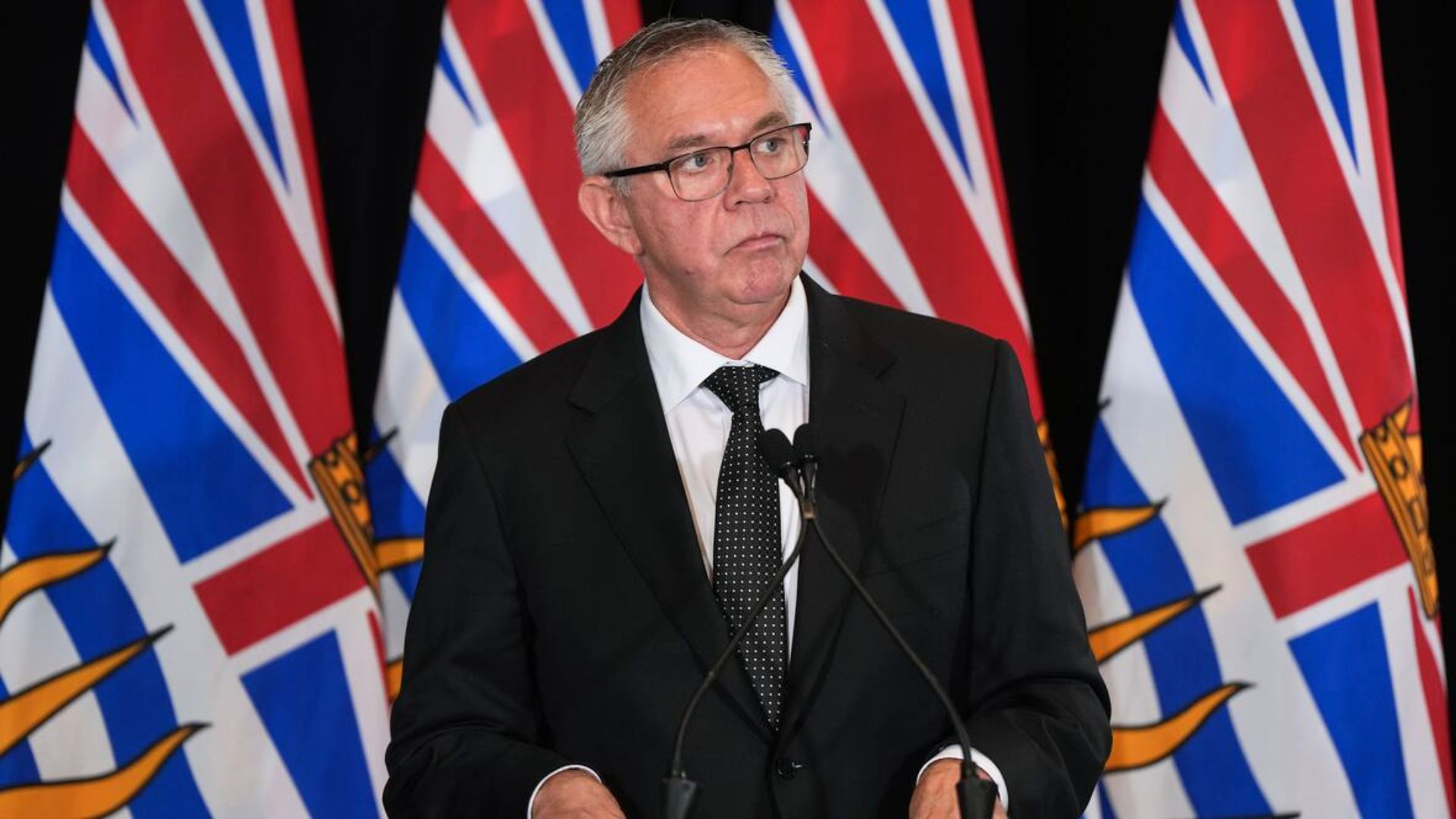
Photo courtesy: CBC News
VICTORIA, British Columbia — British Columbia premier-designate Lorne Doerkson is standing by his promise to repeal the province’s Indigenous rights legislation, drawing opposition from First Nations leaders who warn that removing the law could damage reconciliation efforts and lead to further legal disputes.
Doerkson, whose Conservative Party won a majority in the October 24 provincial election, has identified the repeal of the Declaration on the Rights of Indigenous Peoples Act (DRIPA) as a priority for his incoming government.
He argues that the legislation has failed to provide legal certainty and has contributed to disputes over land use, resource development and property rights.
Despite his criticism of the law, Doerkson has pledged to continue working with First Nations on economic development and other shared priorities.
What is DRIPA?
Passed unanimously by the B.C. legislature in November 2019, DRIPA establishes a framework for bringing provincial laws into alignment with the United Nations Declaration on the Rights of Indigenous Peoples.
The legislation requires the provincial government to work in consultation and cooperation with Indigenous peoples to align its laws with the UN declaration.
It also requires an action plan to advance the declaration’s objectives and provides a framework for agreements involving Indigenous governing bodies.
The law was introduced under the former BC NDP government as part of the province’s reconciliation efforts.
DRIPA does not replace Indigenous rights recognized and affirmed under Section 35 of Canada’s Constitution Act, 1982. Those constitutional protections exist independently of the provincial law.
Why Doerkson wants it repealed
The Conservative Party maintains that DRIPA has not delivered the certainty it was intended to provide.
During the election campaign, Doerkson pointed to ongoing legal disputes involving mining operations, land use and other development projects as reasons to repeal the legislation.
His party’s platform calls for removing DRIPA and related provisions of B.C.’s Interpretation Act while restoring what it describes as a clearer framework based on existing constitutional protections.
Doerkson has also argued that economic reconciliation should focus on direct partnerships with First Nations, including opportunities for participation in major resource projects.
Following the election, he reaffirmed his intention to proceed with repeal legislation, potentially during the spring legislative session.
However, no repeal has taken effect, and the incoming government has not announced a finalized replacement framework.
First Nations leaders warn against repeal
The proposal has drawn strong objections from the First Nations Leadership Council, which represents the political leadership of three major Indigenous organizations in British Columbia.
The council has urged the incoming Conservative government to retain DRIPA as a framework for reconciliation and respect Indigenous title and rights.
Grand Chief Stewart Phillip, president of the Union of British Columbia Indian Chiefs, has warned that repealing the law could lead to renewed conflict between First Nations and the provincial government.
Other Indigenous leaders have raised concerns that removing DRIPA could undermine progress in government-to-government relationships and lead to more court challenges involving land and resource decisions.
They argue that the province should address difficulties implementing the legislation through consultation rather than abolishing it.
Doerkson’s government will need to introduce legislation in the provincial legislature before DRIPA can be repealed.
While the Conservatives’ majority gives them the votes to pursue their legislative agenda, the process has not yet been completed.
Repealing the provincial law would not eliminate constitutionally protected Aboriginal and treaty rights. However, it would remove the specific statutory requirements and reconciliation framework established by DRIPA unless replacement measures were adopted.
The incoming government has expressed willingness to meet with First Nations leaders, but major disagreements remain over the future of the legislation.