Canada News
Bank of Canada raises interest rate to 2.5% as inflation pressures mount

ASM, Philippine Canadian Inquirer
October 30, 2026
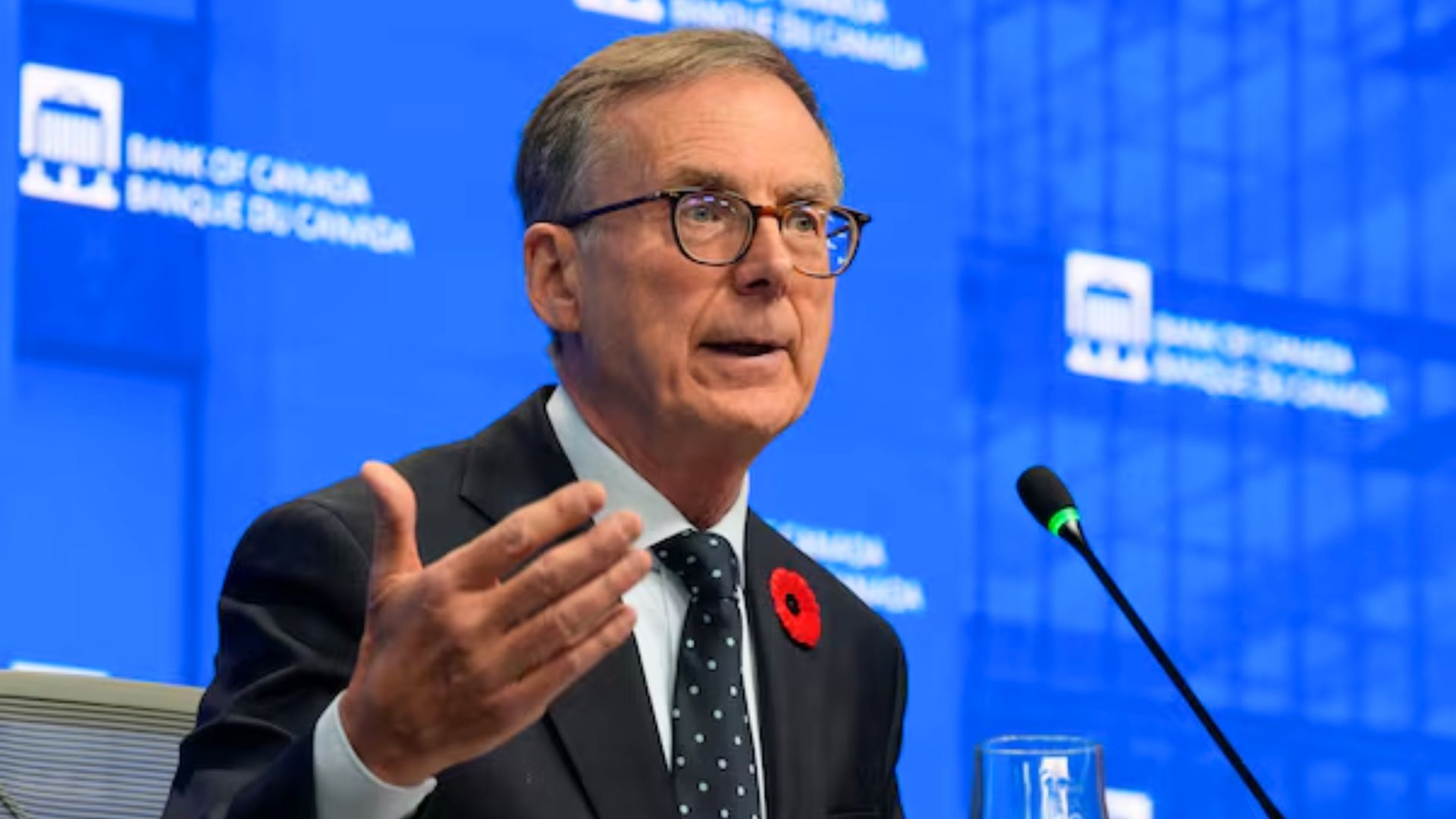
Photo courtesy: The Globe and Mail
Canadians could face higher borrowing costs after the Bank of Canada raised its benchmark interest rate to 2.5%, its first increase in more than three years, as rising energy prices threaten to push inflation higher.
The central bank announced the quarter-percentage-point increase on Wednesday, October 28, lifting its policy rate from 2.25% after keeping it unchanged for nearly a year.
The decision marks the first rate hike since July 2023 and comes as Canada faces renewed inflationary pressure linked to the ongoing conflict in the Middle East.
Bank of Canada Governor Tiff Macklem said higher oil prices are increasing costs for businesses and households, raising concerns that price increases could spread beyond gasoline and other energy products.
The central bank believes higher interest rates are necessary to reduce that risk, even as parts of the Canadian economy continue to struggle.
Why did the Bank of Canada raise rates?
Canada’s annual inflation rate reached 3.1% in September, up from 3% in August, according to Statistics Canada.
Gasoline prices climbed 27.8% from a year earlier, while overall energy prices rose 19%.
Excluding gasoline, inflation was considerably lower at 2.2%, highlighting how strongly fuel prices have contributed to the country’s rising cost of living.
The Bank of Canada is concerned that prolonged increases in energy costs could eventually affect prices across the economy.
Businesses facing higher transportation, production, and operating expenses may pass more of those costs on to consumers.
In its latest economic outlook, the bank projected inflation could rise to approximately 3.5% by the end of 2026 and remain around 3% through much of 2027.
That would keep inflation above the central bank’s 2% target for longer than previously expected.
What does the rate hike mean for Canadians?
The increase could make borrowing more expensive for households and businesses, particularly those with variable-rate loans.
Homeowners with variable-rate mortgages may see higher payments or a larger share of their payments going toward interest, depending on their mortgage terms.
Borrowers with home equity lines of credit and other loans tied to prime lending rates could also face higher interest charges.
Fixed-rate mortgage holders generally will not see an immediate change to their existing contractual rate, although future renewals will depend on market conditions.
For consumers already dealing with rising household expenses, higher borrowing costs could place additional pressure on monthly budgets.
The central bank’s challenge is to control inflation without unnecessarily weakening economic activity.
Canadian economy shows signs of resilience
Despite concerns about inflation, the Bank of Canada said economic growth has been stronger than previously anticipated.
Canada’s economy expanded at an annualized rate of 3.3% in the second quarter, supported by consumer spending and business investment.
The bank now expects the economy to grow by 1% in 2026, followed by 2% in both 2027 and 2028.
However, the outlook remains uncertain.
The Canadian labour market continues to face challenges, with unemployment hovering around 6.5%. The housing market also remains relatively weak.
Meanwhile, ongoing trade tensions with the United States continue to affect key industries and business confidence.
These conditions make further interest rate decisions particularly difficult, as higher borrowing costs could help control inflation while slowing spending and investment.
Could another rate hike follow?
The Bank of Canada has not ruled out additional increases.
In its October monetary policy announcement, the central bank said further action could be necessary if elevated energy prices continue feeding into broader inflation.
However, policymakers emphasized that future decisions will depend on incoming economic data and developments affecting inflation and growth.
The bank’s next scheduled interest rate announcement is December 9, 2026.
Borrowers and businesses will be watching whether inflation begins to ease or whether rising energy costs lead to further pressure on Canadian household finances.