Headline
Filipinos face higher electricity bills as peso weakens to ₱64 per dollar

ASM, Philippine Canadian Inquirer
October 28, 2026
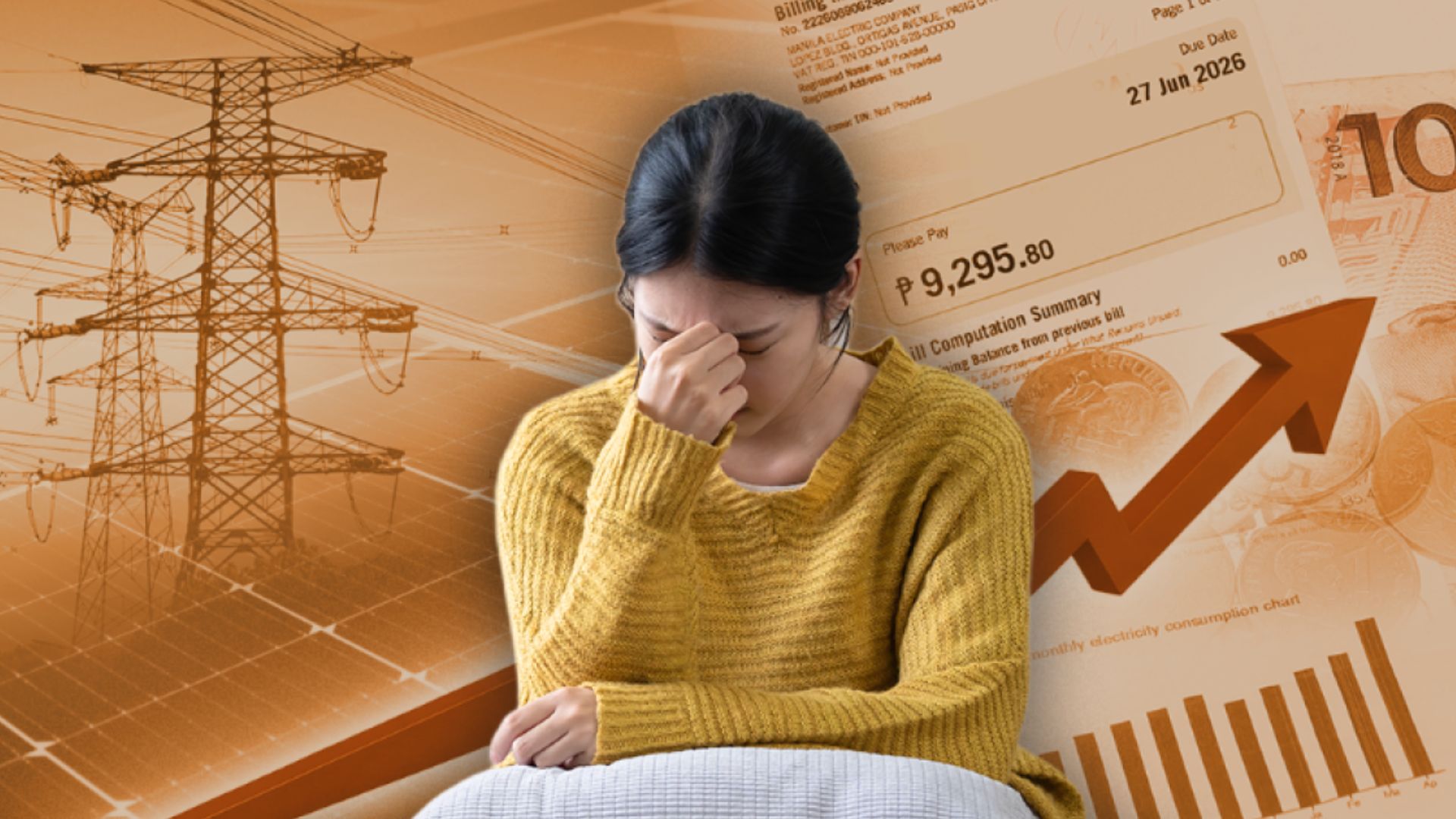
Photo courtesy: Asian Power
MANILA, Philippines — Filipinos could face further increases in electricity bills as the peso’s continued decline against the US dollar drives up the cost of imported fuel used in power generation, Energy Secretary Sharon Garin warned.
Speaking to reporters during Singapore International Energy Week on Tuesday, October 27, Garin said the weaker peso would make coal, diesel, and liquefied natural gas (LNG) more expensive for Philippine energy companies.
These additional costs could eventually be passed on to consumers through higher electricity rates.
“So P64 is probably the highest we have now. So it will impact the rate of electricity because it passes through, so it will impact per kilowatt-hour,” Garin said.
The warning came as the Philippine peso breached the ₱64-per-dollar level for the first time, reaching an intraday low of ₱64.20 before closing at a record ₱64.17 against the US dollar.
The peso’s depreciation means local companies must spend more pesos to purchase fuel priced in dollars, adding pressure to electricity generation costs.
To help limit the impact on households, Garin said she would meet with Energy Regulatory Commission (ERC) Chairperson Francis Saturnino Juan to discuss possible measures to cushion or delay electricity rate increases.
The Department of Energy (DOE) is also considering asking oil companies to implement fuel price adjustments gradually rather than imposing large increases at once.
Garin said the agency has previously made similar requests to fuel retailers, which generally cooperated.
The warning comes as electricity prices are already rising for customers of Manila Electric Co. (Meralco).
For October, Meralco increased its residential electricity rate by ₱0.3191 per kilowatt-hour (kWh), bringing the overall rate to ₱15.0615 per kWh from ₱14.7424 in September.
For a household consuming 200 kWh per month, the adjustment translates to approximately ₱64 more on its electricity bill.
Meralco attributed the increase mainly to higher generation charges, including rising fuel costs and the impact of the weaker peso on dollar-denominated power supply contracts.
Consumers may also face additional adjustments in the coming months.
The ERC recently approved an average distribution rate of ₱1.48 per kWh for Meralco, up from ₱1.35 per kWh, following a regulatory review.
The approved rate is lower than the ₱2.34 per kWh initially requested by the power distributor and applies to its distribution charges rather than the entire electricity bill.
Apart from currency depreciation, the country faces growing energy concerns as El Niño conditions threaten to increase electricity demand.
Hotter and drier weather could prompt greater use of air-conditioning and other cooling appliances, placing additional pressure on power supplies and potentially raising costs.
Garin said the DOE would continue exploring ways to minimize the impact of rising energy prices. If the financial burden becomes too severe, the department may recommend additional assistance, including possible subsidies, for government consideration.
Households face continued uncertainty over electricity costs as the peso remains under pressure and imported fuel prices fluctuate.