Canada News
Canada, US push for tariff deal ahead of November 3 midterm elections

ASM, Philippine Canadian Inquirer
October 27, 2026
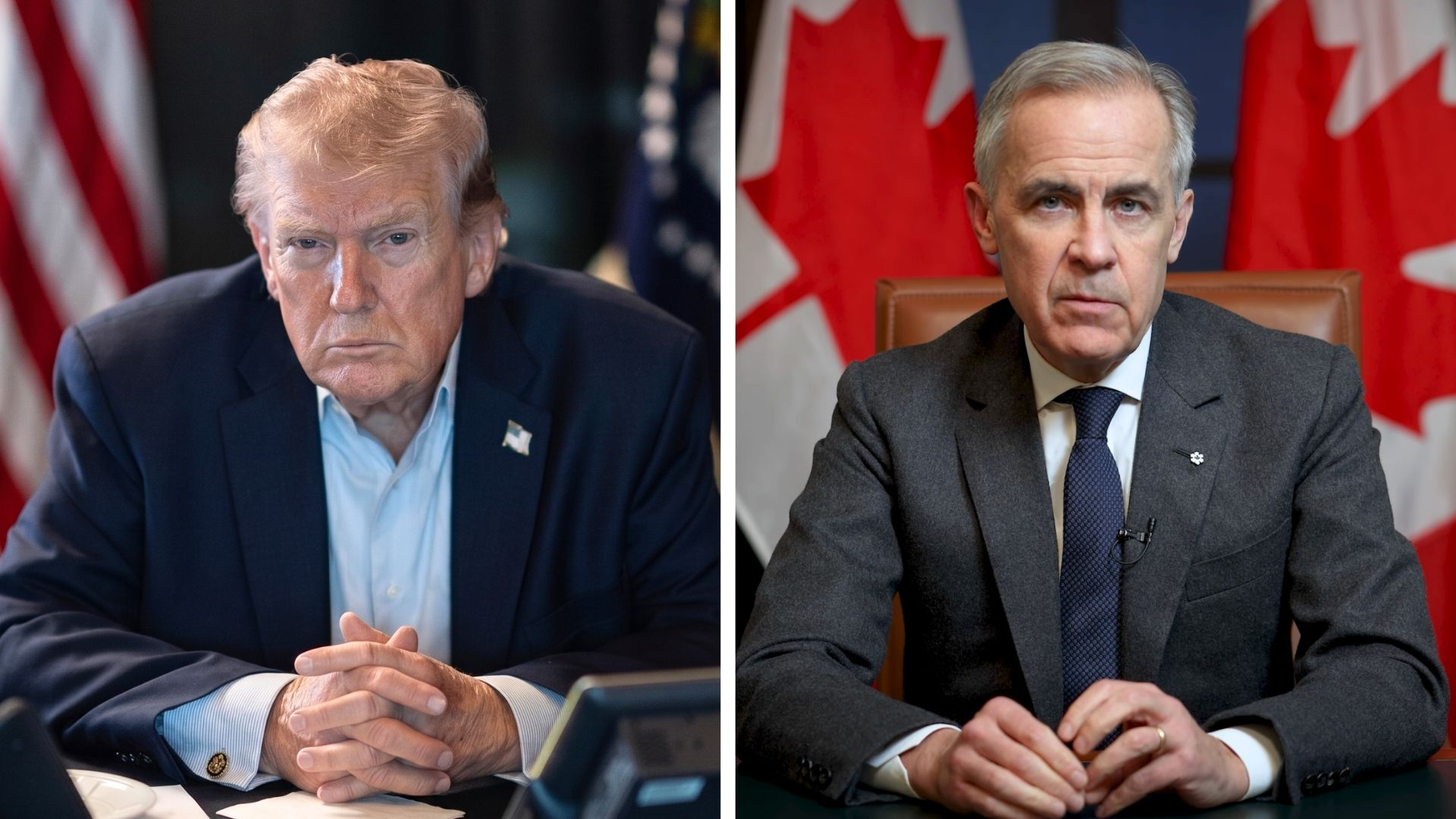
Photo courtesy: Multiple Sources
OTTAWA, Canada – Canada and the United States are stepping up trade negotiations aimed at easing tariffs on Canadian steel and automobiles, with officials exploring a potential agreement ahead of the November 3 US midterm elections.
The renewed discussions follow months of strained trade relations under US President Donald Trump, whose tariffs have placed pressure on Canadian manufacturers and disrupted cross-border trade.
Negotiations are focused on reducing duties imposed under Section 232 of US trade law, including tariffs of up to 50% on Canadian steel and 25% on automobiles.
A limited agreement could emerge before the elections, according to officials familiar with the discussions. However, major differences remain, and no deal has been finalized.
Canadian Prime Minister Mark Carney said on Monday, October 26, that Washington has shown greater willingness to consider Canada’s negotiating demands.
Still, he emphasized that Ottawa would only accept an agreement that protects Canadian interests.
“Canada is ready to sign an agreement that is in the interest of Canadians, all Canadians,” Carney said.
He explained that Canada rejected an earlier proposal in August because it failed to meet the country’s conditions.
The Prime Minister also acknowledged uncertainty over whether Trump would honor a future agreement, underscoring the challenges that remain in restoring stable trade relations.
US Commerce Secretary Howard Lutnick and Canada’s minister responsible for Canada-US trade, Dominic LeBlanc, have been in regular contact as the two governments work toward a possible compromise.
The renewed talks come as the Trump administration promotes its economic record ahead of the midterm elections.
White House National Economic Council Director Kevin Hassett described the US economy as one of the strongest in the country’s history during an interview on Sunday, October 25.
“The great big picture about the economy is that it’s about the best economy we’ve ever seen,” Hassett said.
He pointed to economic growth while dismissing negative assessments of the administration’s performance.
However, concerns over inflation, energy prices, and the cost of living continue to shape public opinion, leaving a gap between the White House’s assessment and the financial pressures reported by many Americans.
Meanwhile, Canada is pursuing a longer-term strategy to reduce its dependence on the US market.
Carney’s government aims to double Canadian exports to countries outside the United States over the next decade, expanding trade relationships with Europe and other international partners.
The Prime Minister has previously highlighted strong growth in non-US exports as evidence of progress toward that goal.
Canada is also preparing to host a summit with European Union leaders in Montreal on October 29 and 30.
The meeting will focus on strengthening cooperation in trade, technology, critical minerals, energy, and security, while creating new opportunities for Canadian businesses.
The European Union is already Canada’s second-largest trading partner after the United States, making it an important part of Ottawa’s efforts to diversify export markets.
For Canadian steelmakers and automakers, however, securing relief from US tariffs remains an immediate concern.
The two countries have deeply connected manufacturing industries, particularly in automobile production, where components frequently cross the border during assembly.
Carney has warned that tariffs weaken industries on both sides of the border and increase costs for businesses and consumers.
While negotiations have gained momentum, the outcome remains uncertain as both governments weigh their economic priorities ahead of the US elections.