Headline
Chinese Embassy warns Filipino lawmakers they are ‘on the list’ amid diplomatic row

ASM, Philippine Canadian Inquirer
October 21, 2026
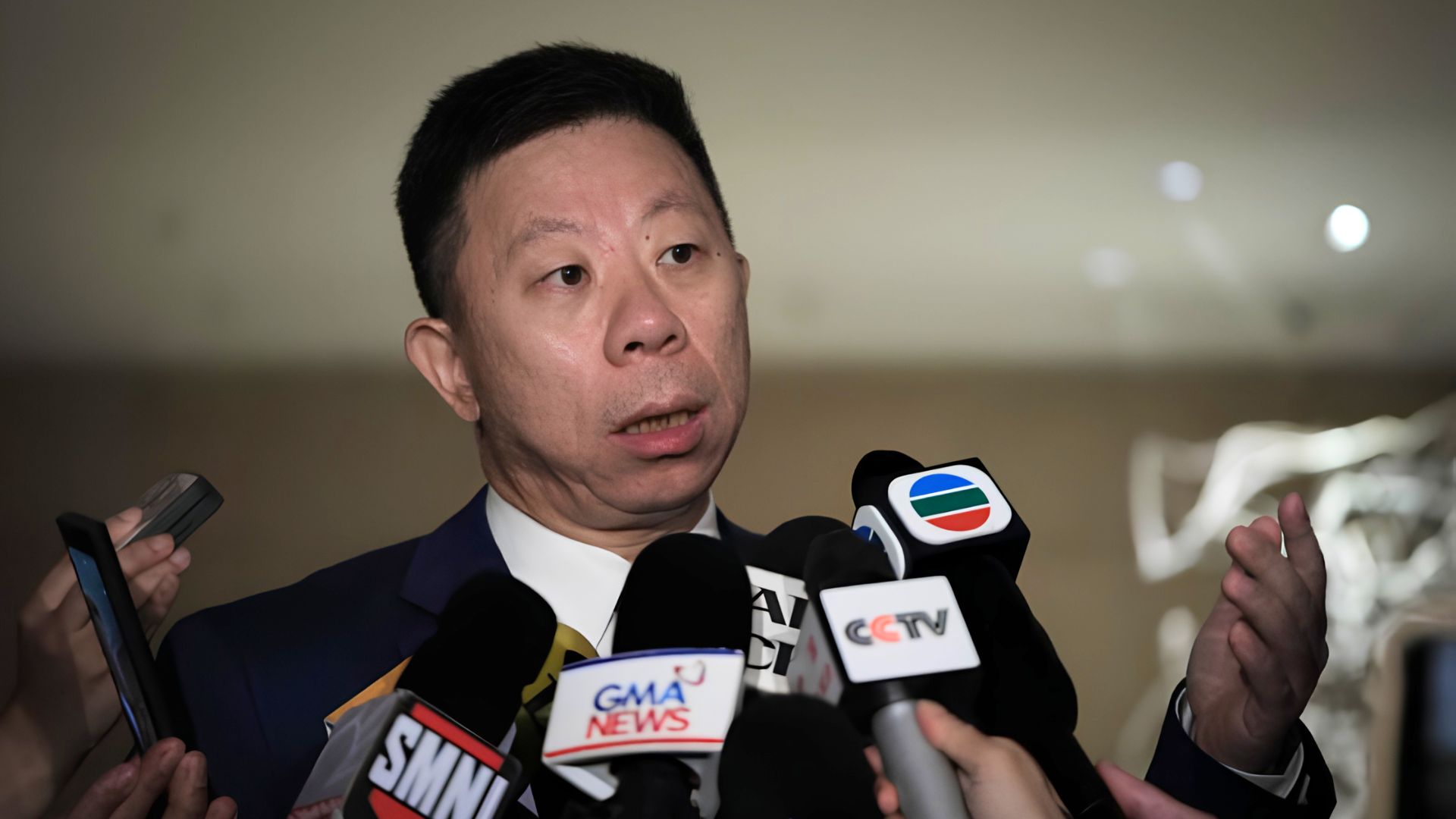
Photo courtesy: LinkedIn
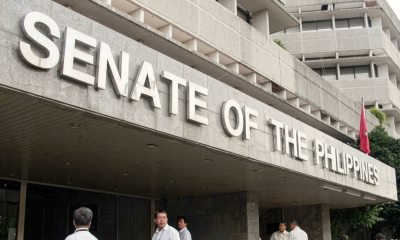
MANILA, Philippines — The Chinese Embassy in Manila has issued a warning to several Philippine lawmakers who called for the expulsion of Chinese Ambassador Jing Quan, further intensifying diplomatic tensions between the two countries.
In a social media post on Tuesday, October 20, the embassy shared a statement from nine House representatives criticizing the ambassador’s recent remarks about China’s military capabilities.
The embassy accompanied the statement with a brief message: “Put on record. You are now on the list.”
It did not explain what the list referred to or whether the lawmakers would face any consequences.
Lawmakers call for Chinese envoy’s removal
The warning followed renewed calls to declare Jing persona non grata over remarks suggesting that China could easily defeat the Philippines in a military confrontation.
Nine members of the House of Representatives urged President Ferdinand Marcos Jr. to consider expelling the ambassador, describing his statements and the embassy’s subsequent responses as inconsistent with diplomatic conduct.
The lawmakers were:
- Zia Alonto Adiong
- Arlene “Kaka” Bag-ao
- Percival “Perci” Cendaña
- Leila de Lima
- Chel Diokno
- Dadah Kiram Ismula
- Cielo Krisel Lagman
- Karl Legazpi
- Mark Anthony Santos
They argued that the ambassador’s remarks undermined constructive dialogue between Manila and Beijing and raised concerns over Philippine sovereignty.
The embassy also responded to Senator Risa Hontiveros, who filed Senate Resolution No. 746 seeking to declare Jing persona non grata or request his recall.
In a separate social media post, the embassy said, “Since you don’t welcome us, we don’t welcome you, either. Fair enough.”
Hontiveros’ resolution followed a similar proposal filed by Senator Erwin Tulfo on October 19.
Lawmakers reject embassy’s warning
Several lawmakers responded by reaffirming their positions on Philippine sovereignty and maritime rights.
Lanao del Sur Representative Zia Alonto Adiong said he was proud to be included if the embassy’s list referred to officials opposing what he described as China’s intimidation and aggression.
He also criticized the embassy’s approach, saying pressure from China was extending beyond the West Philippine Sea into diplomatic exchanges.
Meanwhile, Mamamayang Liberal Party-list Representative Leila de Lima described the statement as a direct threat.
She maintained that she would not withdraw her position on defending the country’s sovereignty.
Akbayan also defended its representatives, including Chel Diokno, Perci Cendaña, Dadah Ismula and former representative Arlene Bag-ao.
The party said its members would not be intimidated or discouraged from speaking about Philippine maritime rights.
Jing’s military remarks sparked controversy
The diplomatic dispute began after Jing commented on tensions between Manila and Beijing during an October 15 interview.
Responding to criticism from Defense Secretary Gilberto Teodoro Jr., the ambassador said China could easily win if it chose to use military force against the Philippines.
However, Jing also emphasized that Beijing preferred peace and would not pursue military action.
His remarks drew criticism from Philippine officials, including President Marcos, who said the statement sounded threatening.
The Department of Foreign Affairs (DFA) summoned Jing on October 19 to formally convey the government’s objection.
Foreign Affairs Secretary Ma. Theresa Lazaro described the ambassador’s remarks as provocative and unacceptable.
The Chinese Embassy rejected the accusation that Jing had threatened the Philippines, maintaining that his statements had been taken out of context.
No decision yet on ambassador’s expulsion
Despite the calls from lawmakers, the Philippine government has not announced a decision to declare Jing persona non grata.
Under the Vienna Convention on Diplomatic Relations, a receiving country may declare a foreign diplomat unwelcome without having to explain its decision.
Such a declaration would require the sending country to recall the diplomat or terminate the official’s functions.
However, the Senate resolutions do not automatically remove the ambassador from his post.
As of October 21, the Chinese Embassy has also not clarified the purpose of its list or confirmed any formal measures against the lawmakers it identified.
The latest exchange adds to tensions between Manila and Beijing, particularly over their longstanding disagreements in the West Philippine Sea.