
Headline
Importer faces up to 20 years in prison over illegal Canadian waste shipments

ASM, Philippine Canadian Inquirer
October 20, 2026
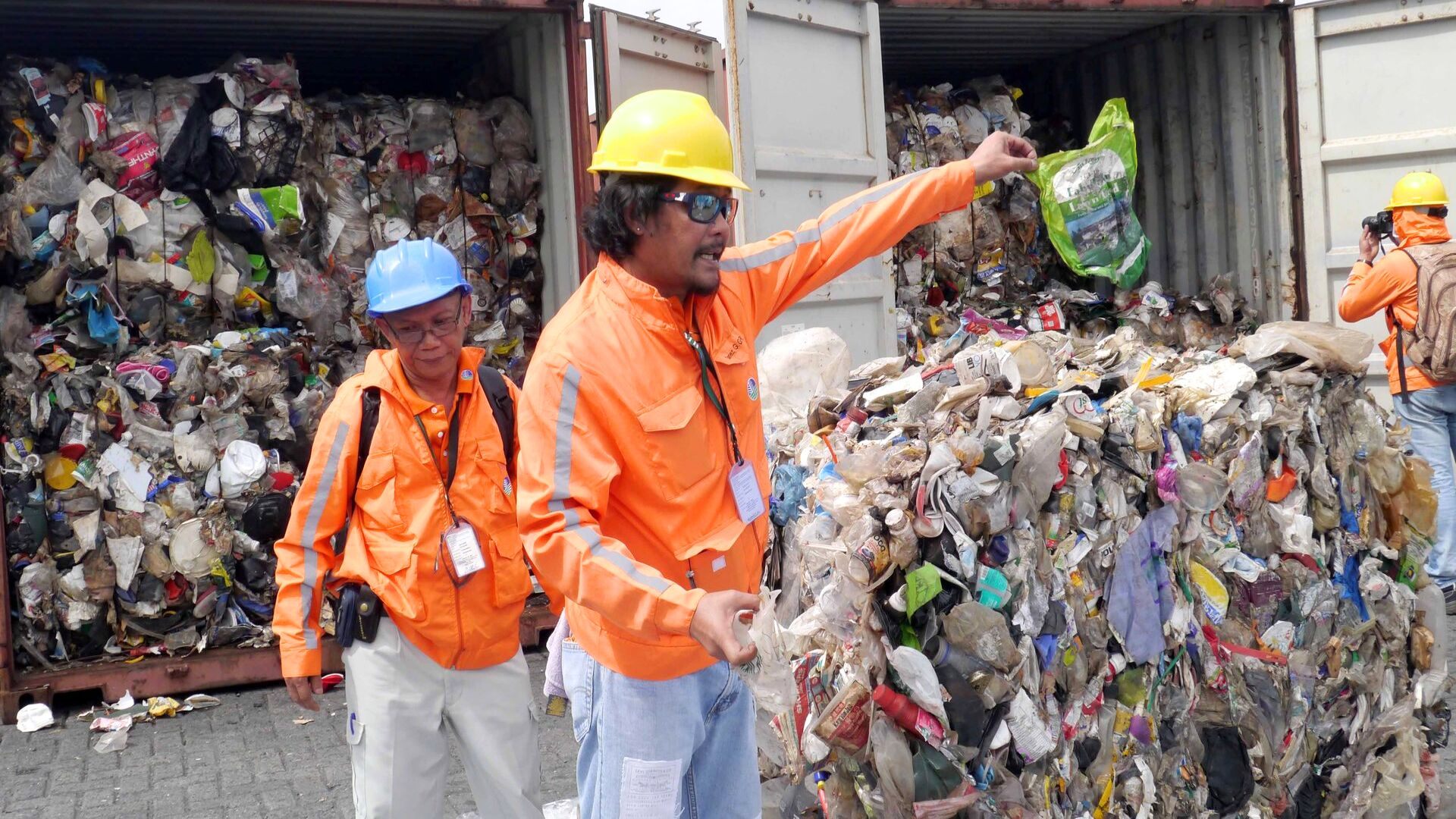
Photo courtesy: Reuters
MANILA, Philippines – More than 13 years after shipments of Canadian waste sparked a controversy in the Philippines, a Manila court has convicted a business owner for illegally importing hazardous materials into the country.
The Manila Regional Trial Court sentenced the owner of Chronic Plastics to 12 years and one day to 20 years in prison, along with a ₱1-million fine.
The Department of Justice (DOJ) announced the conviction on October 19, following a court decision issued on August 26, 2026.
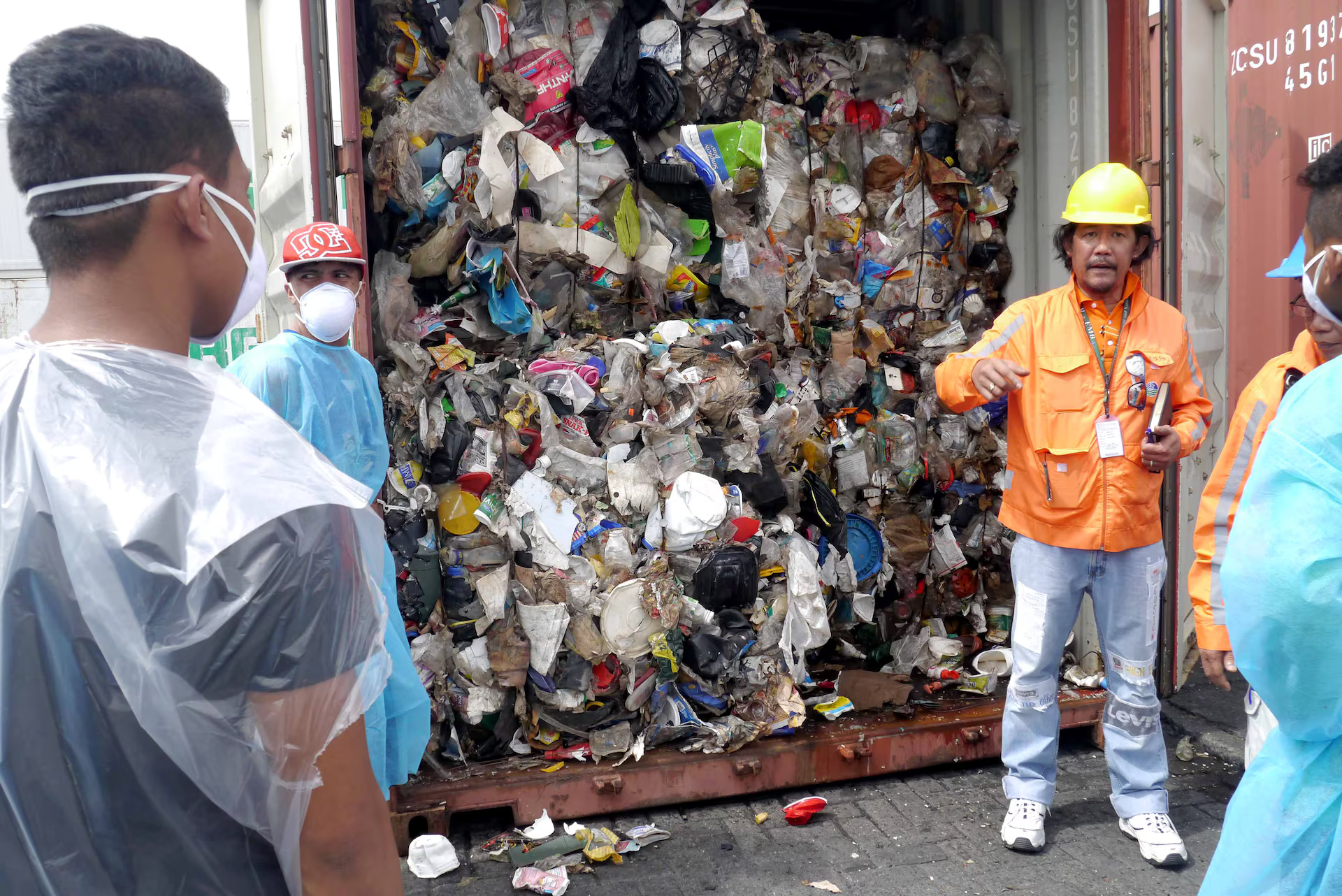
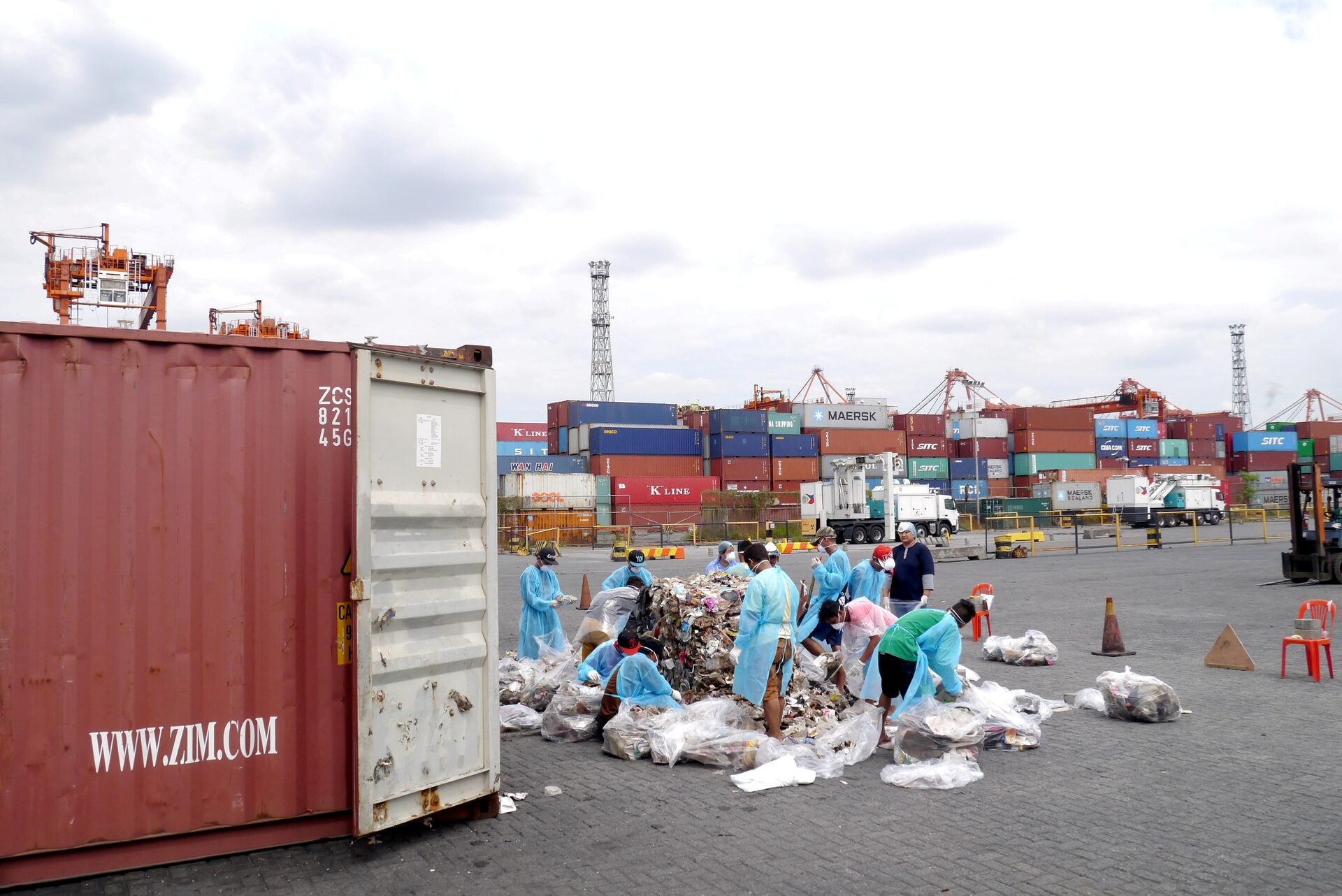
The case involved 10 shipping containers that arrived at the Port of Manila on June 23, 2013.
Waste shipments falsely declared as plastic scrap
The containers were initially declared as compressed plastic scrap, suggesting they contained materials intended for recycling.
However, inspections revealed mixed and unsorted waste materials that did not match the declared contents.
The shipments also entered the country without the required clearance from the Department of Environment and Natural Resources (DENR).
Acting Presiding Judge Marlo Magdoza-Malagar found the business owner guilty of violating Section 13(d) of Republic Act No. 6969, or the Toxic Substances and Hazardous and Nuclear Wastes Control Act of 1990.
The law regulates hazardous substances and prohibits the unlawful entry of hazardous and nuclear waste into the Philippines.
Two customs brokers acquitted
While the court convicted the importer, it cleared two customs brokers who were also charged in connection with the shipments.
The court found insufficient evidence to establish that the brokers knew about or participated in loading the prohibited materials.
Their involvement was limited to facilitating the release of the containers.
As a result, the prosecution failed to prove their guilt beyond reasonable doubt.
Justice Secretary Fredderick Vida welcomed the conviction, emphasizing the government’s responsibility to protect the environment and hold violators accountable.
How the Canadian waste controversy began
The case dates back to 2013 and 2014, when shipments of Canadian garbage entered the Philippines under declarations identifying the contents as recyclable plastic materials.
Inspections later uncovered mixed waste, including household garbage and used diapers.
The shipments triggered investigations and protests from environmental organizations. They also became a diplomatic issue between the Philippines and Canada.
For years, Philippine authorities demanded the return of the waste, raising concerns about environmental protection and the country’s exposure to improperly declared foreign garbage.
The dispute intensified in 2019 when then-President Rodrigo Duterte demanded that Canada retrieve the remaining containers.
The Canadian government eventually arranged for the return of 69 containers.
The shipment arrived in Delta, British Columbia, near Vancouver, on June 29, 2019, ending the years-long dispute over the waste’s return.
Court ruling comes years after waste was returned
Although the remaining waste containers were sent back to Canada in 2019, legal proceedings against those linked to their importation continued in the Philippines.
The August 2026 court decision addresses criminal responsibility for the illegal entry of the 10 containers covered by the case.
It also marks a major development in a controversy that raised questions about international waste shipments, environmental safeguards and accountability.
The DOJ has not established in its publicly reported announcement whether the conviction is already final or remains subject to appeal.
Importer faces up to 20 years in prison over illegal Canadian waste shipments | Reuters
Importer faces up to 20 years in prison over illegal Canadian waste shipments | Reuters




















