Headline
Philippines pushes easier local access to international climate funds

ASM, Philippine Canadian Inquirer
September 22, 2026
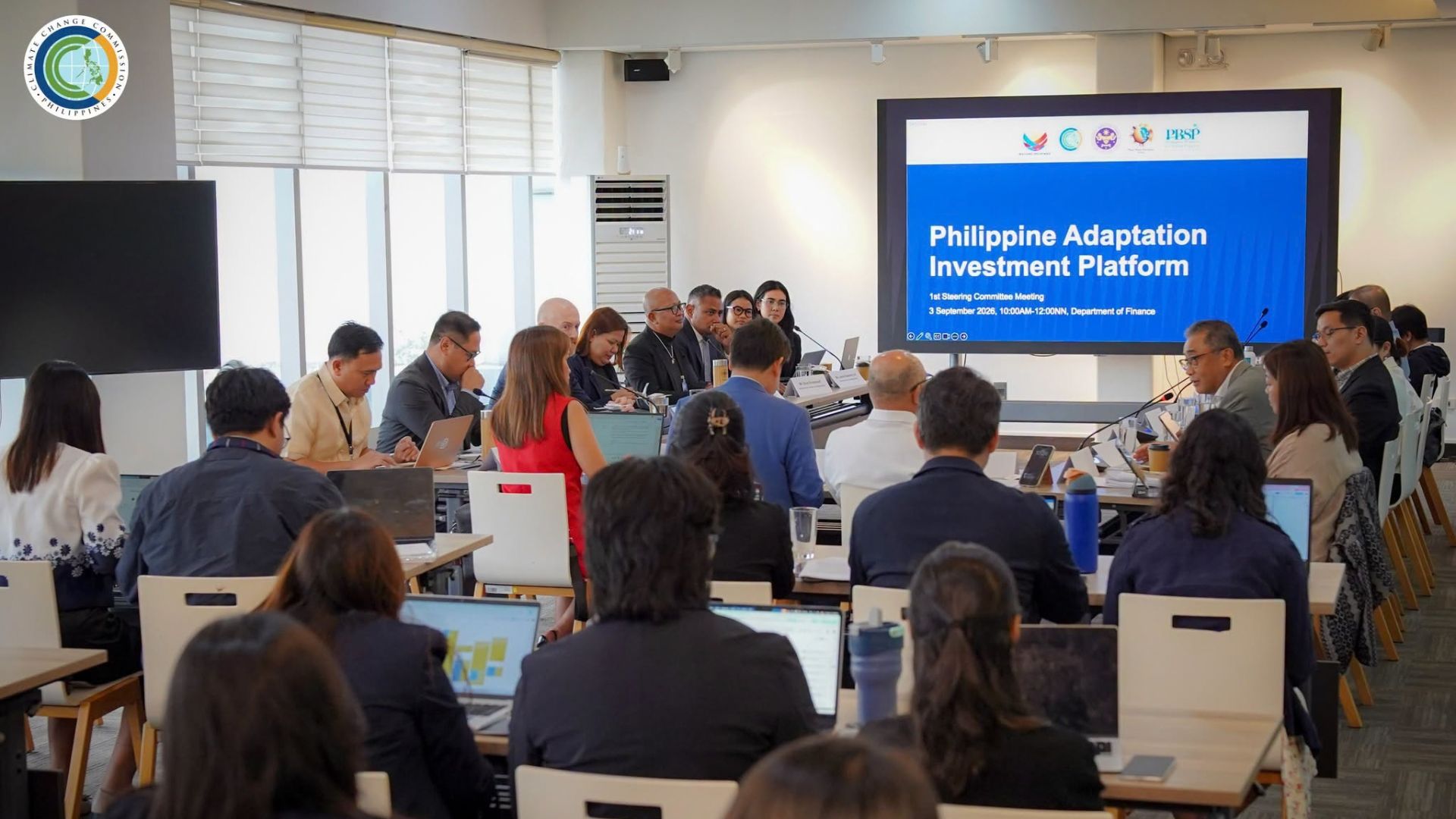
Photo courtesy: Climate Change Commission PH
MANILA — The Philippines is pushing for international climate financing to become more accessible to local governments and communities that carry out adaptation projects and face direct climate risks.
Climate Change Commission Vice Chairperson and Executive Director Robert E.A. Borje raised the issue during the 30th meeting of the United Nations Framework Convention on Climate Change Adaptation Committee in Baku, Azerbaijan, where the committee discussed possible themes for its 2027 work on adaptation finance.
Borje, who represents developing countries on the Adaptation Committee, backed local-level adaptation finance as a potential focus, saying the issue is not only how much financing is available but whether communities can actually access and use it.
“For developing countries, the question is not only how much adaptation finance is available, but whether it can actually be accessed and used where climate risks are felt most,” Borje said, according to the Climate Change Commission.
The proposed discussion would examine how international climate funds can reach local actors, what roles governments and other institutions should play, and countries’ experiences in addressing obstacles to financing.
According to the CCC, local governments and communities in developing countries often carry out adaptation projects but may face institutional, technical, and financing constraints when seeking international support.
For the Philippines, the issue comes as the government works to implement and localize its National Adaptation Plan, including efforts to help local governments develop climate-resilient projects and secure financing.
Earlier this month, the CCC also convened the first steering committee meeting of its Adaptation Investment Platform, which is intended to turn national adaptation priorities into investment-ready projects and connect proponents with public, private and concessional financing.
Borje said financing mechanisms should be evaluated based on whether they address actual barriers without creating additional requirements that make funds harder to access.
“Innovation should serve implementation,” he said.
The UNFCCC Adaptation Committee has not yet simply adopted local-level finance as its sole 2027 focus. At its September meeting, it considered the topic alongside other possible themes, including innovative adaptation finance, blended finance, regional platforms and stronger institutional coordination. The committee agreed that the scope of its 2027 dialogue could be further developed through a concept note.