Headline
Manila, Cebu make world’s top 10 least affordable cities to buy a home

Abi Sarabia M., Philippine Canadian Inquirer
September 10, 2026
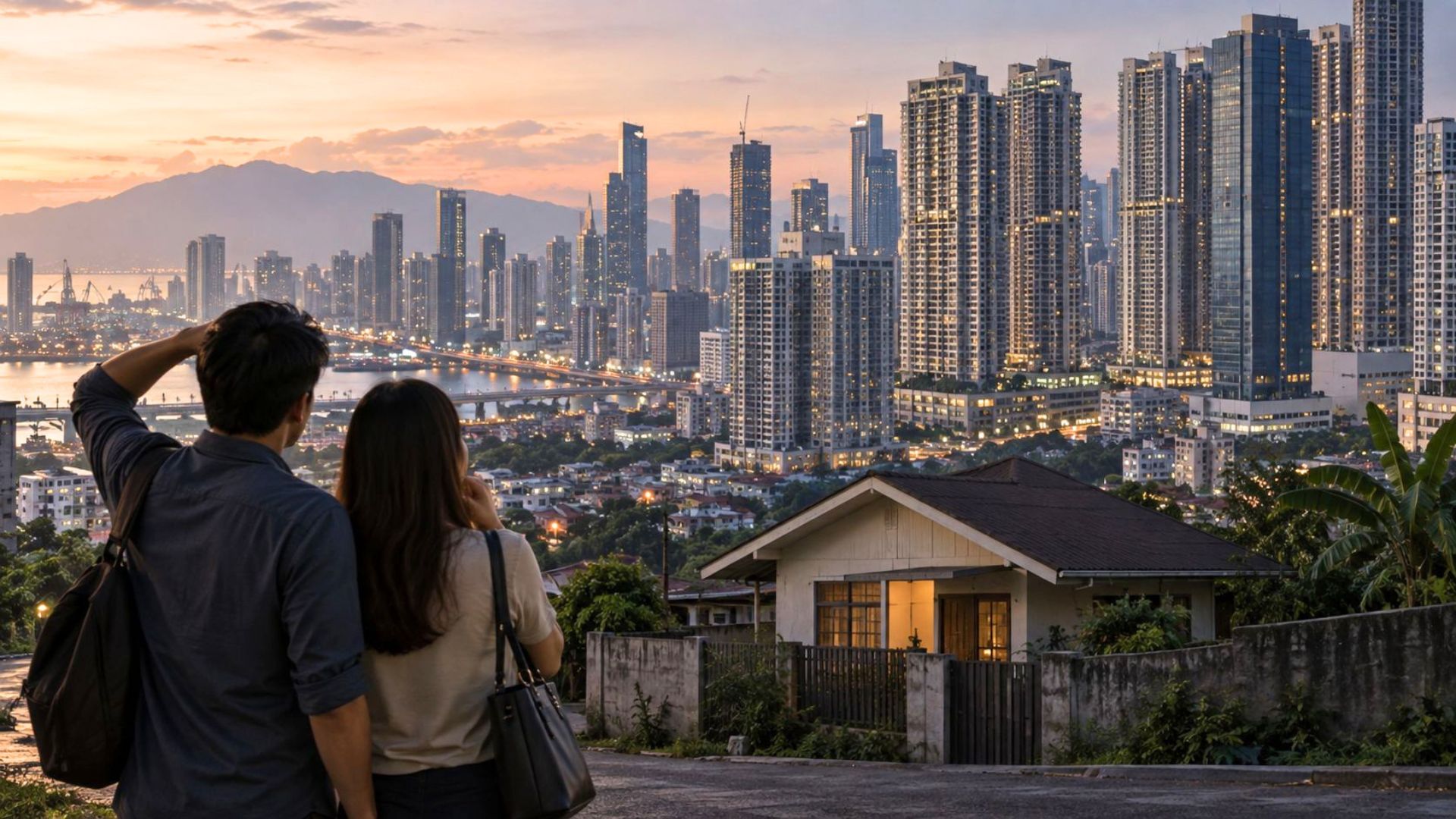
MANILA, Philippines — Buying a home remains especially difficult in Manila and Cebu, with both Philippine cities ranking among those with the highest property price-to-income ratios worldwide in Numbeo’s 2026 Property Prices Index.
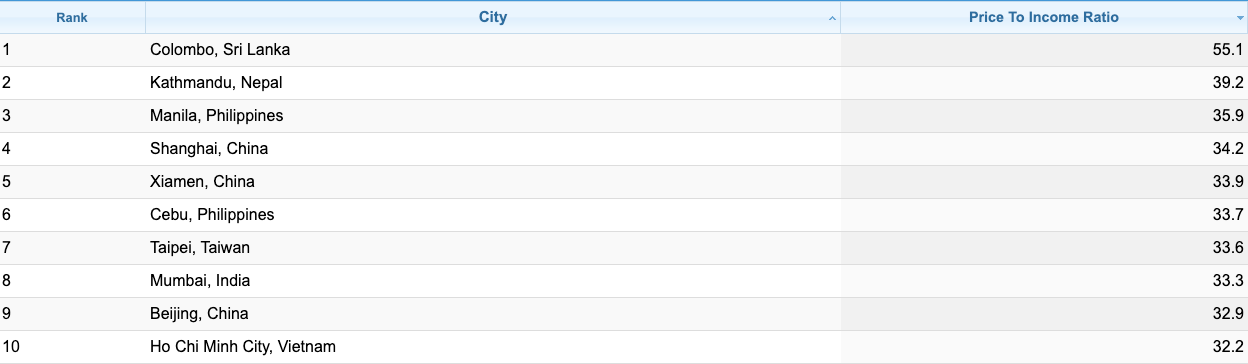
Manila posted a price-to-income ratio of 35.9, the third-highest among the cities listed globally, behind only Colombo, Sri Lanka at 55.1 and Kathmandu, Nepal at 39.2.
Cebu followed closely with a ratio of 33.7, placing sixth on the global list.
The top 10 cities based on Numbeo’s 2026 price-to-income data were:
- Colombo, Sri Lanka – 55.1
- Kathmandu, Nepal – 39.2
- Manila, Philippines – 35.9
- Shanghai, China – 34.2
- Xiamen, China – 33.9
- Cebu, Philippines – 33.7
- Taipei, Taiwan – 33.6
- Mumbai, India – 33.3
- Beijing, China – 32.9
- Ho Chi Minh City, Vietnam – 32.2
Numbeo uses the price-to-income ratio as a measure of how affordable it is to purchase an apartment relative to household income. A higher ratio means property prices are more difficult to afford based on estimated earnings.
Its calculation compares the estimated price of a 90-square-meter apartment with annual disposable family income. Numbeo assumes family income at 1.5 times the average net salary and uses an average of property prices inside and outside the city center.
Under this measure, Manila’s 35.9 ratio means the estimated home price is roughly 35.9 times annual family disposable income, while Cebu’s is about 33.7 times.
The two Philippine cities also topped Southeast Asia’s 2026 list, ahead of Ho Chi Minh City at 32.2, Phnom Penh at 31.4 and Hanoi at 31.1.
Other indicators further reflect the financing burden. Numbeo placed estimated mortgage payments at around 344% of household income in Manila and 313% in Cebu under its assumptions for a 20-year mortgage covering the full property price. Both cities registered an affordability index of about 0.3, where higher scores indicate better affordability.
The figures should be treated as an indicative comparison rather than official government housing statistics. Numbeo compiles user-contributed data and applies standardized assumptions to compare property affordability across cities.
Still, the rankings highlight the wide gap between home prices and household earning power in two of the Philippines’ biggest urban centers.