Headline
UP study maps possible methane hydrate deposits beneath Manila Trench

Abi Sarabia M., Philippine Canadian Inquirer
September 09, 2026
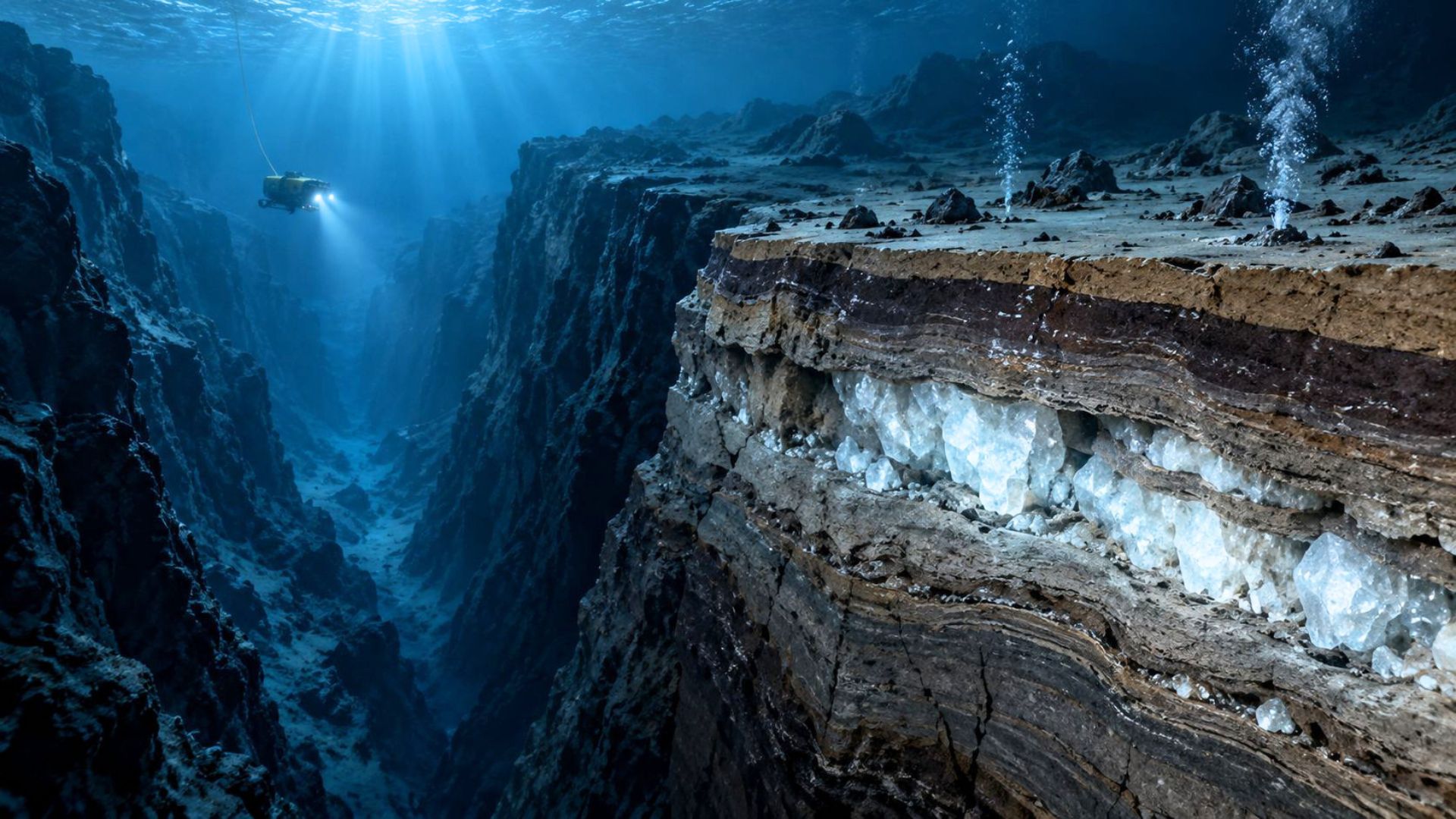
Ice-like deposits that trap large amounts of methane may be buried beneath parts of the Manila Trench west of Luzon, according to a study led by geologists from the University of the Philippines Diliman.
Researchers from the UP Diliman National Institute of Geological Sciences and collaborating institutions analyzed existing seismic-reflection data and identified features known as bottom-simulating reflectors, or BSRs, which are commonly associated with possible gas hydrate deposits beneath the seafloor.
Gas hydrates are solid, ice-like structures made of water molecules that trap gases, mostly methane. They form under conditions of high pressure and low temperature, typically beneath deep ocean sediments or in permafrost regions.
How much of the Manila Trench could contain them?
The study identified an inferred gas hydrate stability zone covering about 15,400 square kilometers in the Manila Trench forearc region—an area roughly comparable in size to Palawan.
The researchers found BSRs at depths of about 223 to 553 meters below the seafloor in the frontal wedge of the trench. In deeper forearc basins, the identified features extended from about 486 to 1,428 meters below the seafloor.
The findings do not mean that 15,400 square kilometers are filled entirely with methane hydrate. Rather, the mapped area represents zones where seismic evidence indicates that conditions may be favorable for gas hydrate occurrence.
Why do gas hydrates matter?
Gas hydrates have attracted scientific interest because methane can be used as fuel. A relatively small volume of gas hydrate can contain a much larger volume of methane once the gas is released.
UP Diliman noted that one cubic meter of gas hydrate can contain around 160 cubic meters of methane gas, highlighting why such deposits have been studied worldwide as a possible unconventional energy resource.
But whether gas hydrates beneath the Manila Trench could ever become a practical energy source remains unknown.
BSRs are indirect geophysical indicators, not physical samples of gas hydrate. Offshore drilling, sediment sampling and further geochemical studies would be needed to confirm the deposits, determine how much methane they contain, and assess whether extracting them would be technically and economically feasible.
Potential resource, but also a geological concern
Gas hydrates can become unstable when changes in temperature or pressure cause them to break down, releasing methane and water.
This is particularly important in the Manila Trench because it lies along an active tectonic margin. Researchers said gas hydrate dissociation could contribute to seafloor instability, while released methane could also pose environmental concerns because methane is a potent greenhouse gas.
The researchers therefore stressed the need to better understand where the possible deposits are located, how stable they are and how geological processes affect them.
Published in the journal Marine and Petroleum Geology in December 2023, the research was the first study to investigate the Manila Trench for indicators of gas hydrate accumulation, providing a starting point for further research into both its possible energy potential and geological risks.