Headline
1 in 5 children in 21 countries experienced tech-facilitated sexual abuse – UNICEF

Abi Sarabia M., Philippine Canadian Inquirer
September 07, 2026
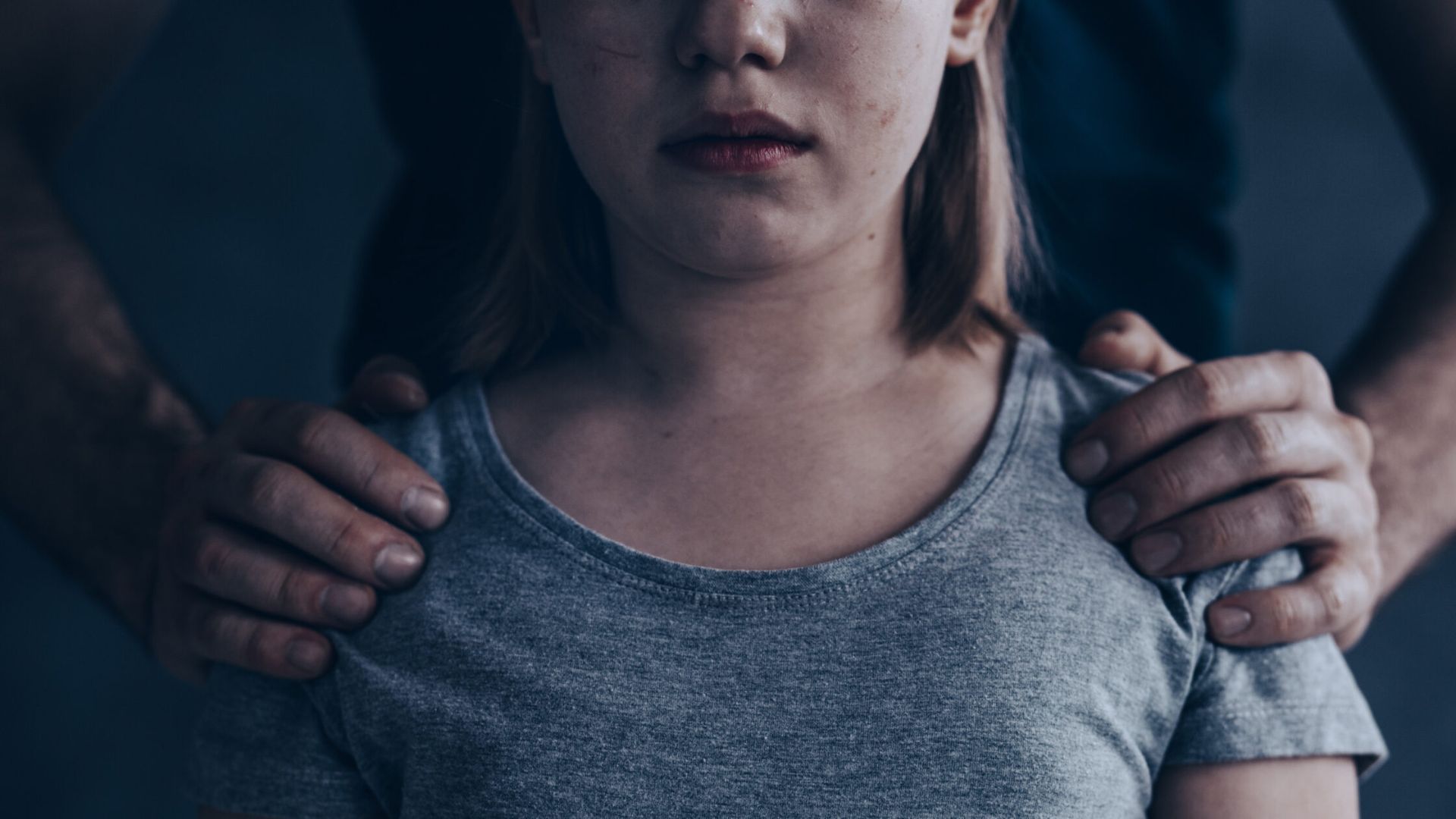
Photo courtesy: Modern Parenting
MANILA, Philippines — An estimated 20 million children aged 12 to 17 across 21 countries experienced at least one form of technology-facilitated sexual exploitation and abuse within a year, according to a new UNICEF report.
That represents nearly one in five internet-using children in the countries studied, including the Philippines.
The report, Through Children’s Eyes: How Digital Technologies Enable Child Sexual Abuse, combined survey data from about 21,000 internet-using children with interviews involving young people who experienced abuse during childhood.
UNICEF estimated that more than 15 million children were exposed to unwanted sexual content, nine million were pressured into sexual conversations or asked to share sexual images against their will, while four million had sexual images of themselves shared without consent.
Social media emerged as a major setting for the abuse. Nearly 60 percent of recorded cases involved platforms such as Facebook, Instagram, Snapchat, TikTok and WhatsApp, while around 14 percent involved online games.
The report also challenges the idea that the danger comes mainly from strangers online.
Across the countries surveyed, 57 percent of cases involved someone the child already knew, including peers, romantic partners, friends or family members. Meanwhile, 38 percent of children first encountered the perpetrator online.
Many children also remained silent after experiencing abuse.
More than 40 percent of cases were never disclosed to anyone, while fewer than one percent were reported to authorities such as police, social workers or helplines. UNICEF said one of the most common reasons children did not speak up was that they did not know where to go or whom to tell.
The consequences can extend beyond the incident itself. Children who experienced technology-facilitated sexual exploitation were four times more likely to report suicidal thoughts or behaviors and self-harm, and also reported higher levels of anxiety.
The Philippines was among the countries included in the first round of the Disrupting Harm research. Previous Philippine findings also showed gaps in children’s awareness of how to report harmful online content and where to seek help.
UNICEF is calling on governments and technology companies to strengthen protections for children, including safer privacy settings, limits on unsolicited contact from adults, better systems for detecting abuse and easier ways for children to report harmful experiences.
The report underscores a key message for parents, caregivers, schools and technology platforms: keeping children safe online also means making sure they know how to recognize unsafe behavior, where to report it and who they can approach for help.