Environment & Nature
From kitchen staple to water saviour: how okra may help clean up the world’s water

Abi Sarabia M., Philippine Canadian Inquirer
August 17, 2026
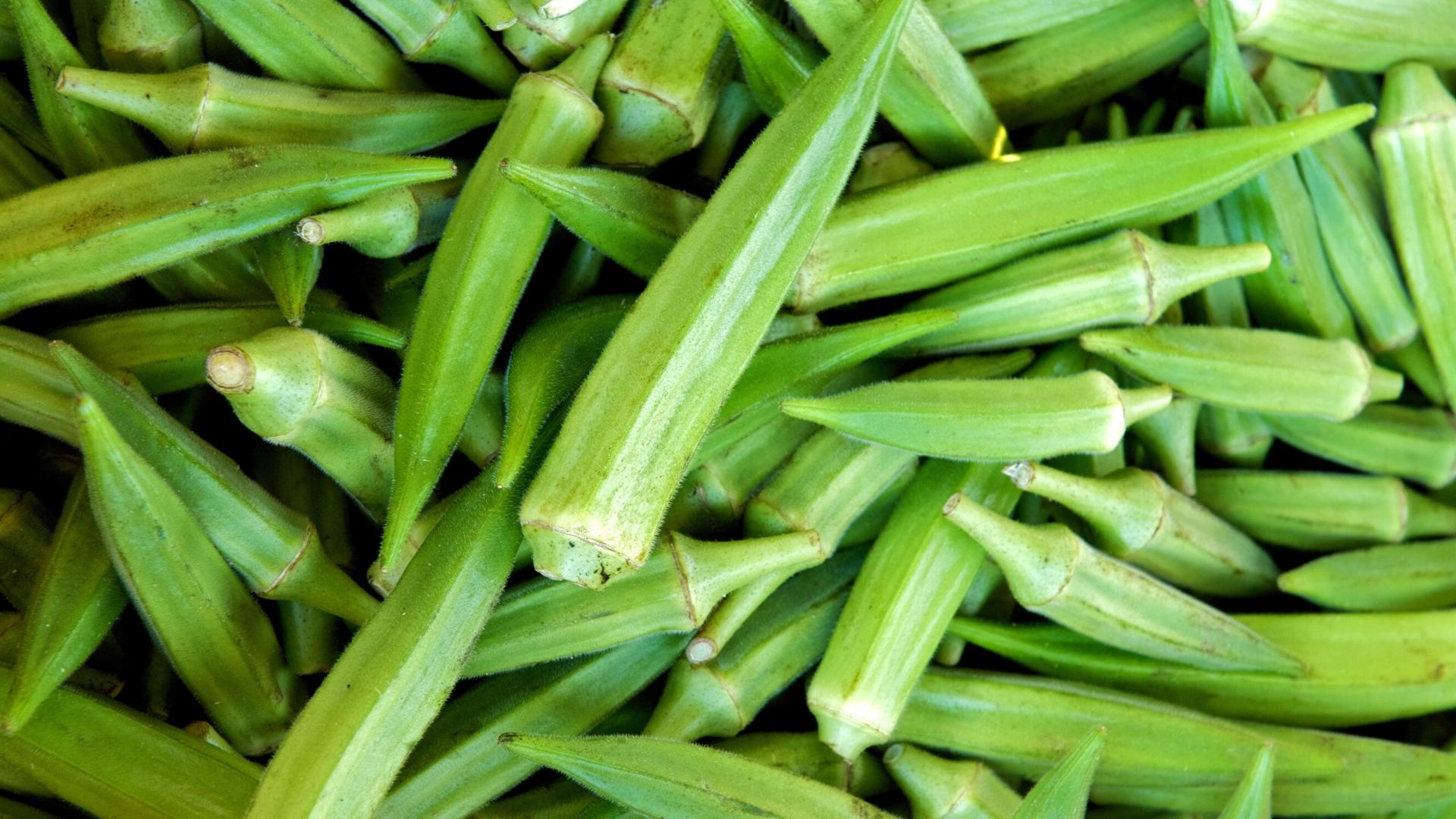
Photo courtesy: Wallpaper Abyss
Microplastics have become one of the most persistent environmental problems of our time, turning up in oceans, rivers, drinking water, and even human blood. Removing these tiny plastic fragments from water has proven difficult and expensive, often requiring synthetic chemicals that come with their own environmental costs.
For many Filipino households, okra is nothing more than a familiar sight in the palengke, a humble vegetable that finds its way into pinakbet, dinengdeng, and sinigang. Its sliminess, called “lendi” by some cooks, is often something to work around rather than celebrate.
But that same slippery texture, long considered a quirk of the kitchen, may hold the key to solving one of the world’s most stubborn environmental problems.
A 2025 peer-reviewed study published in ACS Omega found that natural polymers extracted from okra removed around 80% of microplastics from ocean-water samples tested by researchers.
The finding adds okra, long valued in kitchens around the world for its use in soups and stews, to a growing list of plant-based materials being explored as low-cost, sustainable solutions to plastic pollution.
The science behind the slime
Anyone who has cooked okra knows the vegetable’s most distinctive trait: its natural sliminess. That texture, often seen as a drawback in the kitchen, turns out to be the key to its potential as a water treatment tool.
The sliminess comes from sticky polysaccharides naturally found in okra. In the study, researchers found that these plant-based polymers attach to microplastic particles suspended in water, causing them to clump together and sink.
Once the particles clump and settle, they become far easier to separate and remove from the water, offering a simpler alternative to conventional filtration methods.
How the treatment was made and tested
To create the treatment, researchers prepared the material by soaking sliced okra pods in water overnight, extracting the dissolved polymers and drying them into a powder.
This powder was then applied to water samples contaminated with microplastics, allowing the researchers to measure how effectively it could pull the particles out.
The team also tested the treatment across different water sources, and results varied depending on the type of water involved. Okra performed best in ocean water, achieving around 80% removal.
Fenugreek, another natural plant extract, achieved around 89 percent removal in groundwater, while an equal mixture of okra and fenugreek removed approximately 77 percent of microplastics from freshwater.
Outperforming synthetic alternatives
Perhaps the most notable finding is how these plant-derived polymers stacked up against existing industry solutions. In laboratory testing, the okra and fenugreek extracts outperformed commercially available polyacrylamide, a synthetic polymer widely used in water treatment.
Beyond effectiveness, the appeal of okra and fenugreek lies in what they are not: they are not synthetic, and they do not carry the same environmental and health concerns associated with some chemical treatments.
Researchers identified okra and fenugreek extracts as potential biodegradable and nontoxic alternatives for removing contaminants during water treatment, a distinction that could matter greatly as regulators and water treatment facilities look for greener solutions.
A humble vegetable with global potential
The idea of using food-based materials to solve high-tech environmental problems is not new, but this study adds fresh weight to the case for looking to nature, rather than the lab, for solutions to plastic pollution.
Okra and fenugreek are inexpensive, widely available in many parts of the world, and already embedded in local food systems, making them practical candidates for further development.
For now, the research remains at an early stage, tested in controlled laboratory conditions rather than large-scale water treatment facilities.
But the results point to a promising direction: that some of the most effective tools against modern pollution problems may already be growing in gardens and markets, waiting to be put to a very different kind of use.
From a common vegetable to a potential tool against microplastic pollution, okra shows how nature-based materials could contribute to cleaner, more sustainable water technologies in the years ahead.