Lifestyle
The Real Rich

Margaret Atwood aptly captured this dynamic with the phrase, “Old money whispers, new money shouts.” Let me elaborate on this idea. Old wealth is characterized by understated elegance. They prioritize privacy, discretion, and timeless quality over flashy displays of wealth. Heritage, education, and philanthropy hold significant importance, and they often live within their means. Quiet confidence is a key trait, and they typically wear unbranded, durable clothing, drive older vehicles, and adhere to strict, traditional etiquette. Here are the key behavioural and lifestyle characteristics of the “old money”:
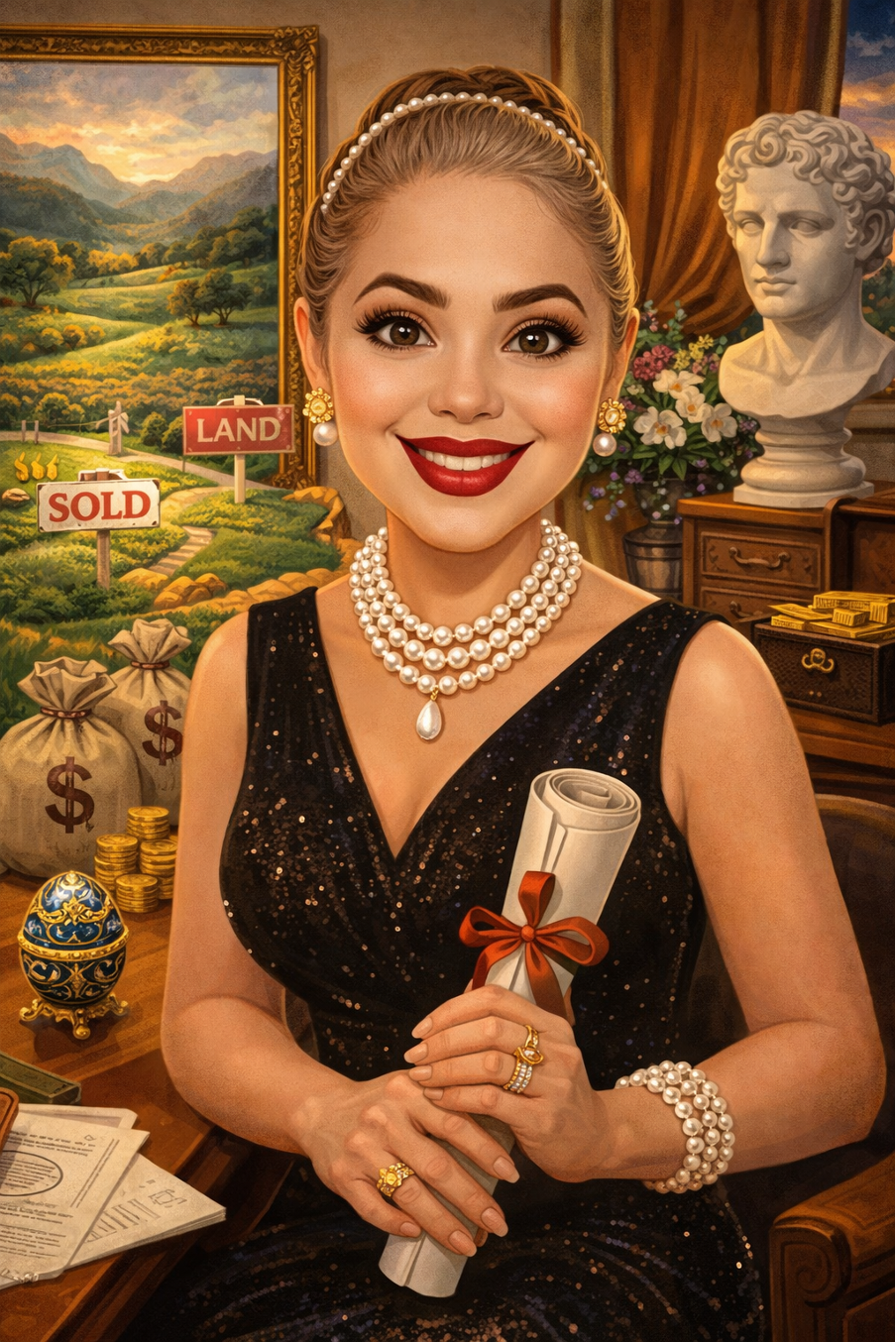
Photo courtesy of the author.
- Understated Style: Their fashion choices focus on high-quality, durable, and timeless pieces like tailored suits, wool, and corduroy, rather than trendy, logo-heavy clothing.
- Discretion and Privacy: They rarely discuss money, avoid flashy, branded items, and prioritize privacy over public validation.
- Focus on Heritage and Education: Family history, upbringing, and elite education hold high value.
- “Quiet” Consumption: They may drive older, reliable cars and live in comfortable but not ostentatious homes.
- Long-Term Perspective: They manage their wealth conservatively, considering future generations rather than immediate gratification.
- Comfort with Service: Often accustomed to domestic help, they treat staff with a familiar, sometimes detached, ease.
- Politeness and Etiquette: They adhere to traditional social rules, such as writing thank-you notes, and maintain a calm, measured demeanour.
On the other hand, “new money” (nouveau riche) is defined by recently acquired wealth. This is often evident in their loud, lavish, and public spending on luxury brands, cars, and homes. Typically self-made, these individuals are entrepreneurial and take high risks for quick returns. They’re more likely to openly enjoy their riches and flaunt their success on social media, which contrasts sharply with the more low-key, understated, generational approach of the old money. Here are the key characteristics of new money:
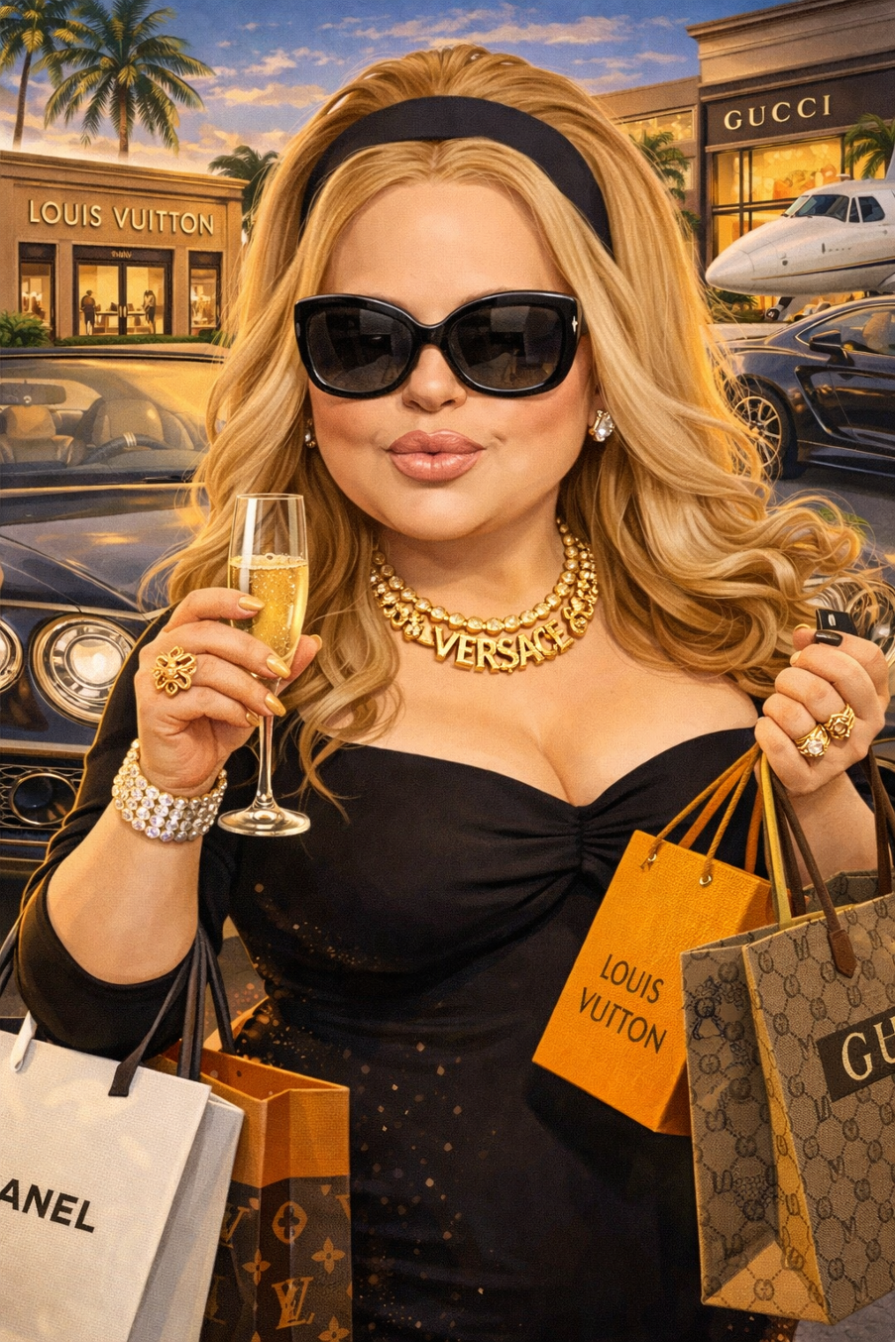
Photo courtesy of the author.
- Visible Success: They prefer showing off their wealth and living in the spotlight.
- High Social Media Usage: They frequently document their lifestyles online.
- Flashy Spending: They consume luxury items, branded clothing, and extravagant cars.
- Dynamic and Modern: They embrace innovation and new trends.
- Active Philanthropy: They often donate to charities.
- Entrepreneurial Risk-Taking: They often generate wealth through high-risk, high-reward business ventures.
Key differences between “old money” and “new money”:
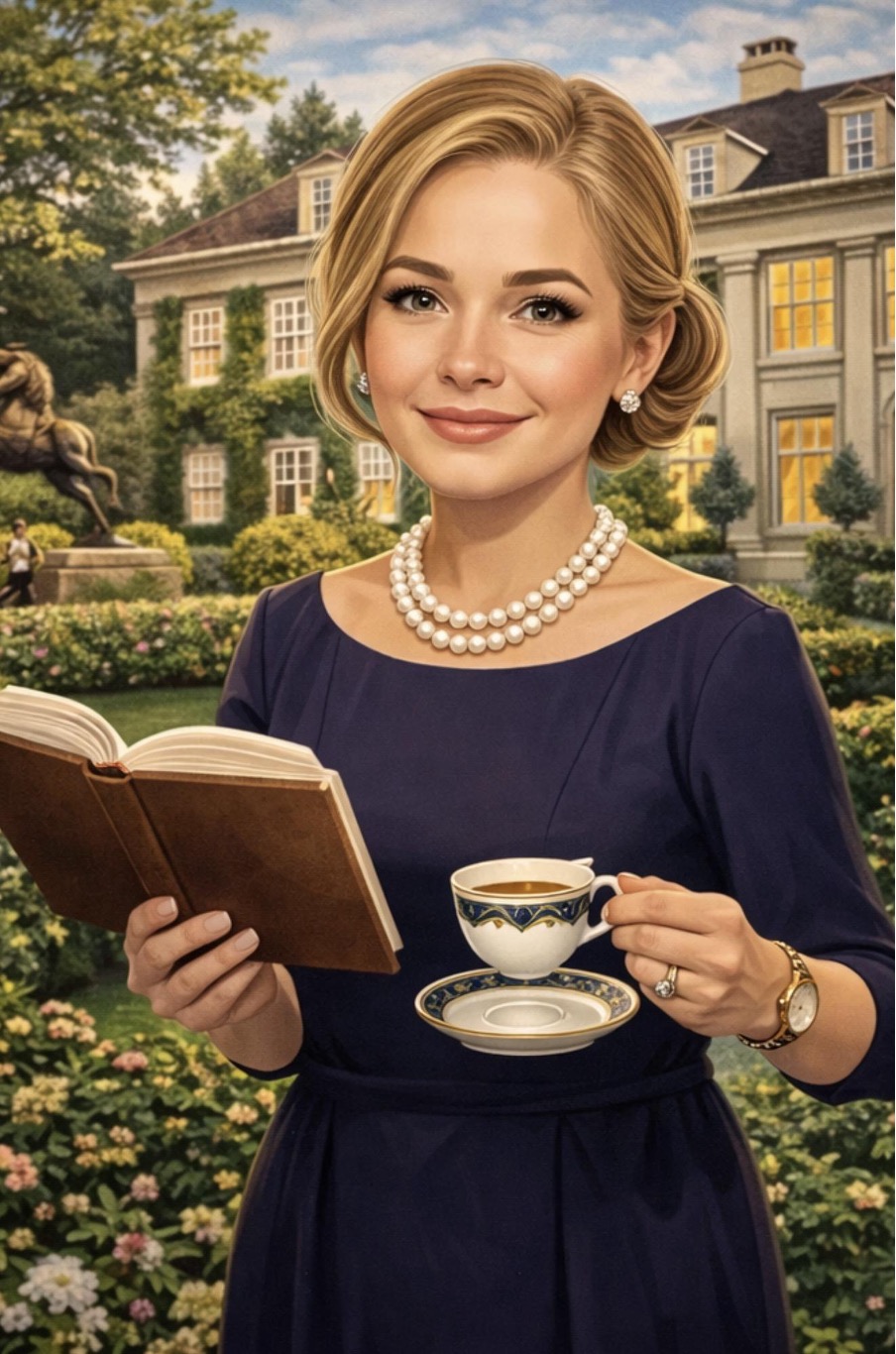
Photo courtesy of the author.
- Old money often leads to a more relaxed and less rushed pace of life, while new money is frequently linked to a fast-paced, high-stress lifestyle. They express wealth through “quiet success” rather than ostentation, sometimes surprising people with their frugality in daily expenses while indulging in experiences. Social interactions with old money are generally less insecure, as they don’t feel the need to prove their status.

Photo courtesy of the author.
- New money views money as a sign of success and freedom to enjoy, while old money often sees it as a responsibility to preserve for future generations. New money tends to be “loud,” while old money is generally quiet and discreet. Furthermore, new money is usually earned in one generation (think tech, entertainment, or sports), whereas old money is inherited over multiple generations.
However, most people don’t realize that true wealth isn’t tied to old or new money. It often revolves around time, health, and peace of mind, rather than material possessions. This true luxury includes slow mornings, guilt-free rest, deep relationships, and the freedom to choose how you spend your days. Essentially, it’s having control over your time and living a simple, peaceful life.
Here are the key real luxuries in Life:
- Time and freedom: the ability to control your own schedule, including waking up without an alarm, enjoying leisurely mornings, and not feeling rushed.
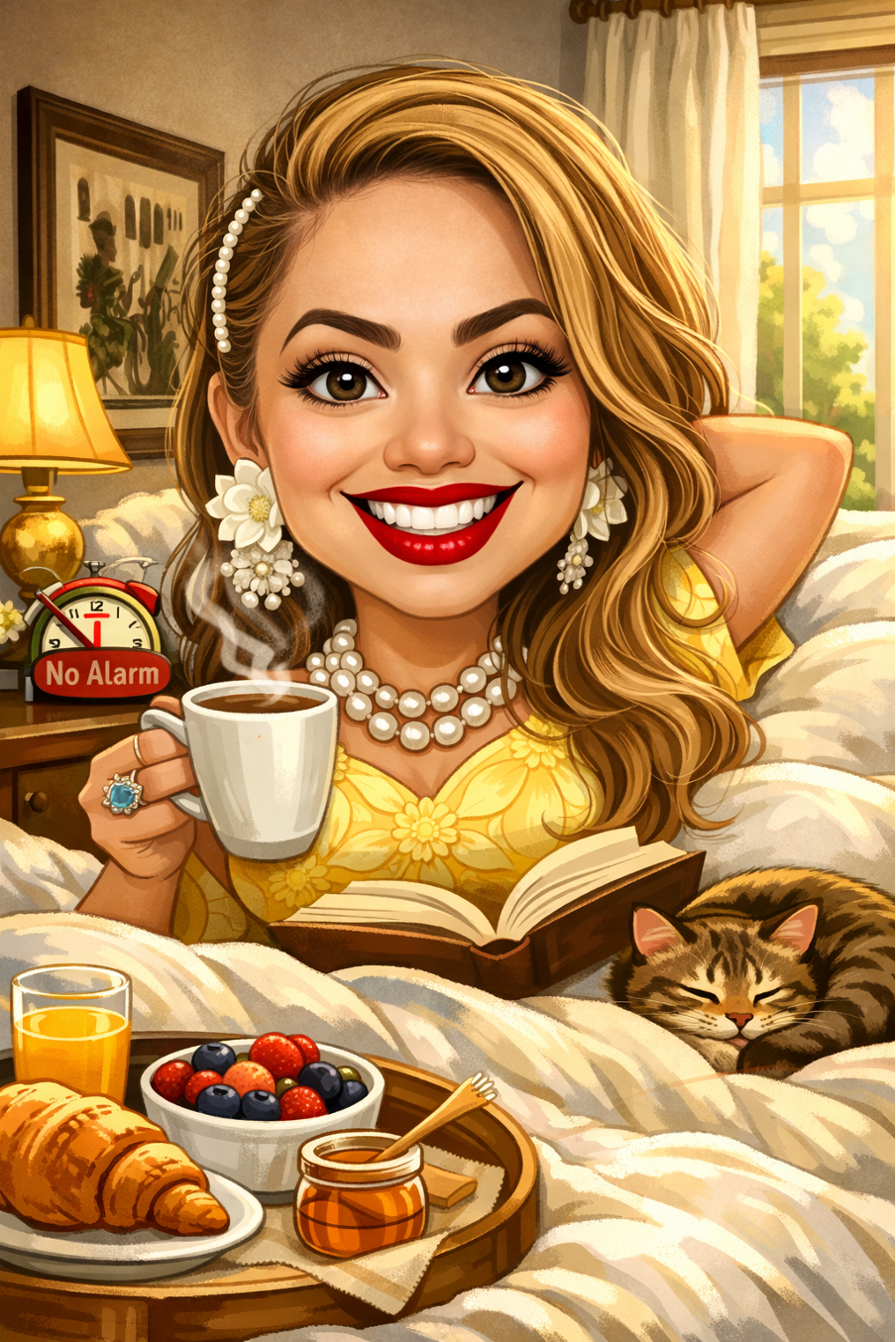
Photo courtesy of the author.
- Health: a clean bill of health encompasses physical and mental well-being, enabling you to fully enjoy life.

Photo courtesy of the author.
- Inner peace: this is achieved through a quiet mind, a clear conscience, and a life free from stress.

Photo courtesy of the author.
- Meaningful connections: genuine relationships are built through quality time spent with loved ones, and people who truly understand you.

Photo courtesy of the author.
- Simple joys: having simple pleasures include savouring home-cooked meals, losing myself in a book, and appreciating nature, like watching a sunset.

Photo courtesy of the author.
- Convenience and comfort are key: Living close to work, the gym, and amenities is ideal. Quiet neighbours and comfortable, functional items further enhance the experience.
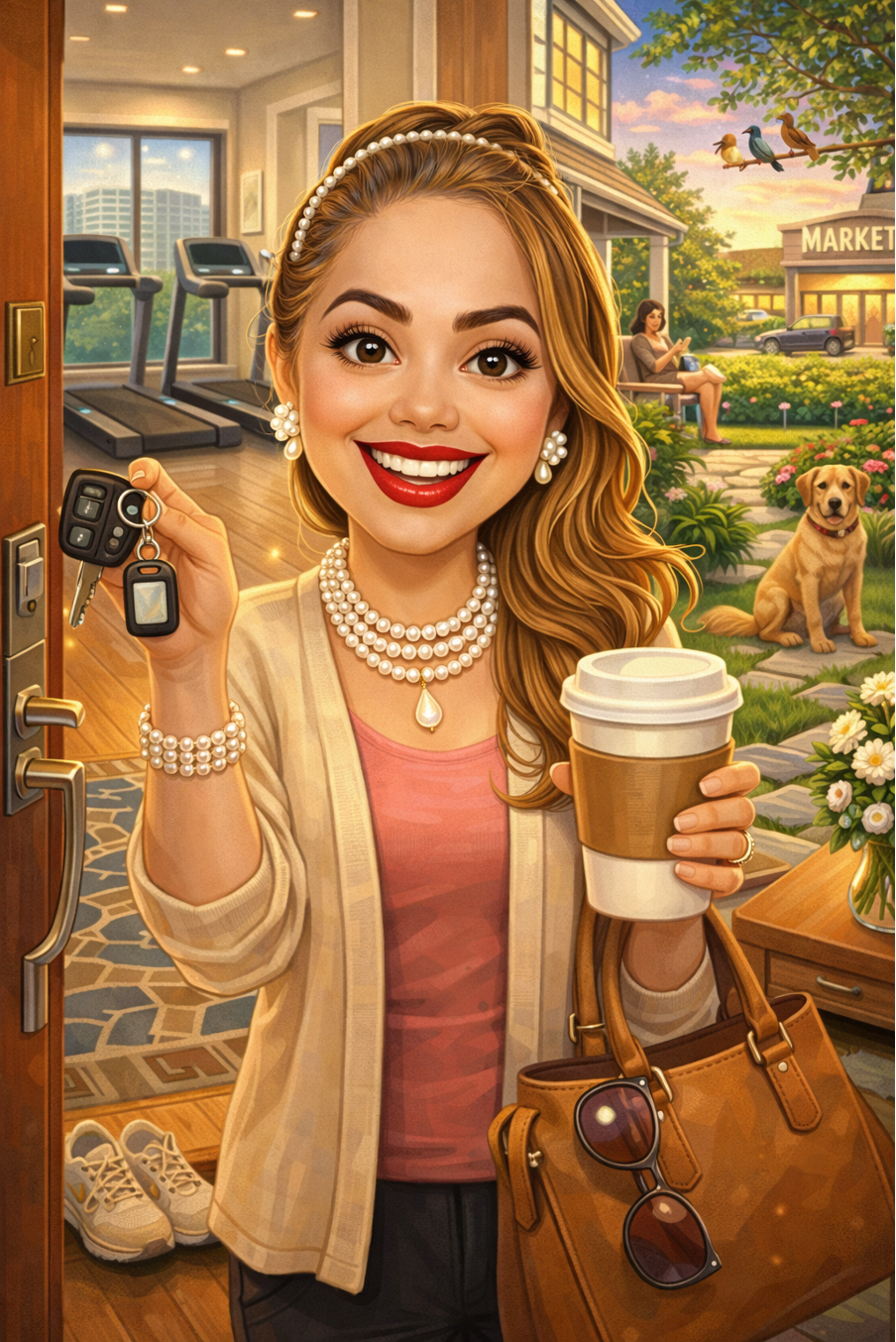
Photo courtesy of the author.
- Financial stability: this means having money left at the end of the month for investing, not just spending.

Photo courtesy of the author.
Yes, true luxury isn’t about expensive cars or designer brands. It’s about the things money can’t buy. The real luxuries in life are often the simple things we take for granted, like spending time with loved ones, enjoying good health, and appreciating nature’s beauty. They include time, leisurely mornings, meaningful connections, and the freedom to choose. Luxury is laughter, friendship, health, and the feeling of rain on your face. It’s hugs and kisses from loved ones, and the love you receive in return. Above all, true luxury is freedom.
True wealth isn’t measured by material possessions; it’s defined by contentment, character, and generosity. Quotes often describe the “real rich” as those who need the least, enjoy life, give back, and have strong relationships. They prioritize time and inner peace over money, suggesting that true wealth resides within. I leave you with a quote from an unknown source: “The richest man is not he who has the most, but he who needs the least.”