

Gwyn McClelland, The Conversation
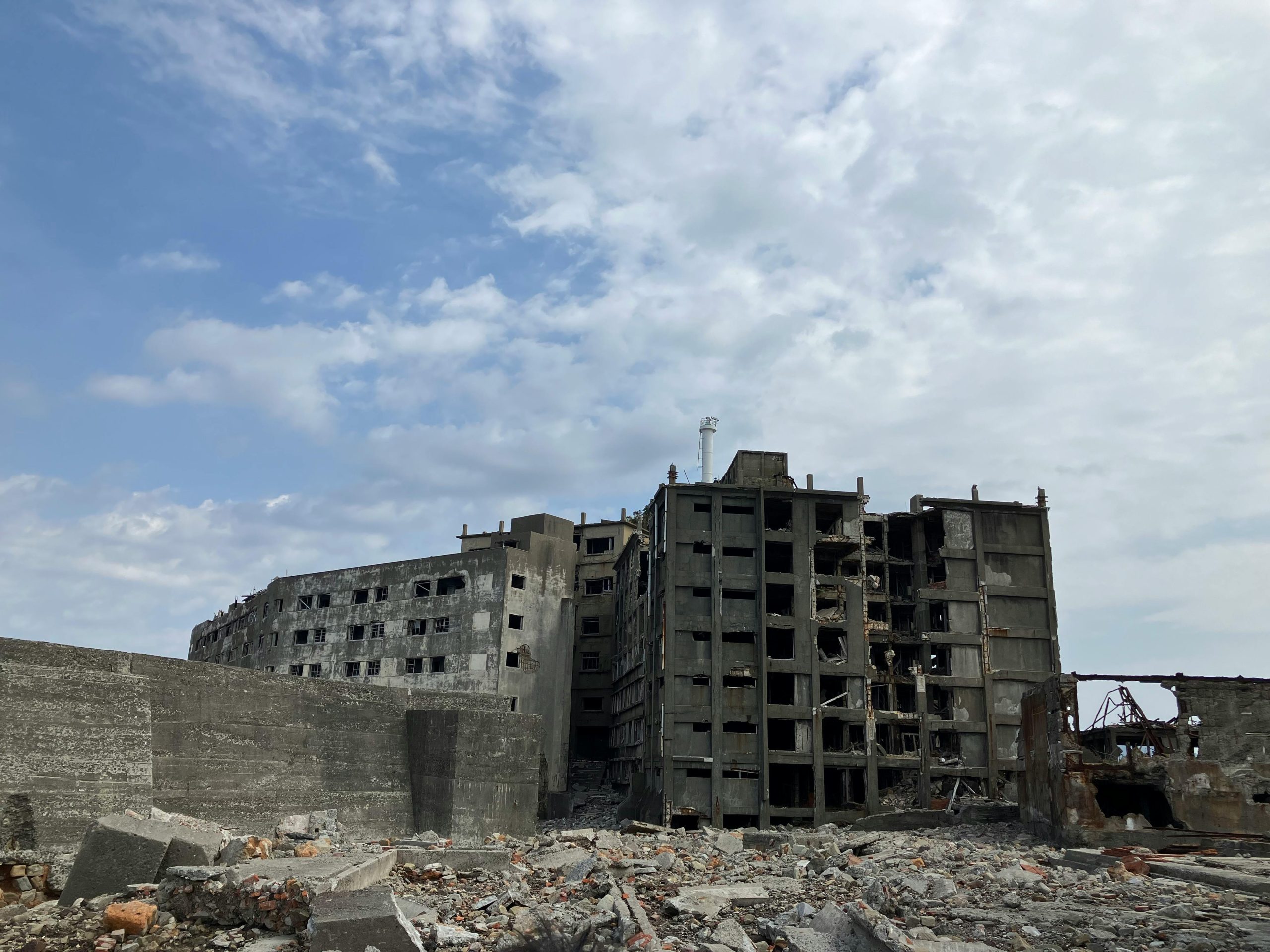
The bombing destroyed an area that was socio-economically less well-off, which had an impact on Nagasaki’s recovery, compared with Hiroshima. (Pexels photo)
At first, there might not seem to be any immediate similarities between a devastated Nagasaki after the US atomic bombing in 1945 and Gaza today, aside from massive destruction.
But in considering Gaza’s recovery from war – should the current ceasefire hold – much may be gleaned from Nagasaki’s experience and how it managed the painful process of starting over and rebuilding from virtually nothing.
Damage and destruction
The estimates of those killed from the atomic bombings in 1945 range widely from 70,000–140,000 at Hiroshima and 40,000–70,000 at Nagasaki.
In Gaza, the Palestinian health authorities say more than 67,000 Palestinians have died, with many more perhaps buried in the rubble.
In 1945, the US Army dropped an atomic bomb close to the centre of Hiroshima. But in Nagasaki’s case three days later, the plutonium bomb fell a few kilometres to the north of the city in a suburb called Urakami.
The bombing destroyed an area that was socio-economically less well-off, which had an impact on Nagasaki’s recovery, compared with Hiroshima.
Many of those who lived there were minorities, including colonised Korean people, Catholics and outcasts known as buraku.
And just as in Gaza, much of the city infrastructure was decimated. An atomic archive estimates that in Nagasaki, around 61% of city structures were damaged in the bombing, compared with 67% in Hiroshima.
In Gaza, the United Nations Satellite Centre estimates 83% of structures have been damaged from Israeli bombing.
Recovering bodies in a war zone
The aftermath of the bombing shows just how great the needs of the people were in Nagasaki. I conducted an oral history survey with bombing survivors between 2008 and 2016. Twelve of them – mostly children from Catholic families close to Ground Zero at the time of the bombing – detailed their experiences before and after.
After the bombing, many said the unburied dead was a confronting aspect, both physically and spiritually “dangerous”. One survivor, Mine Tōru, told me:
The dead bodies were piled in carts used for rubbish collection and dumped out in an outer area.
Barrels were placed at intersections for the collection of ashes and bones. Meanwhile, the occupying US Army cleared Urakami with bulldozers.
In Swedish journalist Monica Brau’s book, a man named Uchida Tsukasa remembered those bulldozers driving over the bones of the dead in the same way as sand or soil. When someone tried to take a photo, a soldier pointed his gun and threatened to confiscate the pictures. Brau argued that US censorship grossly impaired the recovery in Hiroshima and Nagasaki.
The clean-up and retrieval of human remains took time. Some six months after the bombing, bones were still being pulled out of the river by a Buddhist Ladies’ Association.
This process is beginning in Gaza today, too. According to news reports, scores of bodies have already been pulled from the rubble since the ceasefire took hold. Estimates suggest there could be as many as 14,000 bodies in the rubble, many of which will never be recovered.
The political challenges of rebuilding
In rehabilitating Gaza, those overseeing the process will also need to ensure the civil liberties of the poor – children and women, in particular – are not infringed upon.
In Nagasaki, some bomb survivors were forced to live in caves that had previously been bomb shelters, including three of those I interviewed.
Fukahori Jōji, who was 16 at the time of the bombing, lost his whole family, including three siblings and his mother. He told me that after the bombing, urban revitalisation and road-widening took over part of his family’s land.
Nagasaki officials were alleged to have used the reconstruction to “clean up” an outcast community.
A writer, Dōmon Minoru, explained how land was acquired compulsorily and cheaply by the council, forcing many residents out: “the Urakami burakumin (outcasts) were neutralised”.
Their landlords sold the land where they had lived and the Nagasaki Council even did away with the name, Urakami town.
As will likely be the case in Gaza, the people of Nagasaki also had to rebuild under an occupation.
US historian Chad Diehl’s powerful book about the rebuilding highlighted the “disconnect” between the American occupiers and Nagasaki residents.
The rebuilding took decades. Diehl explained there are two words for recovery often used in Nagasaki, saiken (reconstruction), which usually refers to the physical rebuilding, and fukkō (revival), which refers to wellbeing – psychological, social and physical.
The wellbeing recovery will surely take even longer than the rebuilding of the physical infrastructure in Gaza.
Hope among the rubble
Another important aspect in recovery from war: the people need to have agency over the process. They shouldn’t just be thought of as survivors of a tragedy – they are integral to the revival of their communities.
Reiko Miyake, a teacher who was 20 at the time of the Nagasaki bombing, told me she returned to teaching at her elementary school a few months later. Only 100 of the 1,500 students at the school survived, and just 19 showed up on the first day.
As holders of memory, these people took on new roles of service for their communities. They were storytellers and rebuilders seeking hope in the face of unbearable loss and ongoing lament.
May such stories of the past encourage the difficult task of recovery in what is a bereft Gaza today.
This article is republished from The Conversation under a Creative Commons license. Read the original article.





















