

By Steven David Pickering, Brunel University of London; The Conversation
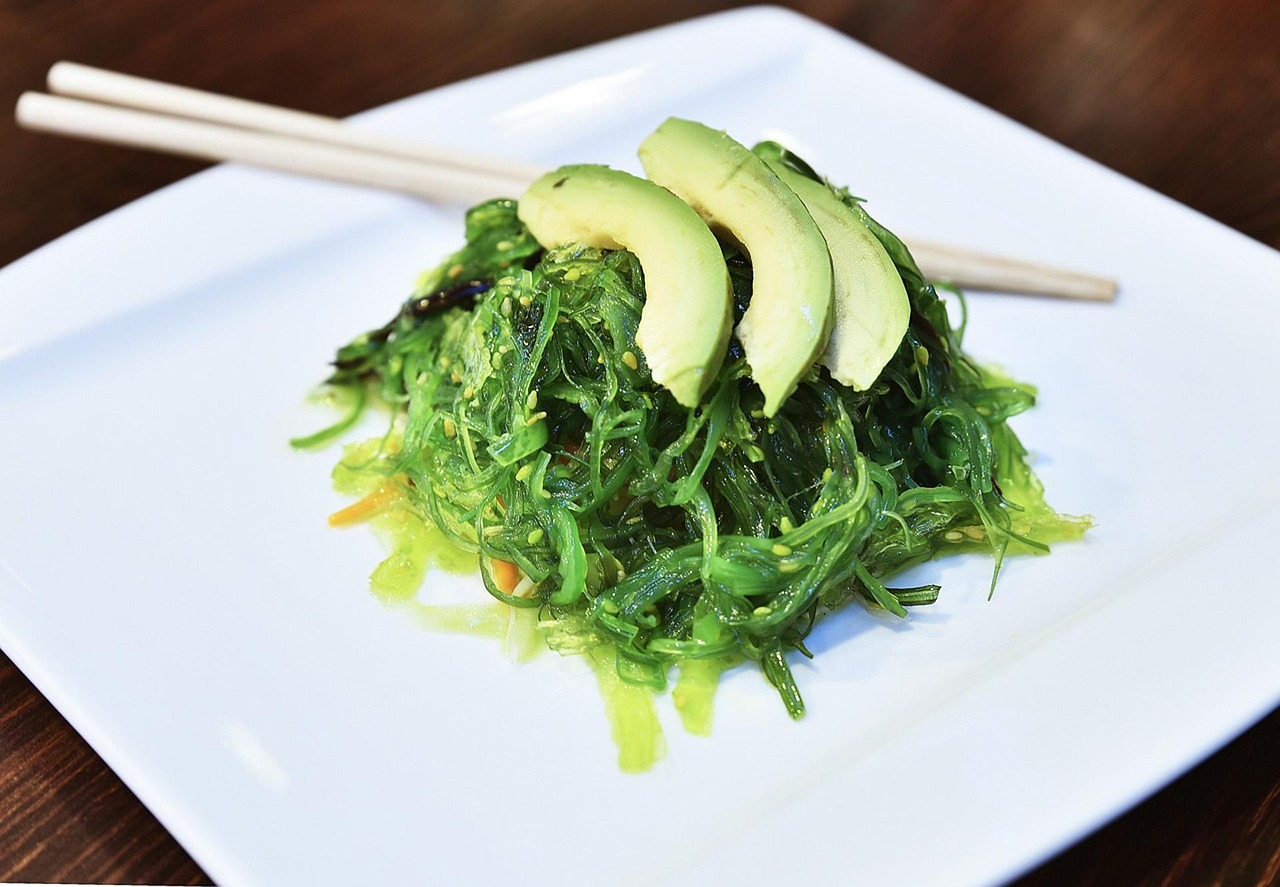
But seaweed snacks are far from mainstream, especially in countries like the UK. (Pixabay Photo)
Seaweed is one of the few foods that can credibly claim to be good for both people and the planet. So why don’t westerners eat more of it?
It’s rich in vitamins, minerals, omega-3 fatty acids and fibre. It grows without fertilisers, pesticides or fresh water, and requires no farmland. Some species even capture carbon from the atmosphere and help counter ocean acidification.
From an environmental and nutritional standpoint, seaweed seems like an obvious choice for a sustainable diet. Yet in much of the west, it remains a fringe ingredient, appearing far more often wrapped around sushi in a restaurant than in a household’s weekly meals.
My team has been investigating this gap between seaweed’s potential and its place in everyday diets. Our aim was to find out why people in some countries eat seaweed regularly and why others do not.
Even actor Samuel L. Jackson has recently been promoting the virtues of seaweed snacks sourced from reefs beneath offshore windfarms. But seaweed snacks are far from mainstream, especially in countries like the UK.
Some of my computational social science students worked with the Europe-wide seaweed association North Sea Farmers to develop a campaign to encourage people in the Netherlands to eat more seaweed. They quickly realised that before trying to persuade people to eat more, it was important to understand the reasons they might not be eating it already.
This question was the focus of our new study surveying people living in both the UK (where seaweed is rarely eaten) and Japan (where it is a daily staple). By comparing the answers, we could separate cultural familiarity from other social and psychological factors that might influence consumption.
We didn’t just ask whether people eat seaweed. We explored how often they eat it, how easy they think it is to buy, how likely they are to eat it in future, and how healthy they believe it to be.
We also looked at their education, gender, age, political orientation, willingness to take risks, ethnic background in the UK, and levels of trust in institutions. These factors are often linked to openness to new foods and could help explain differences between countries.
Some results were not too surprising. Japanese respondents ate seaweed far more often than their British counterparts, found it easier to buy, and were more willing to eat it in the future. In both countries, people who were more willing to take risks, including trying unfamiliar foods, were more likely to eat seaweed.
But the really interesting differences lay in who those seaweed-eaters were. In the UK, consumption was higher among ethnic minorities and university graduates, and it tended to appeal more to those on the political left.
In Japan, it was more common among women and those on the political right, reflecting its place as a traditional food rather than an alternative one. Trust in government, scientists or social media played a smaller and less consistent role, and the patterns varied between countries.
In Japan, trust in government was linked with seeing seaweed as healthy, while in the UK there was no similar link. These contrasts probably reflect how seaweed is framed in each country’s media and cultural narratives.
The way forward
Seaweed is not simply another fashionable superfood. Its potential role in sustainable food systems is supported by strong evidence.
It has a low environmental footprint, can be cultivated at scale, and can improve the nutritional value of other foods when used as an ingredient. However, our research shows that making seaweed more available or promoting its health benefits will not automatically increase its use.
In the UK, familiarity is a major barrier. People may have access to seaweed products yet still avoid them if they do not feel part of their cultural food landscape. In Japan, where familiarity is high, the challenge lies in ensuring younger generations keep eating it as diets become more westernised.
For countries with little tradition of eating seaweed, our research suggests the way forward is to integrate it into familiar dishes, use clear labelling and recipe ideas, and present it as an attractive and approachable option.
Public figures, as Samuel L. Jackson has shown, can play a role in normalising it. In countries with a strong seaweed tradition, there is room for innovation to keep the ingredient relevant and appealing in changing diets.
Addressing global environmental challenges requires more than good science. It requires understanding people’s habits, values and motivations, and finding ways to work with them to create change.
If seaweed is to move from occasional novelty to a regular part of diets in countries where it is unfamiliar, the evidence suggests that cultural connection will be as important as nutritional value or environmental benefit.
Steven David Pickering, Honorary Professor, International Relations, Brunel University of London
This article is republished from The Conversation under a Creative Commons license. Read the original article.




















