

By Steve Fletcher, University of Portsmouth and Antaya March, University of Portsmouth; The Conversation
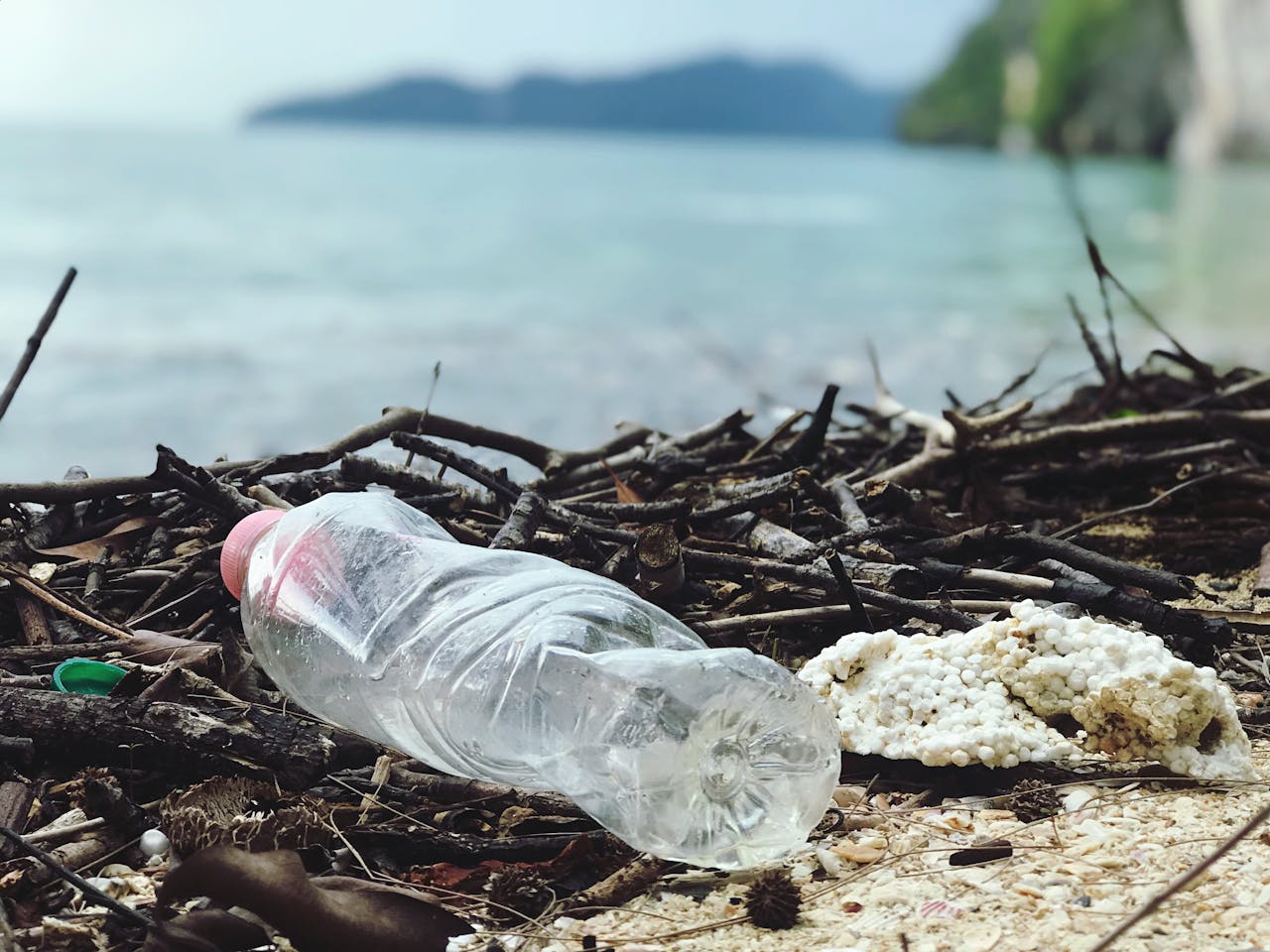
The goal set by the UN in 2022 to end plastic pollution across its full life cycle is still achievable. (Pexels Photo)
The latest round of negotiations for a UN global plastics treaty has ended without a deal. After more than three years of talks, deep divisions remain. Agreement is only marginally closer than before talks began. For many countries, campaigners and observer organisations, the outcome is deeply disappointing.
After the final intense meetings which went through the night in Geneva, the chair of the intergovernmental negotiating committee that governs the treaty discussions formally closed the session on August 15 without agreement on the treaty text. This is not the end. The process has not collapsed.
However, there is no confirmed date or venue for the next round of negotiations and no mandate for formal intersessional activities. Many delegates called for a period of reflection and even a reset of the process to allow for a refreshed approach.
As in previous negotiation rounds, progress was slow. Talks were hampered by procedural ambiguity, deliberate delay tactics from fossil fuel and petrochemical countries opposing an ambitious treaty, and the sheer complexity of the issues on the table. Time ran out before a consensus could be reached.
As the talks wrap up, we reflect on three aspects that contributed to this ongoing deadlock:
1. Chair’s efforts fell short
Ambassador Luis Vayas Valdivieso took a more active role than in earlier sessions, pushing the pace and producing two draft treaty texts to focus debate. The first draft omitted key provisions, including limits on plastic production, global rules for regulating plastic products, controls on harmful chemicals and strong financing arrangements.
Many high-ambition countries pushing for strong measures and outcomes, rejected the first draft as imbalanced, unambitious and unfit for further discussion. A second draft, issued just before 1am on the final night after intense consultations, included some improvements but still left out these core elements. Many nations again saw it as one-sided, tilted towards the demands of lower-ambition countries and petrostates.
2. Entrenched positions remain
Throughout the negotiations, lower-ambition states gave little ground. They refused to compromise on their “red lines” while expecting others to give up on theirs.
This repeated familiar arguments over the purpose and scope of the treaty, despite these having been outlined in the UN mandate to deliver the treaty three years ago. Many believe a different approach is needed that focuses more time on points of disagreement, rigorously tests opposing arguments, and actively seeks areas of compromise.
3. Reluctance to vote
The process still relies on consensus for decision-making. In the final plenary, many delegates, particularly those with economic interests in plastics, stressed that consensus is essential. Yet over the past three years, some delegations have urged the chair to break deadlocks by moving to a vote – a rule of UN negotiations that must be applied when consensus cannot be reached.
Voting is seen as politically explosive, with serious implications for multilateralism. So far, the chair has resisted calling a vote, and higher-ambition countries have not pressed for it either, despite their repeated statements about urgency and ambition. Beyond rejecting treaty texts they considered weak, many did not use the tools available to them to push for a stronger outcome. As a result, stalemates have persisted.
The road ahead
The intersessional period – the time between now and the next formal meeting – is critical. Without a fixed date for the next stage of the process, this is the time to reset and prepare for decisive progress. One key focus must be to bridge political divides. High-ambition countries need to build broader alliances and find shared ground with those who may not fully back their vision but are open to stronger action.
Key details such as financing mechanisms, monitoring and reporting systems, and legal models for compliance should be developed now, outside formal negotiations, to save time later. And higher-ambition nations such as those in the EU, Panama, Colombia, Australia, the UK and small island states should coordinate more closely and be willing to use procedural tools such as voting when needed, even if politically uncomfortable.
The goal set by the UN in 2022 to end plastic pollution across its full life cycle is still achievable. But it will require governments to use the coming months to regroup, have frank political discussions and commit to a more decisive approach when they next meet.
The world cannot afford another round lost to procedural deadlock. The plastics crisis is worsening. The science is clear. The solutions are well known. What is missing is not knowledge, but the will to match words with binding action.
Don’t have time to read about climate change as much as you’d like?
Get a weekly roundup in your inbox instead. Every Wednesday, The Conversation’s environment editor writes Imagine, a short email that goes a little deeper into just one climate issue. Join the 45,000+ readers who’ve subscribed so far.
Steve Fletcher, Professor of Ocean Policy and Economy, University of Portsmouth and Antaya March, Director – Global Plastics Policy Centre, University of Portsmouth
This article is republished from The Conversation under a Creative Commons license. Read the original article.




















