
Environment & Nature
Plastic pollution is still a problem. A UN meeting in Geneva is hoping to change that

By Bridget Stringer-Holden, CBC News, RCI
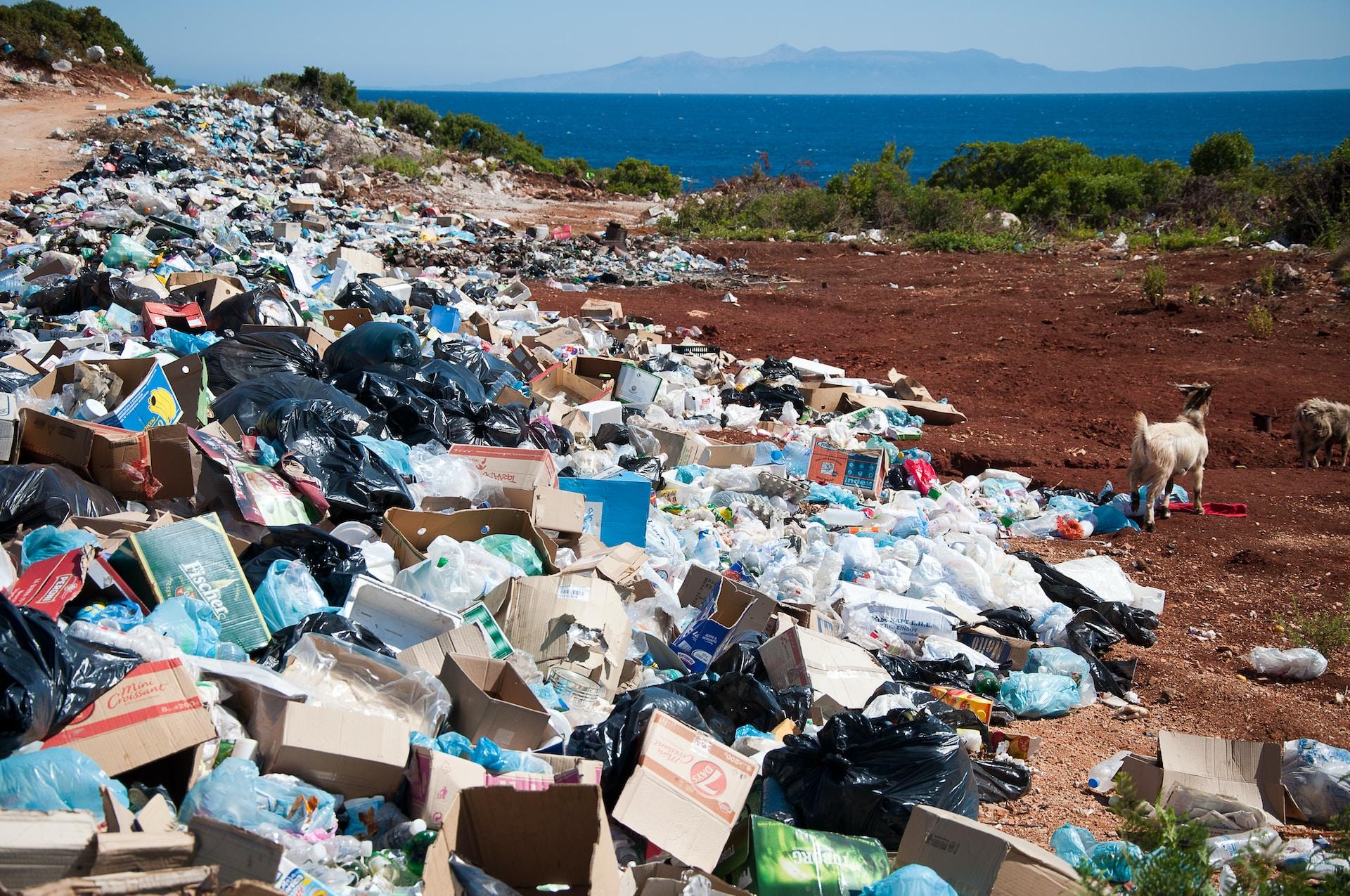
Greenpeace is calling for at least a 75 per cent reduction in plastic production by 2040. (File Photo: Antoine GIRET/Unsplash)
Countries gather from Aug. 5 to 14, with hopes of finalizing and passing a legally binding global agreement
On Thursday, Tony Walker will be heading to Geneva.
The Dalhousie University professor will be meeting with the UN Intergovernmental Negotiating Committee (INC), which is in its sixth round of talks over an international, legally binding treaty on plastic pollution. The session started Tuesday and is scheduled to take place until Aug. 14, with 175 countries — including Canada — at the negotiating table.
While Walker says Canada has made progress in fighting plastic pollution, he believes the country — and the world at large — can do much more. In terms of global talks, he says he is concerned about countries like Saudi Arabia or Iran blocking a consensus.
Starting next week, if we eliminated all sources of plastic and plastic production in Canada, we’re just one country,
he told CBC News.
We have a tiny population relative to the rest of the world, and the way that the global economy is established now, we’re all trading partners — we still need to procure things from overseas.
Walker says Canada’s INC negotiating team has had debriefs with experts like him before and after every meeting.
The original committee deadline was in December 2024 in Busan, South Korea. However, deep divisions between countries meant they didn’t come to agreement.
Luis Vayas Valdivieso, chair of the negotiating committee, told The Associated Press, We are pretty sure nobody wants plastic pollution. Still, we have not been able to find a systematic and an effective way to stop it.
Experts say we need to act now
Ever since the negotiations began three years ago, we’ve learned so much more about the environmental impacts and the health impacts of plastics, especially microplastics,
said Walker.
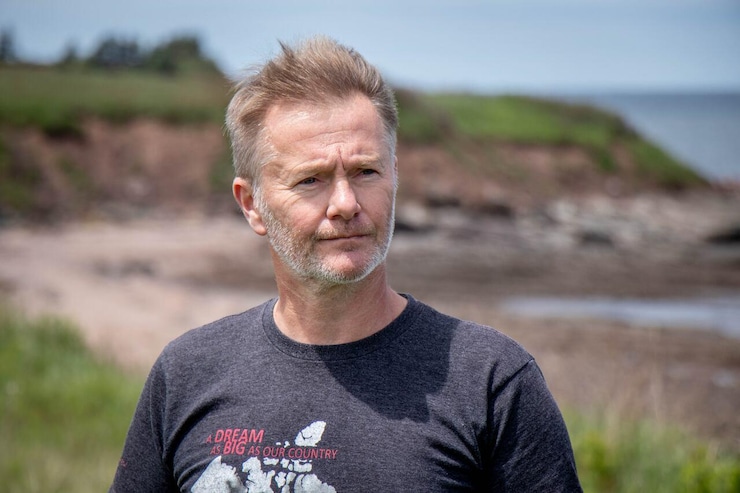
Dalhousie University researcher Tony Walker says it’s more urgent than ever before that the world come to an agreement about plastic pollution. Photo: CBC / Robert Short
He says it’s more urgent than ever before that the world come to an agreement about plastic pollution.
It’s not just an aesthetic problem on our beaches and in our streets, but it’s in every single organism that we’ve studied so far, including ourselves.
He said one of the major sticking points in Busan was a group of petroleum-producing countries with a vested interest in producing plastics. He believes they don’t want caps on plastic production because they think it’ll hurt their economies.
But that’s so incredibly short-sighted when we know we have a plastic pollution crisis, which is actually impacting planetary health and also human health,
he said.
Other experts and groups are also urging more action.
Greenpeace is calling for at least a 75 per cent reduction in plastic production by 2040.
The Lancet Countdown on health and plastics, published in Health Policy on Aug. 3, 2025 estimates that less than 10 per cent of plastic created has ever been recycled and that 8,000 megatonnes of plastic now pollutes the planet.
Coming to a consensus
Canada is one of the members of the High Ambition Coalition, a group of countries aiming to end plastic pollution by 2040.
Walker says that Canada’s position has always been very strong on plastic pollution, and that they were one of the first signatories to a legally binding global agreement.
On our west coast, we’re a petroleum producer,
says Walker. But still, our government negotiators consider human health and planetary health more important.
Christa Seaman, vice-president of plastics at the Chemistry Industry Association of Canada, is on the ground in Geneva as an observer — listening to the negotiations and answering technical questions, as needed. She’s there to represent industry, and is observing alongside environmental groups, Indigenous nations and science coalitions.
There’s lots of energy…. All the parties are really committed to working towards finalizing an internationally legally binding instrument to end plastic pollution,
she said.
It’s really exciting to actually be able to participate and listen in on the negotiations and what’s hopefully going to be a historic event.
The agreement that we’re hoping for, as industry, will be one that focuses on ending plastic pollution while allowing society to continue to benefit from plastics,
said Seaman.
She’s heard conversations about waste management, extended producer responsibility and product design.
Her main concern is that she doesn’t want perfection to get in the way of progress. She said there have been some points of contention in the past, but that the focus — at least on the first day — seems to be on finding points of convergence and agreement between countries.
Having a treaty will ensure that everybody is implementing the same thing, that we are all moving in the same direction,
said Seaman, who says she is optimistic about all nations working toward an agreement.
That’s going to be critical if we want to not only get the circularity, but end plastic pollution.
More than just waste management
Tim Rodgers, a postdoctoral fellow at the University of British Columbia, says the current negotiations in Geneva are important because of the existing gaps in how chemicals in plastics are measured and managed around the world.
He hopes that a global agreement will help fill some of those gaps.
He says there needs to be more transparency around what’s in products, like tires, and the whole life-cycle of plastics — not just waste management.
If you have something that’s only covering the end of life for these compounds, I think that’d be a real missed opportunity,
said Rodgers.
You have to be thinking about what’s happening at the beginning in order to have good waste management.
With files from The Associated Press
This article is republished from RCI.




















