
Canada News
Drowning in risk, Ottawa must fund a national flood insurance program

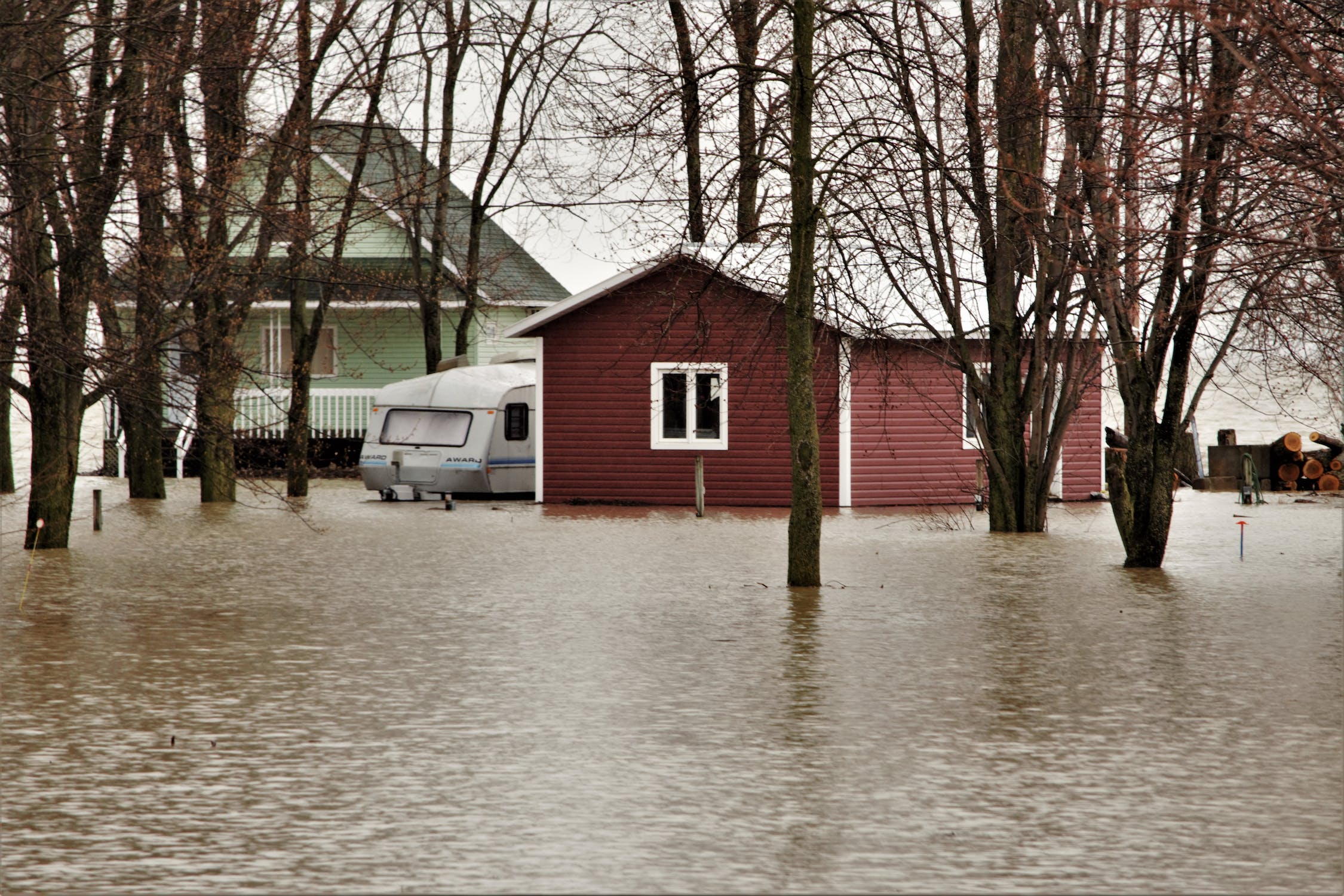
Flooding is one of Canada’s costliest insured perils, averaging about $850 million in losses annually since 2013. (Pexels photo)
The deadly and devastating early July floods in Texas – which claimed more than 130 lives, displaced thousands of people, overwhelmed infrastructure and will end up causing billions in damage – are a vivid reminder of how quickly a deluge can become a national emergency.
It has happened in Canada, too. In 2013, Calgary experienced one of the worst natural disasters in our country’s history. A devastating flood forced the evacuation of 80,000 people and destroyed thousands of homes and businesses. Tragically, five people lost their lives.
The sheer cost of that disaster spurred a national conversation, beginning with the national roundtable on flood risk in 2017 and advancing through the task force on flood insurance and relocation, which I co-chaired. The task force’s final report was published in 2022.
Flooding is one of Canada’s costliest insured perils, averaging about $850 million in losses annually since 2013.
Meanwhile, about 10 per cent of Canadian households lack access to affordable flood insurance, leaving Ottawa to cover losses through the disaster financial assistance arrangements (DFAA) program. This places flood risk directly on the government’s books.
The 2023 federal budget announced $31.7 million in funding to establish a new Crown entity (referred to as “Canada Re” by the insurance industry) to manage the high-risk residential flood insurance program. However, the expected funding for the program itself did not materialize in the 2024 budget.
During the April election campaign, the governing Liberals committed $450 million over five years to launch the program by April 2026. The Mark Carney government must now follow through on this commitment by funding the program and starting it within the year.
In addition, five steps need to be taken:
- DFAA must be reformed by converting it into a public-private partnership.
- Ottawa should update flood risk maps and create a public-facing portal to better identify and communicate flood risk.
- Municipalities must stop permitting building in high-risk zones.
- Building codes and standards must be updated.
- Flood risk must be mitigated at both property and community levels.
Research by the C.D. Howe Institute suggests one of the reasons that Canadians pay among the highest homeowner insurance premiums in the developed world is the absence of a disaster risk-sharing framework between the insurance industry and government.
Most other advanced economies offer enhanced protection to consumers while financially shielding the industry from catastrophic losses. Otherwise, the insurance industry must house all disaster risk on its balance sheet, passing the associated capital costs on to consumers in the form of elevated premiums.
So how do we better protect Canadians from rising disaster risk while simultaneously ensuring sound fiscal management?
The federal government must reform DFAA by converting it into a public-private partnership that leverages the insurance industry’s expertise in product distribution and claims management, lowering costs for taxpayers, improving service for households and enhancing efficiency.
For the reformed framework to be fiscally sustainable, a suite of complementary measures is required that involve all levels of government, the insurance industry, the broader financial sector and households themselves. Five such mechanisms must work in concert.
Floods, fires and mudslides: The climate-insurance crisis in real estate
First, DFAA must be reformed to eliminate perverse incentives. Currently, it compensates uninsured households while penalizes those who purchase flood insurance. Households that are eligible for the new flood insurance framework should be ineligible for DFAA payments, encouraging responsible risk management.
Second, the federal government must update flood risk maps and create a public-facing portal to better identify and communicate flood risk. This will enable real estate agents, mortgage lenders and households to understand asset values, calibrate insurance costs and assess the benefits of flood risk mitigation investments.
Third, municipalities must stop allowing building in high-risk zones where the provincial and federal governments bear the losses through the DFAA. The reformed framework must discourage high-risk construction through flood-aware land use planning and permitting, disqualifying developments in flood-exposed zones from DFAA support.
Fourth, beyond making better decisions about where to build, we also need to improve how we build. Building codes and standards must be updated to ensure new homes are resilient to flooding without significantly increasing construction costs, which are already high.
Finally, flood risk must be mitigated at both the property and community levels. Households need incentives to retrofit homes for flood resilience. Provinces must invest in infrastructure to enhance community-level flood protection.
Natural disasters are involuntary. But financial protection and resilience are choices.
Reforming DFAA into a made-in-Canada, best-in-class flood insurance framework is within reach. All federal parties should commit to this reform, which is carefully designed to protect Canadians while shielding taxpayers from excessive liability.
This article first appeared on Policy Options and is republished here under a Creative Commons license.




















