
Canada News
Report on the First Days of the RTC Strike During the Québec Summer Festival

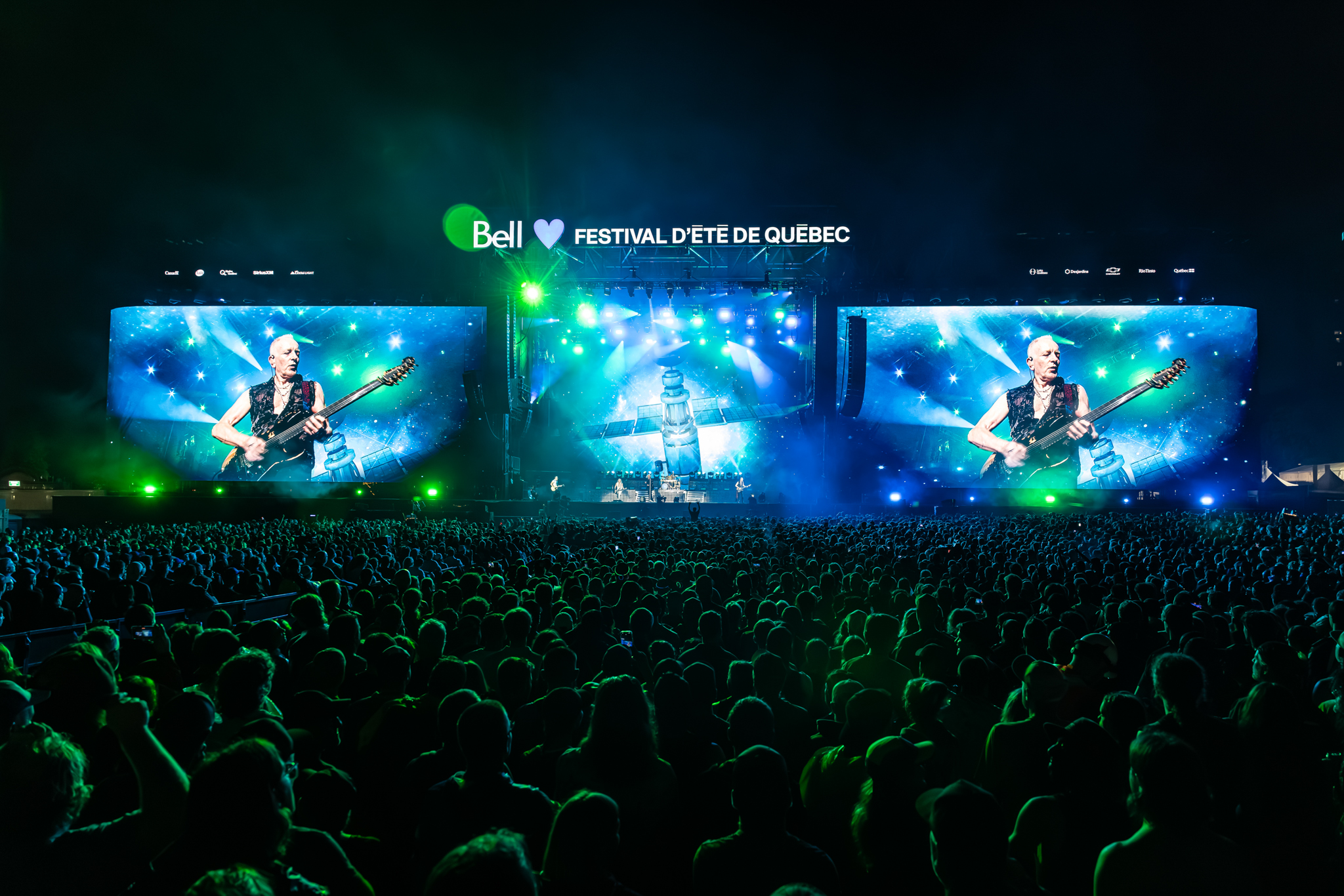
Québec City, July 7, 2025 – Thanks to the collaboration of citizens, numerous partners, and all municipal services, the first days of the Québec Summer Festival (Festival d’été de Québec – FEQ) have overall gone well, despite a unique situation. The absence of regular services from the Réseau de transport de la Capitale (RTC) has certainly made transportation more complex, but no significant incidents have been reported. Road congestion remained comparable to previous years, even though attendance reached full capacity.
Measures Implemented by the City
To ensure the mobility and safety of festivalgoers, several additional measures were put in place alongside the usual ones deployed during FEQ.
First, the City strongly encouraged carpooling, walking, and cycling. Strategically located stations for the àVélo bike-sharing service were heavily used.
Secured bike lanes were added on Grande Allée and Bougainville Avenue. These temporary lanes were widely used by thousands of cyclists each evening, showing a real enthusiasm for active transportation. To further support cycling, parking spaces were made available near the main festival sites, particularly on Saint-Louis Street and in Jeanne-d’Arc Park.
Two quick drop-off zones were also established on the outskirts of the festival perimeter—at Gare du Palais and on Moncton Avenue—to facilitate arrivals and departures.
A map listing available parking spaces near the area was distributed to help citizens plan their routes. The use of these parking spaces was monitored in real-time, and updates were shared with drivers through nine variable message boards and officers stationed in the field.
To maintain access flow during peak hours, emergency lane corridors were established. These corridors, reserved for emergency vehicles and taxis during arrival times, were open to everyone when leaving, which helped reduce congestion after shows.
The Québec City Police Service deployed officers to manage traffic at strategic points and coordinate field operations. Additionally, over 100 real-time adjustments were made daily to City-owned traffic lights, coordinated by the arterial traffic manager to optimize flow.
In addition to the inter-service coordination unit that has been active since mid-May, a potential exceptional situation was declared on June 19, 2025, to bring in key players during the event. Also during the festival, two coordination centers were opened each evening to closely monitor the situation and make rapid adjustments when needed. These centers maintained constant communication between municipal services and partners.
Observations from the First Nights of FEQ
Early observations from the festival show clear signs that attendees adapted well. Many arrived earlier than usual to the venues, which helped spread out the movement of crowds in the early evening. Most people opted to park on the outskirts of the festival zone, which helped reduce traffic in the most congested areas. The most popular parking spots reached full capacity quickly—between 7:00 p.m. and 7:30 p.m.—particularly on the nights of July 4 and 5.
Meanwhile, the àVélo bike-sharing service saw record usage, reflecting a strong interest from citizens in active, urban-friendly transportation. The City also highlighted the high availability and cooperation of taxi drivers, which contributed positively to the festival experience.
Thanks to Citizens and Partners
The City of Québec extends its gratitude to citizens, festivalgoers, and all municipal partners for their strong collaboration since the start of the Festival. Their adaptability, patience, and active participation have ensured the success of the festivities, even under exceptional circumstances. This collective effort highlights the resilience and commitment of the community.
All these measures will remain in place for the duration of the RTC strike, to support mobility, facilitate access to the Québec Summer Festival, and ensure a smooth event until its conclusion.




















