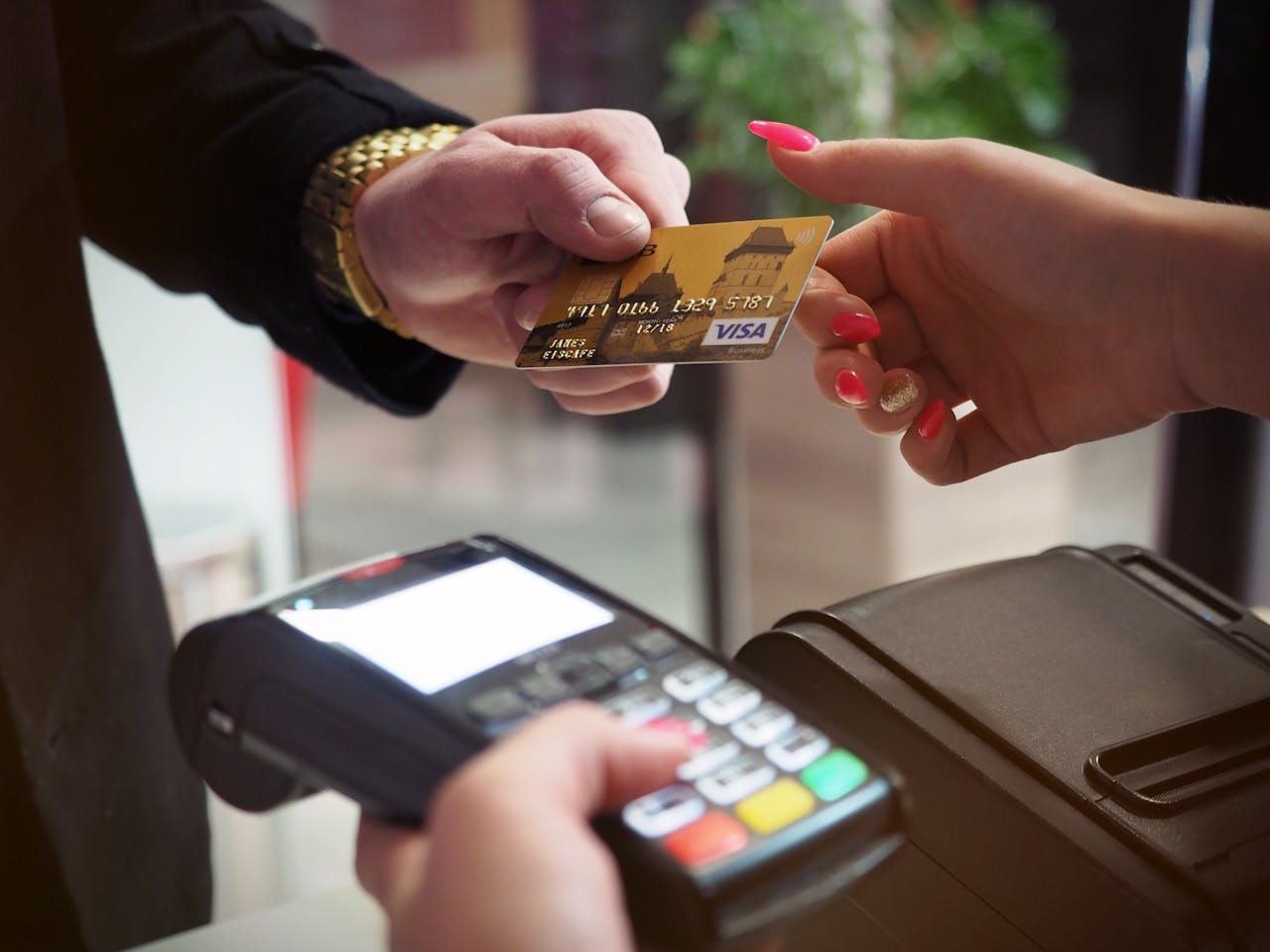
With timely repayments, this short-term credit option is free from interest and fees. (Pexels Photo)
By Anita Lifen Zhao, Swansea University; Philippa Ward, University of Gloucestershire, and Ruffin Relja, University of Gloucestershire, The Conversation
Many consumers – especially gen Z and millennials – use buy-now-pay-later (BNPL) to split or defer payments. The types of purchases made with BNPL can range from groceries and takeaway deliveries to luxury items.
Nearly 40% of regular BNPL users consider shopping a leisure activity. Easily accessing such credit could increase consumption in this group. It is, therefore, unsurprising that the UK BNPL market is projected to triple from 2021 levels by 2030.
With timely repayments, this short-term credit option is free from interest and fees. As an unregulated service, BNPL requires minimal financial checks, ensuring that most purchases will be swiftly approved.
A buyer can acquire items quickly without paying the full amount upfront – the BNPL provider pays the retailer for the goods and recoups the amount from the buyer through instalments.
Get your news from actual experts, straight to your inbox. Sign up to our daily newsletter to receive all The Conversation UK’s latest coverage of news and research, from politics and business to the arts and sciences.
So how do BNPL providers make their money? While they may charge customers late fees and account costs, their primary revenue comes from taking a percentage of each BNPL transaction from the retailer and a service fee. This business model is standard for payment services.
But retailers often pay much more for BNPL transactions – sometimes three times more than traditional credit card processing. So to ensure they make a profit, BNPL providers deftly encourage consumers to shop with retailers that use their services.
BNPL is a form of embedded finance – meaning that it seamlessly integrates payments into retailer sites. More than half of retailers are seeing better conversion (more people going on to buy after browsing) when they offer BNPL. This also allows many retailers to expand their market, as BNPL makes products accessible to more consumers.
But there’s a catch. With higher BNPL fees, nearly one in three retailers pass these costs on to customers through higher product prices at the checkout. Consumers face higher prices, and yet BNPL promotes affordability.
A marriage made in heaven?
In this scenario, BNPL acts only as a credit product. But in reality it is more than that. Several providers have created shopping platforms promoting retailers and offering easy repayment management.
This combination of easy funds, appealing shopping experiences and technology-enabled repayment distinguishes BNPL. Our research indicates that BNPL could reshape retail landscapes by weakening competition.
Many BNPL providers offer user-friendly websites and apps, exceeding traditional financial service expectations and influencing key psychological determinants of BNPL use, such as viewing it as a way to save money or being psychologically distanced from the act of borrowing.
As revealed in our most recent study, these platforms are visually appealing, highlight various brands and offer targeted discounts. BNPL is easy to navigate, expands budgets and provides access to credit to those who might otherwise struggle. While BNPL appears to democratise credit, its opaque nature can also present pitfalls.
The package can promote consumer spending, debt and over-consumption. Consequently, there has been a rise in late fees. More than half of BNPL users have incurred a fee, one in three have missed a payment and three in four are at risk of needing debt advice. Others have borrowed to repay BNPL debt.

Tada Images/Shutterstock
This escalates when consumers have multiple agreements across providers, complicating debt management. Many BNPL users feel vulnerable, weighing long-term savings against marketing that encourages spending. Their ability to manage this vulnerability affects their financial health, wellbeing and self-image.
As concerns about BNPL debt rise, regulators in countries such as the UK are addressing its financial service aspects. However, they often overlook providers’ techniques for targeting consumers and supporting their shopping habits.
Potential regulation focuses on financial attributes, including affordability checks, but neglects the technological mechanisms that keep customers using BNPL.
Our research suggests that BNPL’s success rests on its effective use of technology, particularly artificial intelligence and its algorithms. They streamline the loan process, enable repayments to be tailored to each consumer, help shoppers find what they’re looking for and identify retailers, brands and products that a user might like. BNPL providers are technology-based retail platforms as much as financial institutions.
BNPL in numbers
To protect consumers, legislation like that proposed in the UK must address the technological heart of BNPL and the risks of algorithmic marketing when designing retail sites. These risks could include targeted retailer and product promotions that nudge buying behaviour, or building a customer’s reliance on delaying payments.
Proposed regulation focuses on the individual credit agreement between a user and provider. This overlooks cumulative BNPL spending and its persistence. What’s needed is a holistic approach considering that consumers often enter multiple agreements at once. This affects shopping habits, budgeting and repayment behaviour.
Only by addressing this will consumers be appropriately protected. But rethinking BNPL will also mean thinking again about who might be a vulnerable consumer. Traditional demographic factors fail to capture BNPL users’ psycho-social characteristics – things like materialism, impulsiveness and financial literacy. These are more influential than demographic markers on their usage and repayment behaviour.
Regulators need to understand who is using BNPL and why. Only then will they appreciate BNPL’s full scope and market impact and be able to enable consumers to have a healthy relationship with credit.
Anita Lifen Zhao, Associate Professor of Marketing at the School of Management, Swansea University; Philippa Ward, Professor of Marketing, University of Gloucestershire, and Ruffin Relja, Senior Lecturer in Marketing, University of Gloucestershire
This article is republished from The Conversation under a Creative Commons license. Read the original article.