

By Melise Panetta, Wilfrid Laurier University; The Conversation
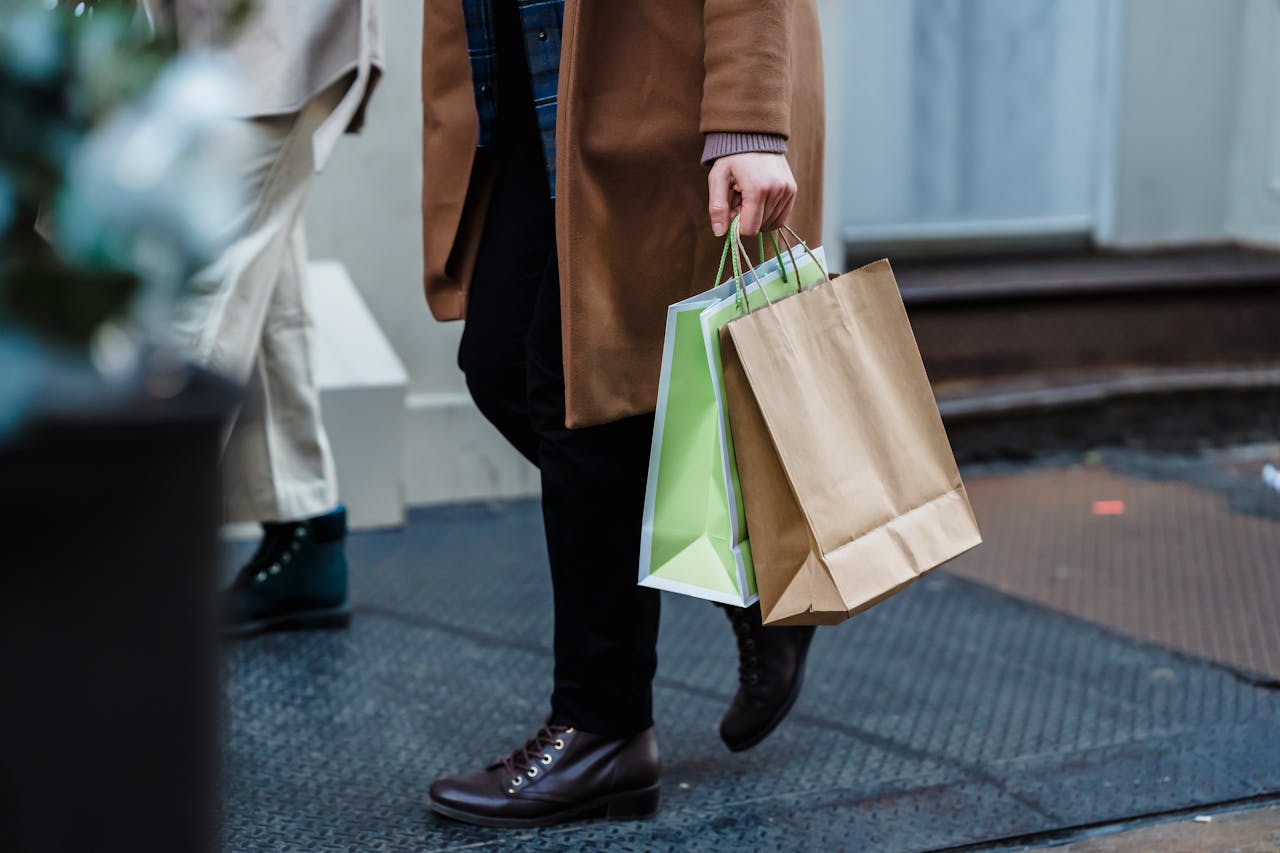
With 40 per cent of Gen Z — the highest rate of any age group — shopping resale, platforms like Depop and ThredUp have seen explosive growth. (Pexels photo)
As the summer shopping season kicks off, all eyes are on Gen Z — those born between 1997 and 2012 and whose purchasing power wields significant influence over market trends.
Often lauded as the “sustainability generation,” a closer look reveals a complex internal struggle: despite their strong desire for eco-conscious living, many Gen Z consumers find themselves drawn to the allure of fast, affordable, trend-driven consumption.
This discrepancy between belief and action, known as the “attitude-behaviour gap,” is a defining characteristic of Gen Z consumerism. While it’s not unique to Gen Z, it’s particularly pronounced due to their vocal environmentalism and their immersion in a hyper-consumerist digital world.
Understanding consumer behaviour at a deeper level means looking past stated preferences and focusing instead on the economic, technological and cultural forces that shape real-world decisions.
The rise of the eco-conscious Gen Z consumer
There’s no denying Gen Z’s pronounced environmental awareness compared to other generations.
Raised in the era of climate crisis and corporate responsibility, they gravitate toward brands that reflect their values. Over 75 per cent say sustainability matters more than brand name, and 81 per cent are willing to pay more for eco-friendly products.
This isn’t merely performative — Gen Z actively integrates sustainability into their lives. They’re more likely than any other generation to research a brand’s ethics and environmental impact before buying, often using social media to guide decisions.
More than 70 per cent discover sustainable products via platforms like Instagram and TikTok, fuelling social movements like Who Made My Clothes and supporting businesses like LastObject, a company that uses digital crowdfunding to engage environmentally conscious consumers.
They’re also behind the rise of the second-hand market, which is expected to hit US$329 billion globally by 2029. With 40 per cent of Gen Z — the highest rate of any age group — shopping resale, platforms like Depop and ThredUp have seen explosive growth.
Gen Z’s consumer behaviour is also influencing the spending habits of older generations. According to the World Economic Forum, increased spending on sustainable brands by groups like Generation X is being driven, in part, by Gen Z’s values, behaviours and expectations.
Gen Z’s push for sustainable consumption is shifting the market and everyone in it.
When values clash with spending habits
Fast fashion, frictionless e-commerce and the constant churn of social media trends have created a marketplace where sustainable intentions are easily sidelined.
Viral phenomena like Shein hauls — videos where social media influencers flaunt dozens of ultra-cheap outfits — spotlight the contradiction.
In the first 19 weeks of 2025 alone, Shein’s app amassed over 54 million downloads, a staggering number that underscores how affordability and instant gratification often win out over sustainability. Built on rapid production and ultra-low prices, Shein’s model encourages frequent, high-volume purchases — the antithesis of the “buy less, buy better” ethos that underpins sustainable consumption.
And this pattern extends far beyond fashion. The wider consumer landscape rewards speed and low cost at every turn. Gen Z came of age with one-click ordering and next-day delivery — conveniences that are now baseline expectations for shoppers. These days, nearly half of Gen Z consumers prioritize fast shipping, despite its high environmental cost.
Meanwhile, the social media platforms where they discover new eco-conscious brands are the same ones pushing relentless trend cycles that encourage over-consumption, from gadgets to clothing and lifestyle products.
Sustainability often comes with a steep price tag, one many young Gen Z consumers simply can’t afford. Brands like Patagonia or Allbirds are aspirational, but in the context of the cost-of-living crisis, fast-fashion giants like Zara, H&M and TJX Companies offer more budget-friendly options.
Navigating the ‘attitude-behaviour’ gap
The disconnect between Gen Z’s values and their consumption patterns isn’t about hypocrisy. Rather, it’s about navigating a system where sustainable choices are harder, more expensive and often less visible.
Gen Z’s struggle shows that living sustainably in a world designed for speed, savings and social validation is an uphill battle — even for the generation most determined to make a difference.
Bridging this gap demands action on several fronts. For businesses, it means innovating to make sustainable options more affordable and accessible. Transparency in supply chain practices and clear communication about environmental impact are also key to building trust with consumers.
For Gen Z themselves, transparency about the true cost of consumption is vital. Fostering critical thinking about marketing messages and the impact of social media trends can empower them to make choices that more consistently align with their values.
As the summer unfolds and consumer spending rises, the choices made by Gen Z will be a significant indicator of our collective path towards a more sustainable economy. Their ideals are a powerful force for change, but translating those ideals into consistent action remains the critical challenge.
Melise Panetta, Lecturer of Marketing in the Lazaridis School of Business and Economics, Wilfrid Laurier University
This article is republished from The Conversation under a Creative Commons license. Read the original article.




















