
News
Trump Reinstates and Expands Travel Ban on High-Risk Countries

PCI
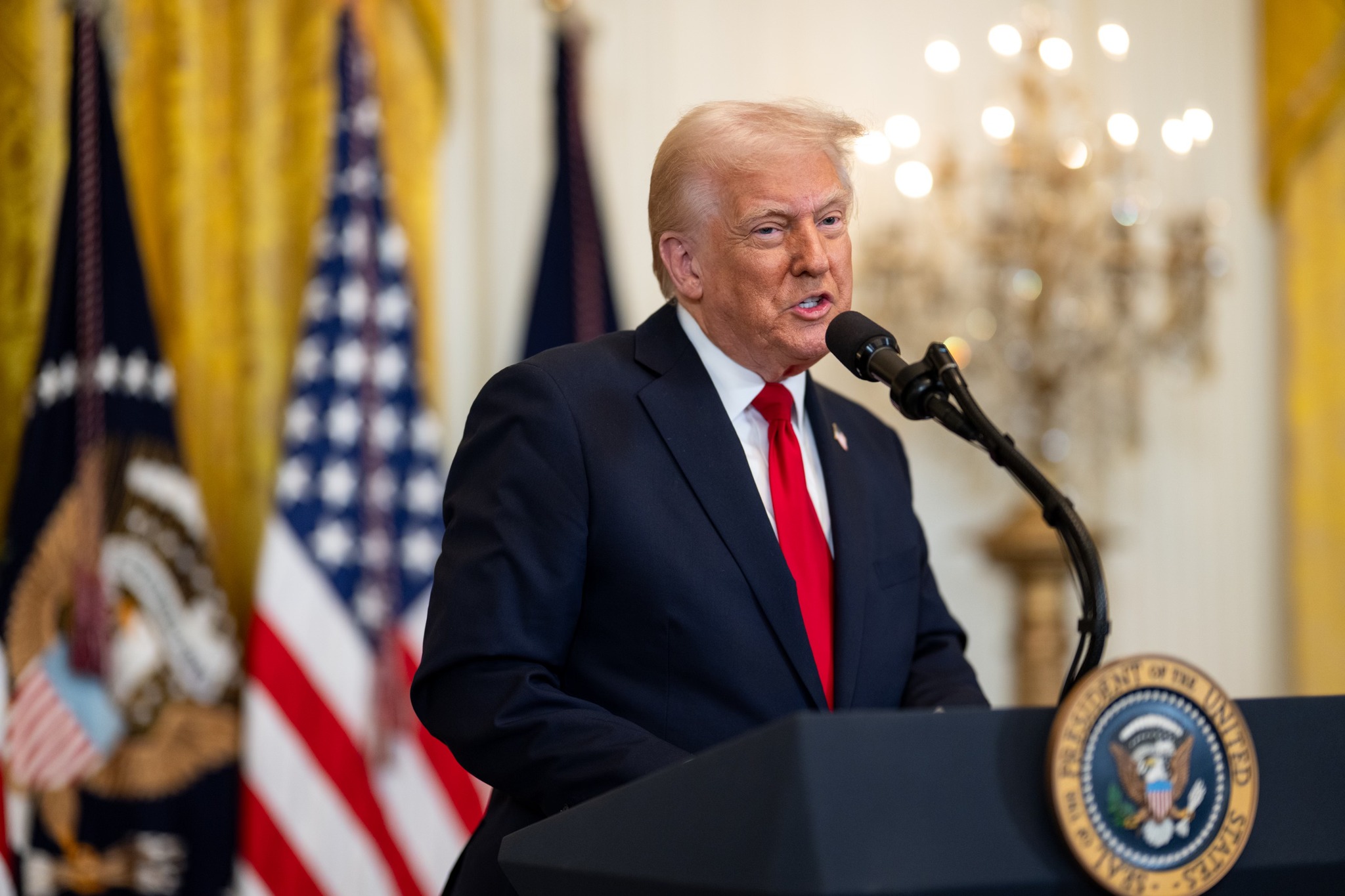
With this decision, Trump indicates a return to stricter border and immigration policies. (Official White House File Photo by Daniel Torok; The White House/Facebook)
President Donald Trump has brought back and expanded a travel ban targeting countries considered high-risk for terrorism and public safety.
The new order, signed Friday, blocks or limits entry into the U.S. for nationals from 19 countries. It follows an updated security review done under Executive Order 14161, issued earlier this year.
Twelve countries—including Afghanistan, Iran, Somalia, and Yemen—now face full entry bans. These nations were found to have weak or non-existent screening systems, high visa overstay rates, or strong ties to terrorism. Seven other countries—such as Cuba, Venezuela, and Laos—are subject to partial bans, mainly affecting tourist, student, and temporary visitor visas.
The policy builds on Trump’s original travel ban, which was upheld by the Supreme Court in Trump v. Hawaii. That ruling confirmed the president’s authority to block entry from certain countries if it serves national security interests.
“Some people call it the Trump travel ban,” President Trump said. “We will restore the travel ban and keep the radical Islamic terrorists out of our country.”
Officials say that restrictions depend on how well each country cooperates with U.S. authorities. This includes sharing criminal records and verifying the identities of travelers. They believe the aim is to encourage governments to improve security practices while keeping Americans safe.
The Proclamation includes exceptions for lawful permanent residents, valid visa holders, and individuals whose entry supports U.S. interests—such as those aiding military or humanitarian missions.
Critics argue the ban could unfairly harm innocent people, block family reunifications, and worsen diplomatic ties. Immigration advocates and civil rights groups are expected to challenge the move in court, as they did in Trump’s first term.
Supporters believe the policy is necessary to prevent terrorism and enforce immigration laws. Data from the administration shows that some countries, such as Chad and Burma, have overstay rates above 40%. This makes it hard for U.S. officials to keep track of who is in the country legally.
With this decision, Trump indicates a return to stricter border and immigration policies. This is likely to create a clash with opponents ahead of the 2026 midterms. For now, the administration says the travel ban is a matter of safety—not politics.




















