

By Dipa Kamdar, Kingston University; The Conversation
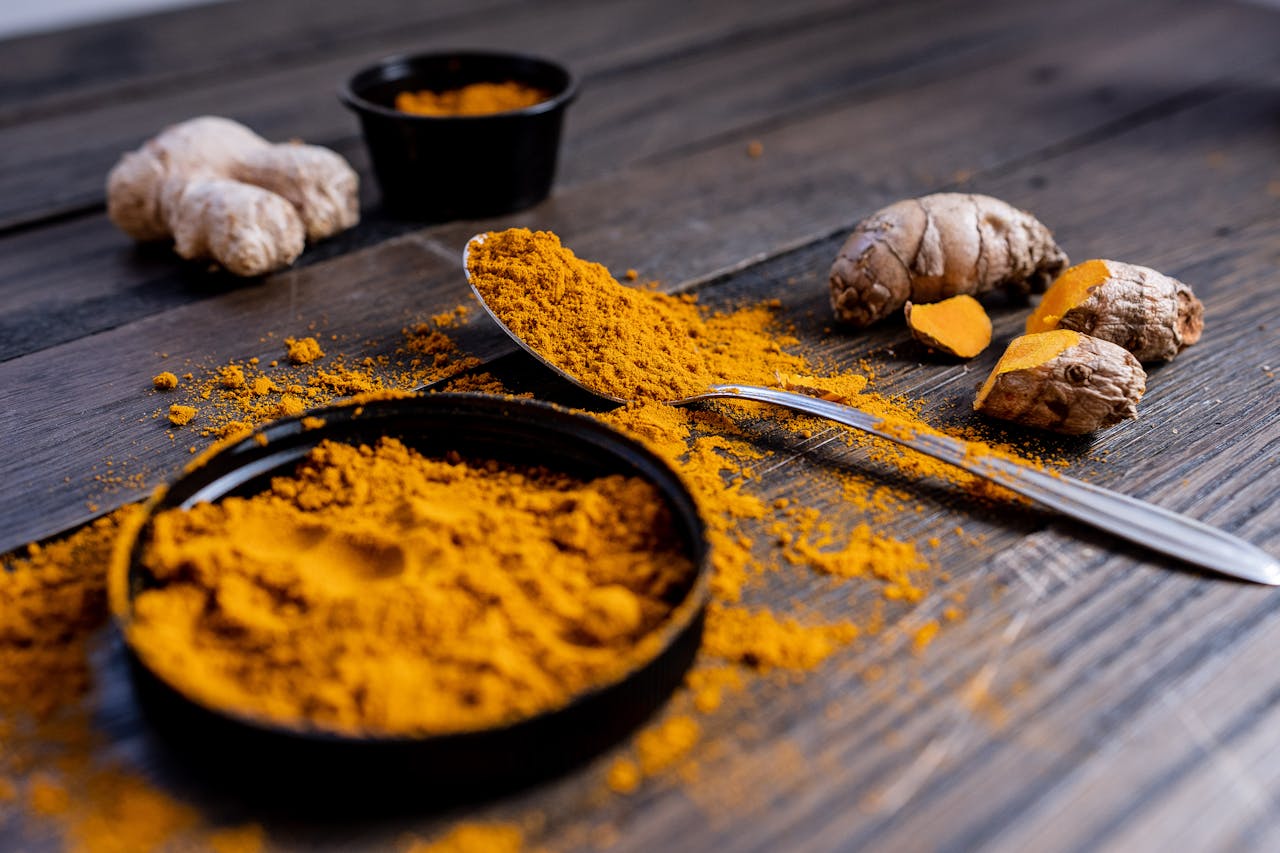
Ginger can act as a mild blood thinner, which means combining it with anticoagulants could raise the risk of bleeding. (Pexels Photo)
A sprinkle of cinnamon on your porridge, a pinch of turmeric in your curry, or a dash of ginger in your biscuits – these popular spices are kitchen staples around the world. For centuries, spices haven’t just been used to flavour food but also valued in traditional Ayurvedic and Chinese medicine for their healing properties. But could something as innocent as a spoonful of spice interfere with your medication?
Take cinnamon, for example. Sourced from the bark of Cinnamomum trees, it contains active compounds like cinnamaldehyde, eugenol and coumarin. Cinnamon oil, derived from the bark or leaves, is often used in food flavouring, fragrances and herbal remedies.
Cinnamon has been linked to a range of potential health benefits: it’s rich in antioxidants, it may reduce inflammation, it helps regulate blood sugar levels, it lowers the risk of heart disease, and even improves brain function. Traditionally, it’s also been used to ease digestion and ward off infections.
But a recent study from the University of Mississippi has raised concerns that cinnamon could reduce the effectiveness of certain medications. In lab tests, cinnamaldehyde was found to activate receptors that speed up how drugs are cleared from the body – potentially making them less effective. While this research is still in the early stages and hasn’t yet been tested in humans, it raises important questions about how cinnamon interacts with modern medicines.
The type of cinnamon matters too. The cinnamon commonly found in supermarkets – cassia cinnamon – is cheaper, widely available and comes from parts of Asia. Ceylon cinnamon, often labelled as “true cinnamon,” originates from Sri Lanka and is generally more expensive. Cassia cinnamon contains higher levels of coumarin, a natural compound that can harm the liver in high doses, according to studies. Coumarin is also a known anticoagulant, meaning it helps prevent blood clots, which is useful in medicine but risky when combined with blood-thinning drugs like warfarin.
There have been a few case reports suggesting that cinnamon supplements could increase the risk of bleeding when taken with anticoagulants. This is probably due to coumarin affecting liver enzymes responsible for breaking down drugs like warfarin. Some research also suggests cinnamon could potentially interact with other medications, including painkillers, antidepressants, anti-cancer drugs and diabetes medications.
But before you throw out your spice rack, it’s important to remember: the risks come from high doses, particularly in supplement form. A light sprinkle of cinnamon on your porridge is unlikely to cause problems.
Small doses
Another spice with medicinal promise – and potential risks – is turmeric. Known for its vivid yellow colour and use in both cooking and traditional medicine, turmeric contains curcumin, a compound praised for its anti-inflammatory and antioxidant effects.
However, information on turmeric’s interactions with medications is still limited. Most of what we know comes from lab and animal studies, which don’t always translate directly to humans. Still, there’s evidence that curcumin can affect how some drugs are metabolised, particularly by interfering with liver enzymes. This means it could potentially interact with antidepressants, blood pressure medications, chemotherapy drugs and certain antibiotics.
Turmeric also has natural blood thinning properties, which could amplify the effects of medications like warfarin or aspirin. Animal studies suggest turmeric may also lower blood sugar, meaning it could increase the effects of anti-diabetic drugs or insulin. Additionally, turmeric has been shown to reduce blood pressure, which, when combined with blood pressure medications, could cause an excessive drop.
As with cinnamon, these effects are most often linked to high dose supplements, not the small amounts used in food.
Ginger is another spice celebrated for its health benefits, particularly its anti-nausea and anti-inflammatory effects. But its active compounds, including gingerol, may also influence how your body handles medications.
Ginger can act as a mild blood thinner, which means combining it with anticoagulants could raise the risk of bleeding. The evidence is mixed when it comes to ginger and diabetes: while some studies suggest it may lower blood sugar, more research is needed to fully understand the effect it may have when taken alongside anti-diabetic medications.
High doses
While lab studies suggest these spices may affect how the body processes certain medications, the vast majority of these effects have been observed in high doses –usually from supplements, not everyday cooking.
If you’re taking medications, especially blood thinners, diabetes medicines, or chemotherapy drugs, it’s worth having a quick chat with your doctor or pharmacist before starting any new herbal supplements. But for most people, using spices in typical culinary amounts is safe – and a delicious way to add both flavour and potential health benefits to your meals.
So go ahead: sprinkle, pinch, or dash – just be mindful of what’s in your medicine cabinet – and be wary of taking any herbal supplement in high does.
Dipa Kamdar, Senior Lecturer in Pharmacy Practice, Kingston University
This article is republished from The Conversation under a Creative Commons license. Read the original article.




















