
Canada News
The chronic failure to pass social legislation

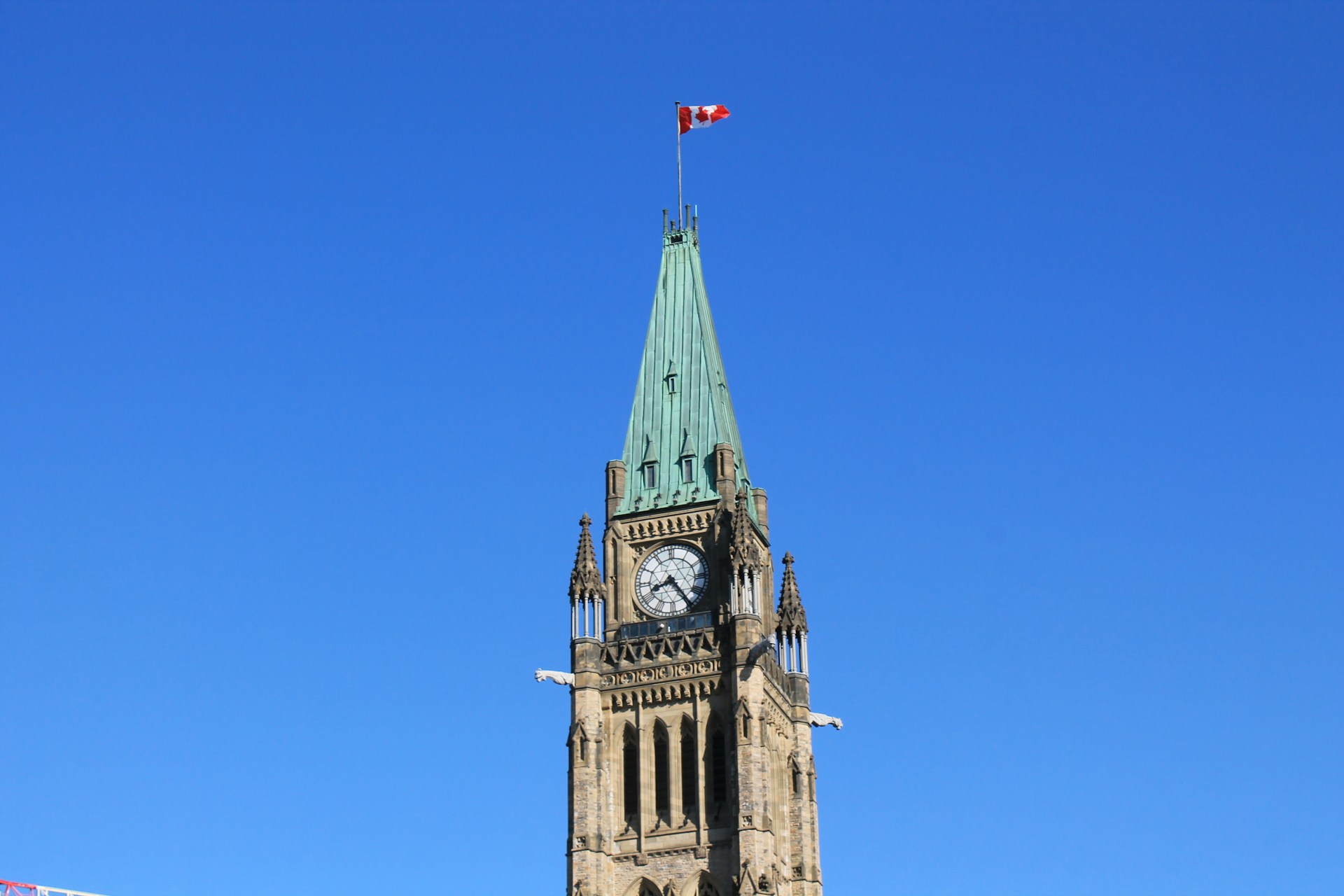
Many are repeatedly introduced across multiple parliamentary sessions but are never adopted. (File Photo: Kat/Unsplash)
On 6 Jan. 2025, amid increasing calls for then-prime minister Trudeau to step down, the Liberal government prorogued Parliament. Though required when there is a change of leadership, the move was criticized as ill-timed given the imminent threat of a trade war with the U.S.
Another important – and largely overlooked – consequence of prorogation was the amount and scope of legislation that died on the order paper. It included government bills supportive of population health that otherwise would have had ample time to complete the legislative process, as well as private members’ bills, which survive prorogation and can be picked up in following sessions. However, the subsequent dissolution of Parliament killed these bills as well.
Social-welfare legislation often comes in the form of private members’ bills, which are typically assigned lower priority. Many are repeatedly introduced across multiple parliamentary sessions but are never adopted. So, while the death of social legislation is not uncommon, the combined effect of prorogation and the federal election was particularly damaging in this case.
Real-world impact
A survey of the last five years shows that social-welfare legislation – whether governmental or private members’ bills – has tended to appear far down the order paper and often simply “dies on the vine,” never to be voted on.
Some examples of government bills that were not prioritized and were thus lost upon prorogation include:
- Bill C-63, which aimed to address online sexploitation schemes and other harmful content online.
- Bill C-61, which would have affirmed the Indigenous right to water, given Indigenous communities’ jurisdiction under section 35 of the Constitution Act., and met Trudeau’s clean-water promise.
- Bill C-72, which would have empowered health-care users and ensured accessibility and interoperability of increasingly digitalized patient data across platforms and jurisdictions. The same law would also have prevented proprietary data-blocking and imposed penalties on software providers for statutory breaches.
- Legislation to enact pension-fairness measures and tax breaks promised in the 2024 Fall Economic Statement.
Private members’ bills stifled
Examples of private members’ bills that have repeatedly failed to achieve legislation status include:
- Bill C-303, which would have introduced a national health-data collection and practices strategy addressing systemic failures made obvious during the COVID-19 pandemic.
- Bill C-277, which would have promoted a holistic approach to brain injuries and raised awareness linked to mental-health issues, addiction, homelessness and criminality.
- Bill C-217, which outlined a conservation strategy to address growing threats to Canada’s freshwater reserves. It would have incorporated Indigenous groups, municipal government representatives, climate scientists, and environmental groups into decision-making with the aim of strengthening the role of science in political debates.
- Bill C-322, which sought to address food insecurity by facilitating equitable access to nutrition for school-age children to help them focus and excel in school. This bill has failed to get across the finish line multiple times despite support from the Liberals and NDP.
The non-adoption of private members’ bills may be explained by the fact that they may not fit within the government’s agenda or budget, but it reveals the routine failure of Parliament to make these issues a priority.
Time is not the issue
Although prorogation and Prime Minister Carney’s call for a spring election undermined the tackling of these worrisome and widespread public-health issues, the death of social-support legislation in Parliament is endemic.
A fundamental review and restructuring of Canada’s legislative process is warranted.
Australia and the U.K. offer some examples of possible structural reforms. With respect to the former, the Federation Chamber, technically a Parliamentary Committee, has provided a secondary venue for the debate and adoption of simple and uncontroversial legislation since 1994.
No luck in the draw: A legislator’s conundrum
Former MPs express worry, frustration with state of Parliament
A 30-year review found that over 15,000 instruments had been debated in that chamber, freeing up significant and valuable time for other bills to be debated in the main chamber that may otherwise have been lost.
The introduction of a second chamber in Canada could help remediate the chronic failure to see social-welfare bills through the legislative process by allowing more bills to be concurrently debated in the Commons and this chamber.
But, even with more time to consider and pass legislation, it is essential to address the lack of political will to adopt social legislation. Regardless of who forms the next government, the prospect of the lost bills being reintroduced and adopted appears to range from uncertain to unlikely given the historic failing to prioritize bills of their nature.
It is imperative that legislators – whatever their political stripe – do much better when it comes to adopting legislation that reflects a much more sustained program of social welfare development supportive of population health for Canadians.
This article first appeared on Policy Options and is republished here under a Creative Commons license.




















