

By Mark Fryers, The Open University; The Conversation
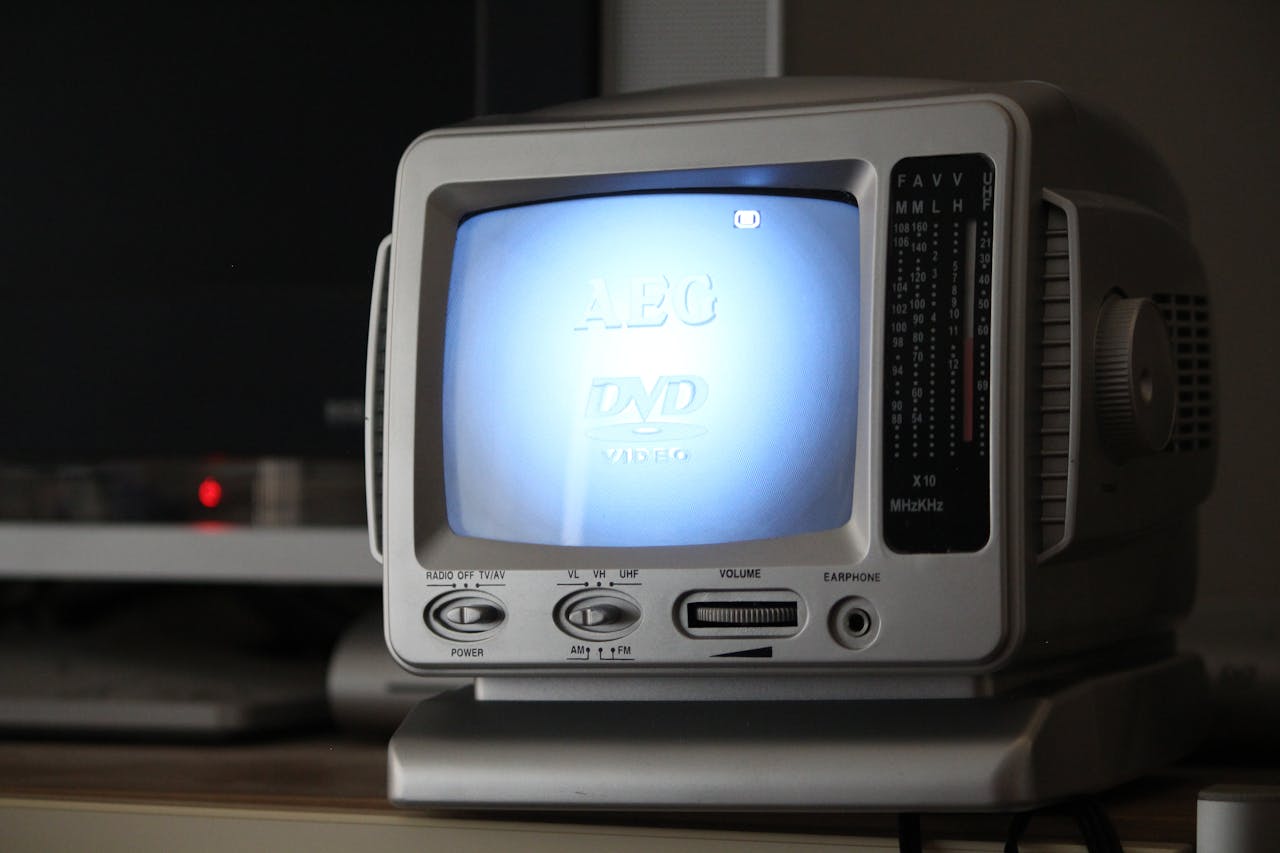
As far back as 1938, long before its widespread popularity, film production company Paramount Studios sought to break into television. (Pexels Photo)
As television grew rapidly in popularity in the second half of the 20th century, many people assumed it would cause a knock-on crisis for the film industry. After all, it meant that viewers no longer had to leave their sofas to enjoy onscreen entertainment.
But the reality was far more nuanced. The “death of cinema” has been habitually touted ever since the introduction of the TV, but never really came to pass. Instead, cinema found ways to work with new competition through technological innovation, aesthetic invention and engaging with challenging subject matters.
Today, lessons from the introduction of TV demonstrate how the creative industries have navigated the introduction of new technology. And could offer some comfort to those who fear that artificial intelligence (AI) technology could be a death knell for the creative industries.
This article is part of our State of the Arts series. These articles tackle the challenges of the arts and heritage industry – and celebrate the wins, too.
As far back as 1938, long before its widespread popularity, film production company Paramount Studios sought to break into television. It made significant investment in DuMont Laboratories, which evolved into a pioneering commercial TV network.
Other studios followed suit and experimented with “live cinema”. This was a form of entertainment in which broadcast images, including sporting events, were converted into 35mm film and projected onto cinema screens, and it was made throughout the 1940s.
The “Paramount decrees” antitrust case issued by the US Supreme Court in 1948 ended the monopolistic practices of the studios, which precluded them from owning broadcast companies in favour of the radio networks. They were also ordered to sell their cinema chains, which meant that their films no longer had guaranteed screenings to the public.
Nevertheless, they continued to form television production companies, with Columbia establishing Screen Gems in 1951 and Paramount reinvesting in the ABC network in 1952. By the 1960s, the majority of prime-time television programming was provided by Hollywood studio companies. These close ties fostered a mutually beneficial relationship.
Cross-pollination
After the break-up of the studios, many studio personnel found work in the television industry. It provided a training ground for future cinema stars, including as Steven Spielberg, George Clooney and John Travolta. Studios could also rent out their studios and facilities to television production companies.
The “star system” (in which the popularity of film stars had always driven the commercial potential of cinema) was now complimented by the exposure of these stars on television programmes.

Jaws was advertised across TV channels. Wiki Commons, CC BY-SA
Many studios began using TV to advertise their films. For example, Disneyland TV programmes helped to advertise the Disney studio and its cinematic products as distinct from television. And film trailers became another important conduit for cinema advertising. The summer blockbuster era was ushered in by Jaws in 1975 with blanket advertising on every prime-time TV show.
When early television schedules lacked enough new content to fill the airwaves, British cinema and cheap films and serials (a series of short films with cliffhanger endings; an early progenitor of television series) from the smaller Hollywood studios filled the early schedules.
Other studio executives took note that their back catalogues of film, which mainly sat untouched in vaults, were a financial goldmine that could be ploughed back into film production and technological development. MGM, which owned titles including perennial favourite The Wizard of Oz, which CBS reserved exclusive rights to screen for 20 years, from August 1956 US$34 million (£12 million) for its titles, while Paramount held out for US$50 million (£17.8 million). Screening rights were sold to the television networks.
As a result, television became the primary conduit for film viewing. Subsequently, more films were seen on television than on the big screen. There were 3.4 billion film viewings on UK TV in 2013 compared with 165 million cinema admissions – these are now shared with streaming and on demand services. Something had to be done to keep people going to the cinema.
Technical and aesthetic innovation
In attempting to preserve the experience of the big screen, widescreen, 3D and multi-track sound systems were introduced to cinemas. The move to standardised colour film accelerated, while extended film length attempted to link the cinematic experience with “high culture” such as the theatre and opera, with overtures and intermissions.
While many were seen as gimmicky (such as “smell-O-vision” in Scent of Mystery, 1960), widescreen filming became the aesthetic choice of filmmakers, producing epic canvasses and an alternative viewing experience to the small television screen.
Although many of these technologies dated back to the 1920s, small-screen competition drove technological and aesthetic innovation, and was partly financed by the tele-visual licensing of their films. Alongside these innovations, the content of the films themselves offered a demonstrable alternative to the small screen.
By the late 1960s, Hollywood had essentially broken free from the self-imposed censorial strictures of the Hay’s production code, which regulated everything from language to interracial relationships. Instead, film-makers had absorbed the influences of documentary, avant-garde and the French New Wave, among others, as well as the rock n’ roll and counterculture movements to make bold and controversial films, such as Who’s Afraid of Virginia Woolf? (1966) and Easy Rider (1969).
The topics and levels of sex and violence portrayed in these films were unthinkable within the heavily regulated family and advertiser-friendly television industry.
Looking for something good? Cut through the noise with a carefully curated selection of the latest releases, live events and exhibitions, straight to your inbox every fortnight, on Fridays. Sign up here.
Director Alfred Hitchcock made the most of this distinction between mediums. He utilised the agile tele-visual working crew of his TV series Alfred Hitchcock Presents (1955) for the taboo-bothering horror film Psycho in 1960, suggesting that the two mediums could be related but also divided by content. This, along with the aesthetic innovations helped to elevate cinema artistically in relation to the small screen.
And so the AI era dawns. The writers and actors strike of 2023 showed that the creative industries are ready to fight for their survival. Adaptability, as Hollywood has demonstrated throughout its history, can also be the key to continued success.
Mark Fryers, Lecturer in film and media, The Open University
This article is republished from The Conversation under a Creative Commons license. Read the original article.





















