
Education
Funding Freeze Follows Harvard’s Rejection of Federal Demands

PCI
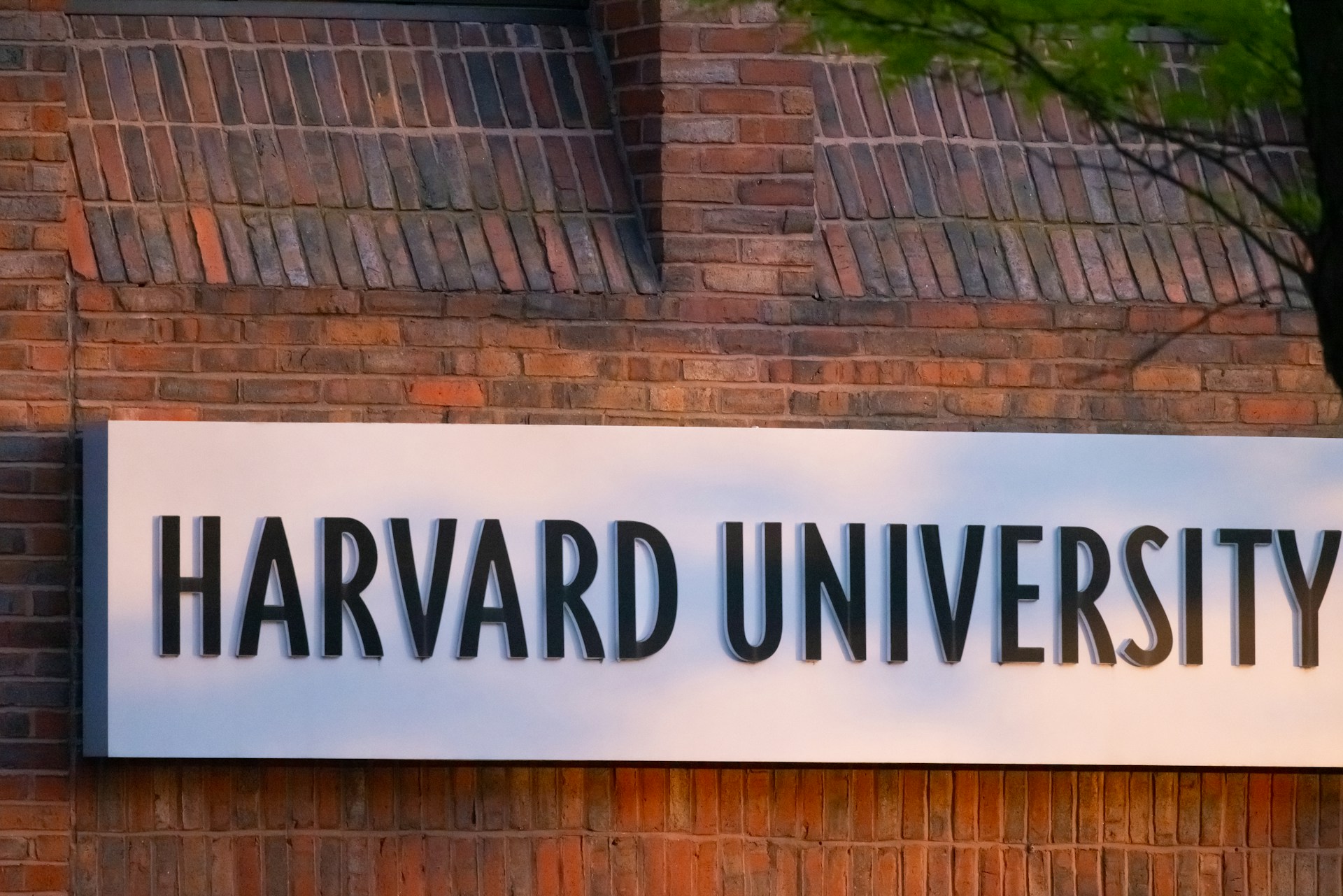
Harvard declined the request, saying the demands would give the government too much control over the university’s internal affairs. (File Photo: Xiangkun ZHU/Unsplash)
Harvard University is facing serious issues because it is not following the Trump administration’s demands. As a result, the government has frozen over $2 billion in federal funding. This situation shows the increasing conflict between government control and the independence of colleges and universities.
The administration’s demands—framed as efforts to combat antisemitism on campus—included major changes to Harvard’s governance, hiring, and admissions policies. They also called for the university to discipline students involved in past protests, end diversity programs, and allow government-approved audits of academic departments.
Harvard declined the request, saying the demands would give the government too much control over the university’s internal affairs. President Alan Garber said in a statement that while Harvard is committed to fighting antisemitism, it will not “surrender its independence or constitutional rights.”
In response, the Department of Education halted billions in grants and contracts, accusing Harvard of fostering a culture of entitlement and failing to protect Jewish students. The administration has taken similar action against other universities, including Columbia, which lost $400 million in federal support earlier this year before agreeing to adopt some federal recommendations.
Critics say the government is going too far by using funding to pressure colleges to adhere to its political and ideological beliefs. Legal experts and civil rights advocates warn that this pressure could harm free speech and academic freedom.
Harvard faculty members have sued, saying the administration’s actions are illegal and driven by politics. Some students at various universities have been arrested during pro-Palestinian protests. This has sparked discussions about how colleges handle protests and their connections with the federal government.
As the situation develops, it may change how universities manage protests, diversity programs, and their federal funding in the future.




















