
Canada News
The fight for trans rights is a women’s rights issue

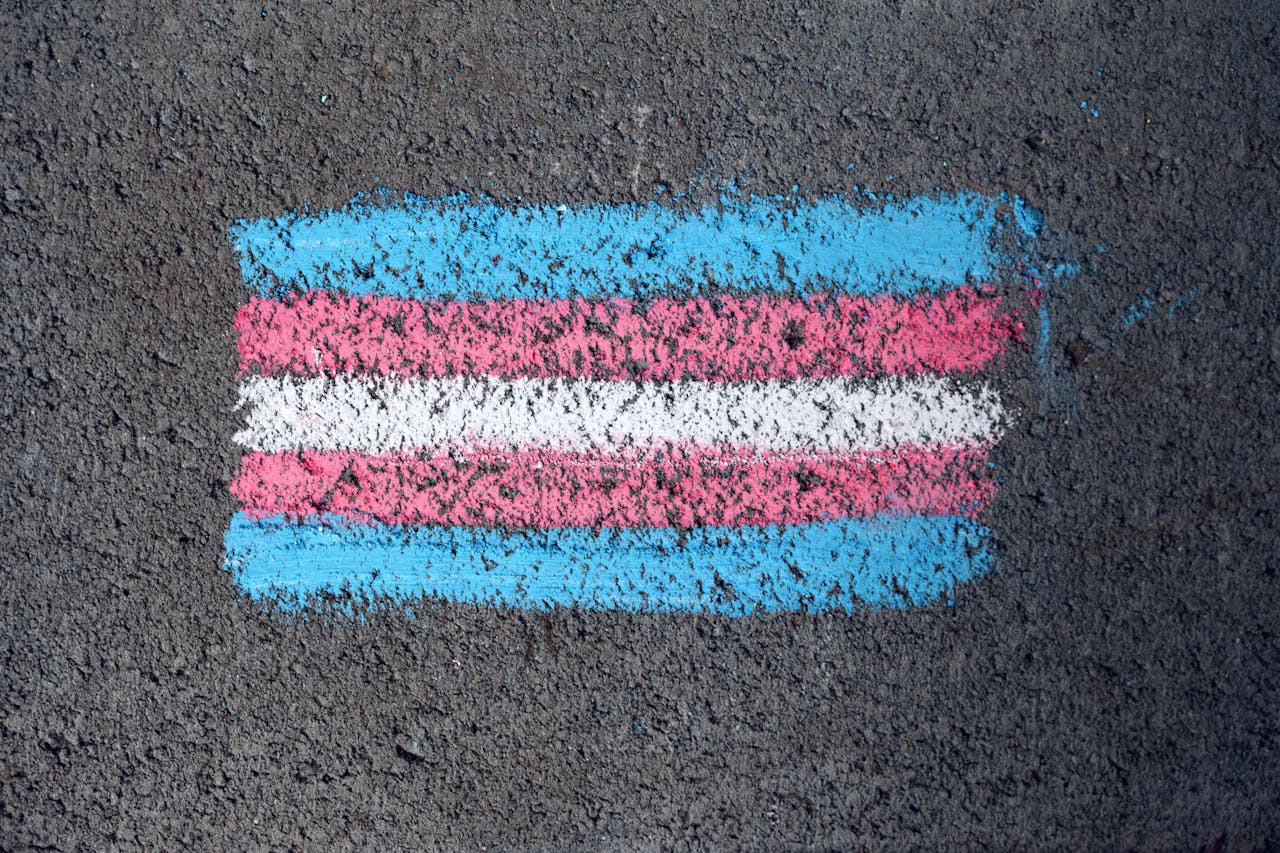
What does the panic around trans rights mean for gender equality in Canada? (Pexels Photo)
One of President Donald Trump’s first official acts on his inauguration day was to sign one of the most transphobic executive orders in United States history. It is a major leap backwards for transgender rights and those of other gender-diverse people worldwide.
It is now U.S. government policy to recognize only two sexes, male and female. The order denies the very existence of trans people in an attempt to wipe out what it calls “gender ideology” that it says threatens women in their workplaces and social activities.
Two days later in Canada, Conservative party leader Pierre Poilievre responded by stating that he was aware of two genders only. Poilievre had previously voiced his support for banning trans people from women’s washrooms, shelters, prisons and sports teams, and argued that “female spaces should be exclusively for females, not for biological males.”
The pattern is a familiar one. Like they have many times before, right-wing fearmongers have put gender and sexuality issues at the centre of a moral panic. Suggesting “gender ideology” is harmful to women is only the latest distraction.
In the run-up to the U.S. election, Republican groups spent more than $215 million on anti-trans television ads nationwide. It is estimated that during one two-week period in October, Trump’s campaign spent more money on anti-trans advertising than on the economy, housing and immigration combined. This relentless focus on trans people has been profoundly harmful to women, queer and trans communities in both the U.S. and Canada.
What does the panic around trans rights mean for gender equality in Canada? As a federal election in this country creeps ever closer, it’s important to correct the record and prevent the relationship between the two communities from becoming twisted. Trump and Poilievre have consistently pitted women’s rights and trans rights against one another. Let’s be clear, however. The fight for trans rights is a gender equality issue. The problems of misogyny and transphobia are interconnected and our struggles to overcome them should be seen as united, not opposed.
“Gender ideology” under attack
Concerns about “gender ideology” are premised on the false idea that protecting the human rights of trans people, a historically marginalized group with relatively little political power, is somehow a threat to society. Proponents of this myth have tried to frame women’s rights and trans rights as being in tension with one another.
This view suggests that protecting trans rights is harmful to cisgender women because it diminishes the importance of biological sex. Related to this concern is the equally pernicious claim that protecting trans rights will permit sexual predators to enter women’s washrooms and other sex-segregated spaces to commit gender-based violence. Conservative party members in Canada took a similar position at their 2023 convention. Some 87 per cent voted for a policy resolution that said only “female persons” should be allowed to enter sex-segregated spaces.
Misogyny and transphobia are closely related
Claims about the impact of trans rights on women are based on a misunderstanding of how gender and sexuality operate. Men gain power when gender hierarchy is enforced and takes away the control that women and trans people have over their bodies.
Consider the parallels between efforts to limit women’s access to abortion and trans people’s access to gender-affirming care. Both groups are vulnerable to laws restricting their bodily autonomy, sexual freedom and reproductive health. Both suffer public scrutiny and shaming about their personal choices. And both face discrimination when they challenge gender stereotypes about how men and women should look, act and relate to each other.
Both women and trans people experience gender-based violence at shockingly high rates, including intimate partner violence and violent victimization. Additionally, Statistics Canada figures show that the queer and trans community faced a 64 per cent increase in hate crimes in 2021. Almost half of those crimes were violent and included physical assault, harassment and uttering threats. Queer and trans people also experience unwanted sexual behaviour at higher rates than other people, with racialized queer women, bisexual women and trans people being the most frequent targets. Individuals who live at the intersection of race, class, ability, ethnic origin or Indigeneity face the greatest risk.
Meanwhile, rates of violence committed by trans people in sex-segregated spaces are exceedingly low. There is no evidence that gender-inclusive washroom policies and other public accommodations for trans people increase safety risks to women.
As such, there is a close relationship between women and trans people’s experiences of gender inequality. Both groups have been positioned in society as socially and culturally less-than, that is, as being subordinate, because of the meanings ascribed to their difference from, and resistance to, the cisgender male norm. But there is nothing “natural” about this. As trans writer Julia Serano explains about her own transition, “while biological gender differences are very real, most of the connotations, values and assumptions we associate with … biology are not.”
It is this political valuation of male over female and cisgender over trans — not biological sex per se — that leads to inequality because it elevates men and male ways of being while punishing everything else.
Given this gender hierarchy, and with Trump’s harmful rhetoric threatening to engrain it irreversibly, women’s rights and trans rights should not be seen as competing with each other. Feminist, queer and trans activists must visibly and vocally come together to build solidarity and challenge the oppressive thinking that affects us all.
Part 2: The effects of transphobia on education
This article first appeared on Policy Options and is republished here under a Creative Commons license.




















