
Canada News
Study examines physical, social costs of thawing permafrost across Arctic regions

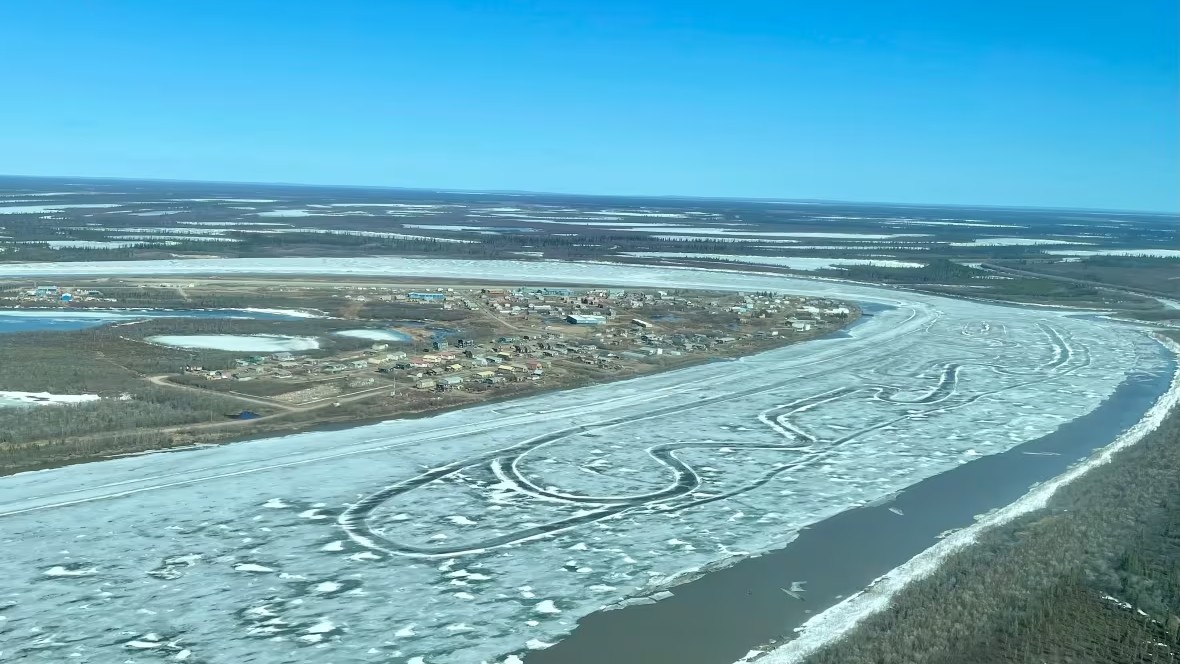
The community of Aklavik in Canada’s Northwest Territories. One of the communities where workshops were held for the study. (Kate Kyle/CBC)
By RCI, Eye on the Arctic
Melting Arctic permafrost is creating ongoing challenges for communities across the North, and a new study is shedding light on how those threats are perceived from region to region.
“Permafrost thaw poses diverse risks to Arctic environments and livelihoods,” the paper, published in the journal Communications Earth & Environment, said.
“Understanding the effects of permafrost thaw is vital for informed policymaking and adaptation efforts.”
The international research team, which included Canadian experts, looked at areas across Norway, Greenland, Canada, and Russia, and explored how local knowledge shaped people’s understanding of risks like failing infrastructure, transportation problems, water pollution, and food security issues.
The regions spotlighted included:
- Canada: the Beaufort Sea region and the Mackenzie River Delta (Canada)
- Greenland: Avannaata municipality
- Norway: Longyearbyen
- Russia: Bulunskiy District of the Sakha Republic
“The comprehensive risk analysis was made possible by intensive exchange with local stakeholders and permafrost scientists, and for the first time includes not only physical processes but also a comprehensive overview of social impacts of thawing permafrost soils,” anthropologist and co-study director Susanna Gartler from the University of Vienna, said in a statement.
Examining the risks
The researchers ranked the risks based on how closely they were tied to thawing permafrost and how much they affected people’s everyday lives.
Only the risks that were most connected to these impacts made the list as the “main risks.”
From there, they identified five key hazards: damage to infrastructure and transportation due to ground instability and erosion, degrading transportation routes, contamination of water sources raising health and economic concerns, threats to food security as melting permafrost disrupts traditional food sources like fish, wildlife, and plants, and increased exposure to diseases and contaminants released by thawing ground.
“In Canada and other regions where the population is heavily dependent on hunting and fishing, erosion also affects food security as hunting and fishing cabins become more difficult to reach, soils turn to quicksand and thaw slumps (a type of landslide) must be avoided,” a statement from the University of Vienna said in a statement.
“In Longyearbyen on Svalbard, the thawing of the permafrost also threatens access to clean drinking water, as the dam of the main source, Isdammen, is built on frozen ground.”
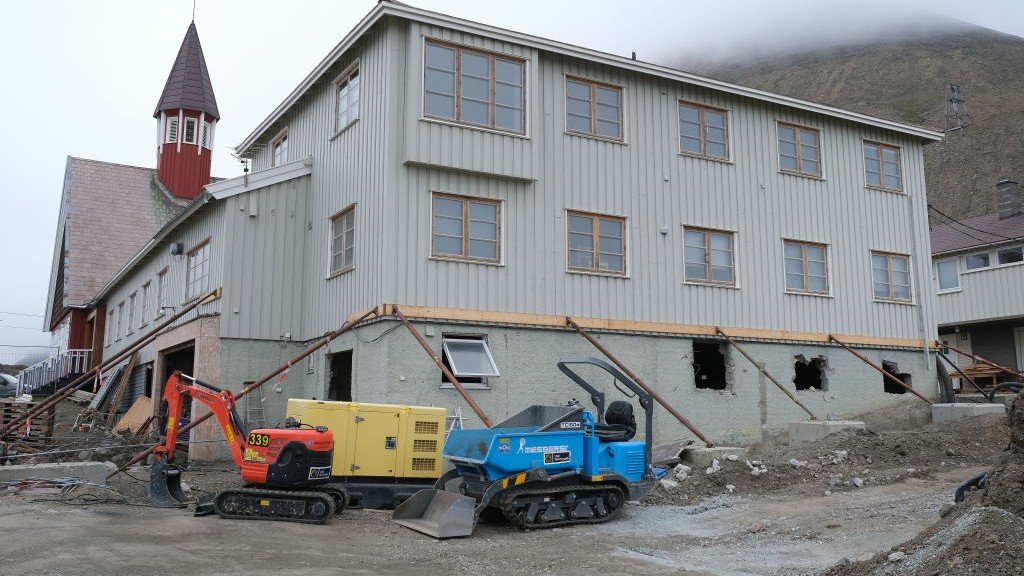
Historical sites are also impacted, influencing both the environment and people’s connection to it, the paper said.
“Coastal erosion is also threatening the cultural identity and heritage of communities in several regions, resulting in damage to remnants from the coal mining industry in Longyearbyen, cultural heritage sites in the Beaufort Sea/Delta region, and cemeteries in Bykovskiy (Bulunskiy District, Russia),” the study said.
How local factors drive the impact of permafrost thaw
By comparing different Arctic regions and integrating local knowledge, the research shows that the challenges communities face—whether it’s infrastructure collapse, water contamination, or food security—are deeply shaped by the unique environmental and social contexts of each area.
“While all the study areas are characterized by continuous permafrost, they exhibit substantial place-based variations both socially (e.g., population composition, economic prosperity, and political and governance systems) and environmentally (e.g., permafrost and weather conditions, ocean proximity, topography, and vegetation),” the study’s authors say.
“These variations contribute to the complexities in perceived risks related to permafrost thaw. Thus, while the physical processes of permafrost degradation are generally consistent across the study areas, societal consequences and concerns vary significantly due to differing environmental conditions, cultural contexts, and historical legacies.”
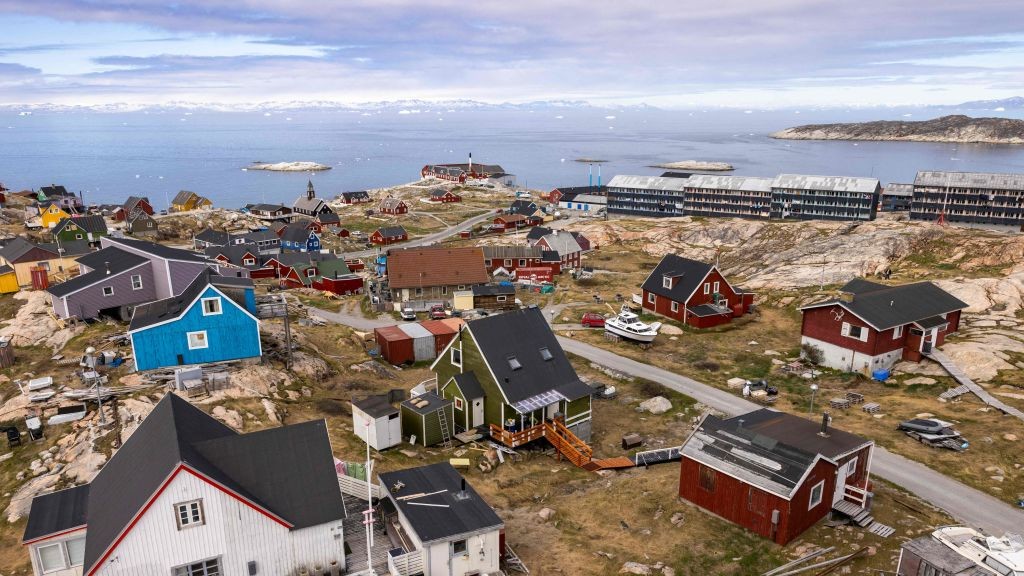
The study’s authors argue that gaining a clearer understanding of how physical changes affect everyday life in local communities will make it easier to plan effective responses.
“By emphasizing the interconnectedness of physical processes, societal concerns, and perceptions, this research can aid policymakers, rightsholders, and stakeholders in decision-making for safer Arctic futures” the study said.
“This research is an example of tackling problems holistically instead of compartmentalizing interconnected issues.”




















