

By Michael J. Armstrong, Brock University, The Conversation
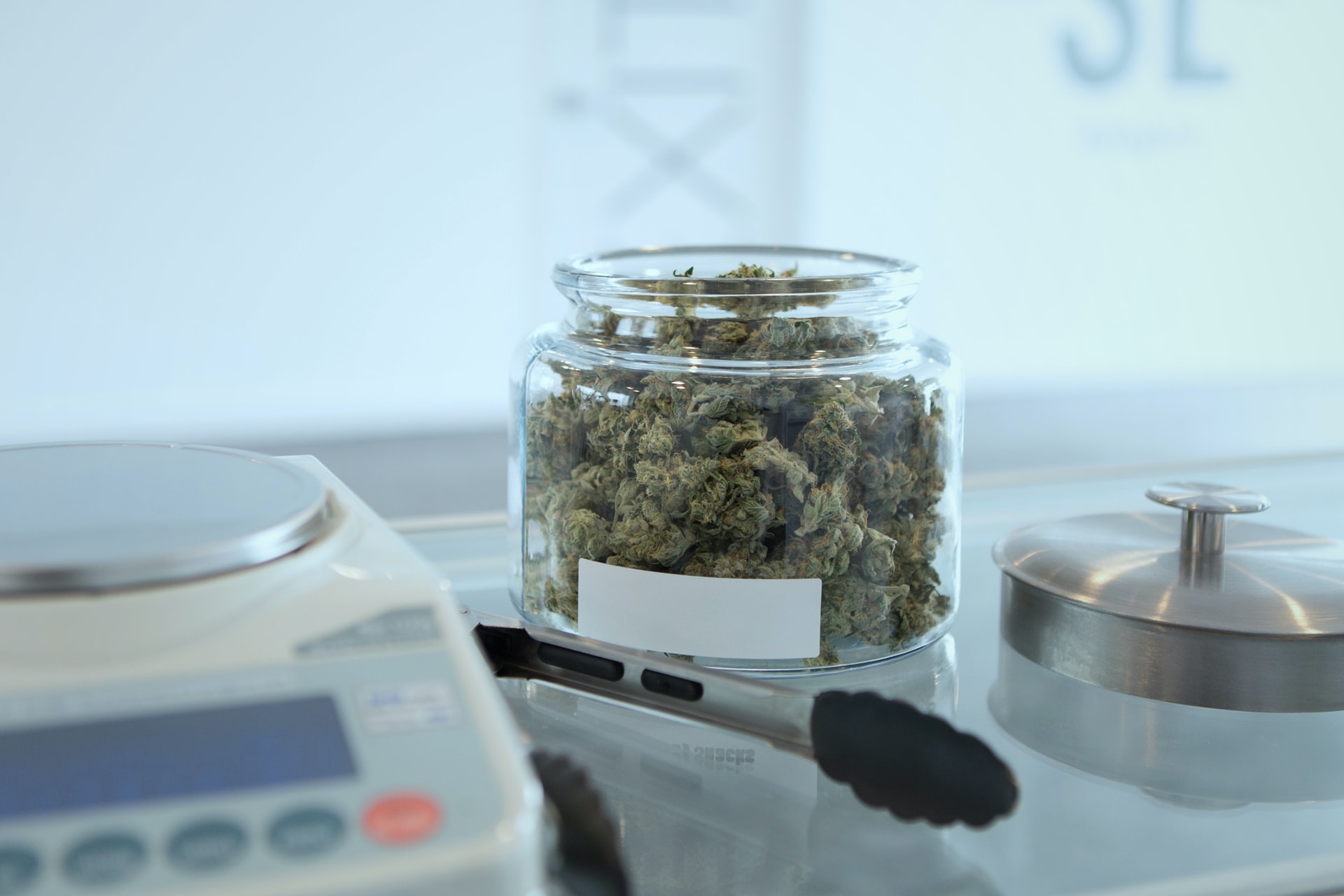
Under this new procedure, the number of patients registering to buy cannabis soared. (File Photo: Add Weed/Unsplash)
When Canada legalized recreational cannabis use on Oct. 17, 2018, there were concerns about the potential impacts. Would it trigger greater cannabis use, boost economic growth or otherwise affect the country’s health, safety and finances?
Patients already using cannabis legally for medical purposes were especially concerned. They worried that recreational legalization might prompt physicians to stop authorizing cannabis treatments. Or that cannabis producers would abandon the small medical market to pursue the larger recreational one.
After recreational legalization, the medical cannabis system did see declines. Between June 2018 and December 2022, the number of registered patients fell 32 per cent, while product sales fell 29 per cent. Some people thought the medical cannabis system had failed or become obsolete.
As someone who studies the business aspects of cannabis legalization, I wondered about these issues, too. It wasn’t clear how patients, producers or health-care providers would react to recreational legalization. Legal medical use itself had only become accessible a few years earlier.
Accessing medical cannabis
Canada began allowing medical use of cannabis in 1999. But it remained difficult to get until regulations changed during 2014-15.
The new rules allowed any physician to authorize patients to use cannabis. Those patients could then register to buy products online from licensed cannabis producers. Online orders could not exceed a 30-day supply.
(Instead of buying cannabis products, some patients grew their own plants instead. My research hasn’t examined that.)
Under this new procedure, the number of patients registering to buy cannabis soared. They grew from 7,914 in June 2014 to 330,344 in June 2018, nearly one per cent of Canada’s population.
However, registration levels differed greatly between provinces. In June 2018, registrations represented almost three per cent of Alberta’s population, versus only 0.1 per cent of Québec’s.
Interestingly, less than half of registrants bought medical cannabis in any given month. Perhaps they simply didn’t need the full dose. Or maybe they found it too expensive, inconvenient or ineffective.
June 2018 was also when the federal government passed its new cannabis legislation. The law took effect in October 2018, when recreational sales of dried cannabis and cannabis oils began. After initial product shortages were overcome, recreational cannabis sales grew rapidly as more stores opened, even during the COVID-19 pandemic. Consumer choice expanded in December 2019 when edibles and vapes became available.
This is where my new study came in. I analyzed government data on patients’ use of Canada’s medical cannabis system between 2017 and 2022. This included how many patients registered, how often they placed orders, and how much cannabis they bought.
Evolving system usage
I found that as soon as parliament passed the new cannabis law, medical registrations began slowing down, despite recreational legalization still being four months away.
But the response differed noticeably between provinces. For example, registrations kept growing steadily in Québec but plummeted rapidly in Alberta. Other provinces were in between.
My data doesn’t say why those changes occurred. Perhaps Alberta, with its copious cannabis clinics, had many patients only mildly interested in using cannabis medically. Conversely, maybe Québec was still catching up with other provinces on medical use.
When recreational sales started in October 2018, patient registrations seemed unaffected. Their average purchase sizes didn’t change either. But they bought medical cannabis slightly less often.
This might have been due to retail convenience. At that time, medical producers and recreational stores were selling similar products: dried cannabis and cannabis oils. So, perhaps some patients started topping up their supplies occasionally at recreational stores but saw no reason to leave the online medical system completely.
When edibles and other processed products began selling in December 2019, registrations dropped further. But the patients who remained bought medical cannabis slightly more often and in increasingly larger quantities.
Product selections might explain this patient split. Perhaps producers with good edible products retained their customers and received larger orders from them. Conversely, maybe medical producers offering few edibles lost their patients to the recreational shops and their vast product assortments.
In summary, Canada’s medical cannabis system experienced big changes after recreational legalization. But it didn’t disappear.
Will other countries see similar outcomes if they allow recreational cannabis?
A changing world
In Europe, for example, The Netherlands is experimenting with recreational sales. Meanwhile, Germany has legalized recreational use but not retail sales. Will those countries experience medical cannabis changes like Canada did?
Conversely, some countries barely tolerate even medical use. It is very difficult to legally obtain medical cannabis in the United Kingdom, for example, much like in Canada 20 years ago. And France has only conducted a few medical cannabis trials.
Other countries, like Australia and New Zealand, are somewhere in between. They’re seeing rapid growth in legal medical use and illegal recreational use, but haven’t legalized recreationally. That’s roughly where Canada was 10 years ago.
Will Canada’s medical and recreational cannabis experiences make these other countries more interested in legalization, or less? Either way, I hope they can learn from our experiences as they chart their own cannabis paths.
Michael J. Armstrong, Associate Professor, Operations Research, Brock University
This article is republished from The Conversation under a Creative Commons license. Read the original article.




















