By Tony Benson, Queen’s University Belfast; Anne Nugent, Queen’s University Belfast; Moira Dean, Queen’s University Belfast; The Conversation
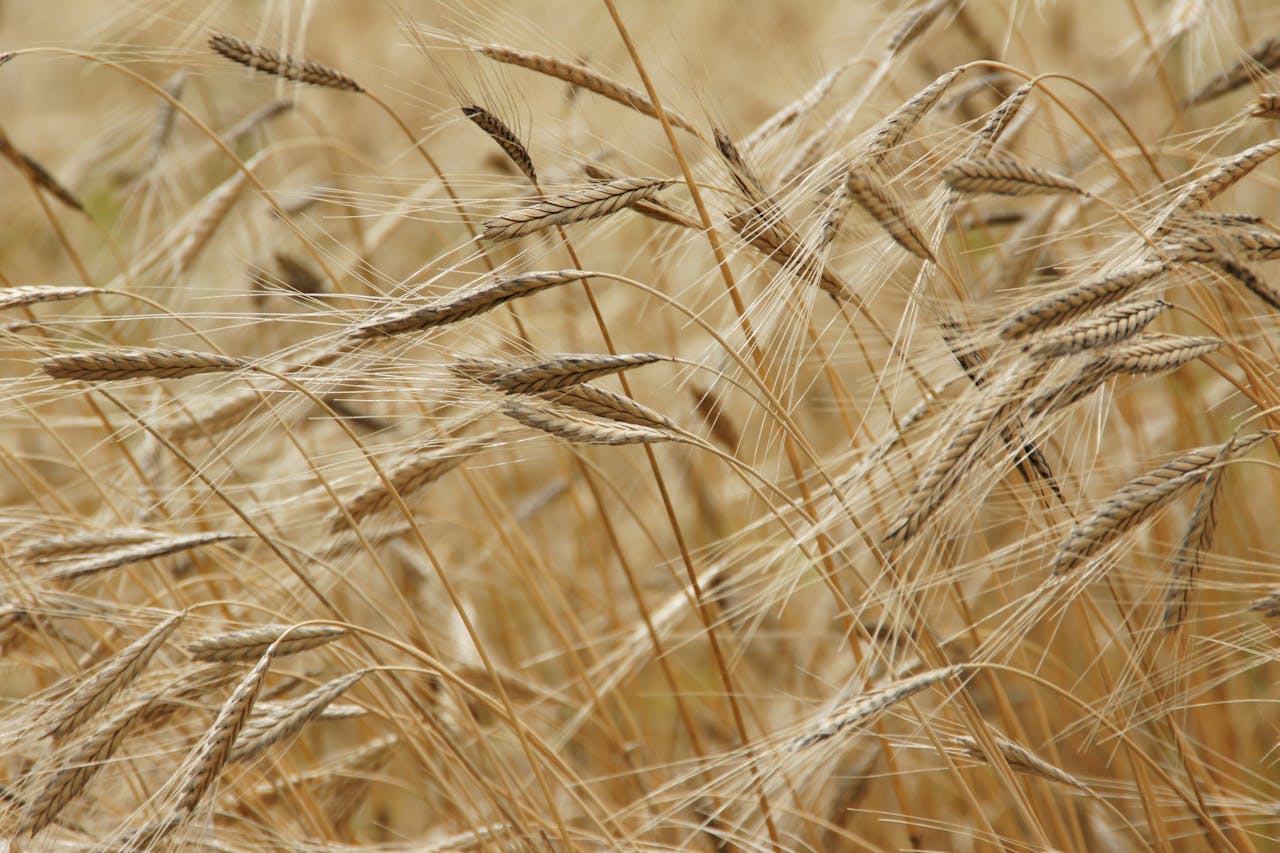
Cereal grains, such as oats and wheat, are often considered carbohydrates. (Pexels Photo)
As more people become aware of the environmental impact of making and consuming food and drink, there is renewed interest in many western countries in vegetarian, vegan and flexitarian diets, which come with lower carbon footprints.
But meat and dairy are still the main source of protein for most adults in these countries. Protein is needed to grow and repair the body. So if you start eating less animal produce, you need to ensure you are still getting enough protein.
Many people might think eating less meat just means eating more plant-based meat alternatives like veggie burgers. But while these kinds of alternative protein products are better for the environment because they use less land and produce lower greenhouse gas emissions, there are drawbacks.
Some plant-based meat alternatives can be classified as “ultra- processed” and they often have a less favourable nutrition profile, higher in salt and lower in iron and vitamin B12 (although they can be lower in calories and fat too). Their taste and texture are also often criticised by consumers.
But plant-based meat alternatives are far from the only other type of non-animal protein available. There are five other broad categories of protein that don’t come from animals: pulses, algae, insects, cultured meat, and grains such as oat, wheat, barley and other cereals which are often overlooked as environmentally sustainable plant proteins.
Here’s what you need to know about consuming more of these animal-free protein sources.
Pulses
Pulses, such as beans and chickpeas, are the edible seeds of legume plants. Compared to other crops, legumes don’t need as much fertiliser, so they result in fewer greenhouse gas emissions. Legumes improve soil health and microbial diversity on farmland, and varieties can be selected to be more climate-resistant.
Their protein content ranges from 17% to 30%, and pulses are rich in fibre, vitamins and minerals. Eating pulses helps prevent chronic diseases like heart disease and diabetes too.
Algae
Algae, such as seaweed and spirulina, are another option. Like pulses, algae are high in vitamins and minerals with 50%-60% protein content.
Algae can store or sequester carbon from the atmosphere. Algae have antioxidant and anti-inflammatory properties.
For those who aren’t keen on munching seaweed, using algae as an ingredient in foods such as bread might be more appealing, boosting protein content in the process – although it might colour your food green or leave a fishy aftertaste.
Cereal grains
Cereal grains, such as oats and wheat, are often considered carbohydrates. But they are also a notable plant protein source with 7%-18% protein content, and some can lower cholesterol and may improve gut health.
Currently, many cereal grains are used inefficiently. In Ireland, a very high proportion (89%) of cereal is used as animal feed, with animals then used as the protein source. Consuming cereal grains directly instead of using as feed would cut greenhouse gas emissions.
Insects and cultured meat
For more adventurous diners, there are options such as insects and cultured meat. Although not prominent in the western world, insect snack bars and other cooking ingredients are available. The UK recently became the first European nation to approve the use of cultured meat, albeit in pet food.
Particular benefits include the high protein content of insects – cricket flour is 45%-70% protein – and the meaty taste and texture of cultured meat. But these aren’t as socially acceptable as other alternative proteins, due to reasons such as disgust and familiarity. Potential allergy and ethical issues are another concern.
Tony Benson, Research Fellow, School of Biological Sciences, Queen’s University Belfast; Anne Nugent, Reader, Nutrition, School of Biological Sciences, Queen’s University Belfast, and Moira Dean, Professor in Consumer Psychology and Food Security, Queen’s University Belfast
This article is republished from The Conversation under a Creative Commons license. Read the original article.