By Kiffer George Card, Simon Fraser University; The Conversation
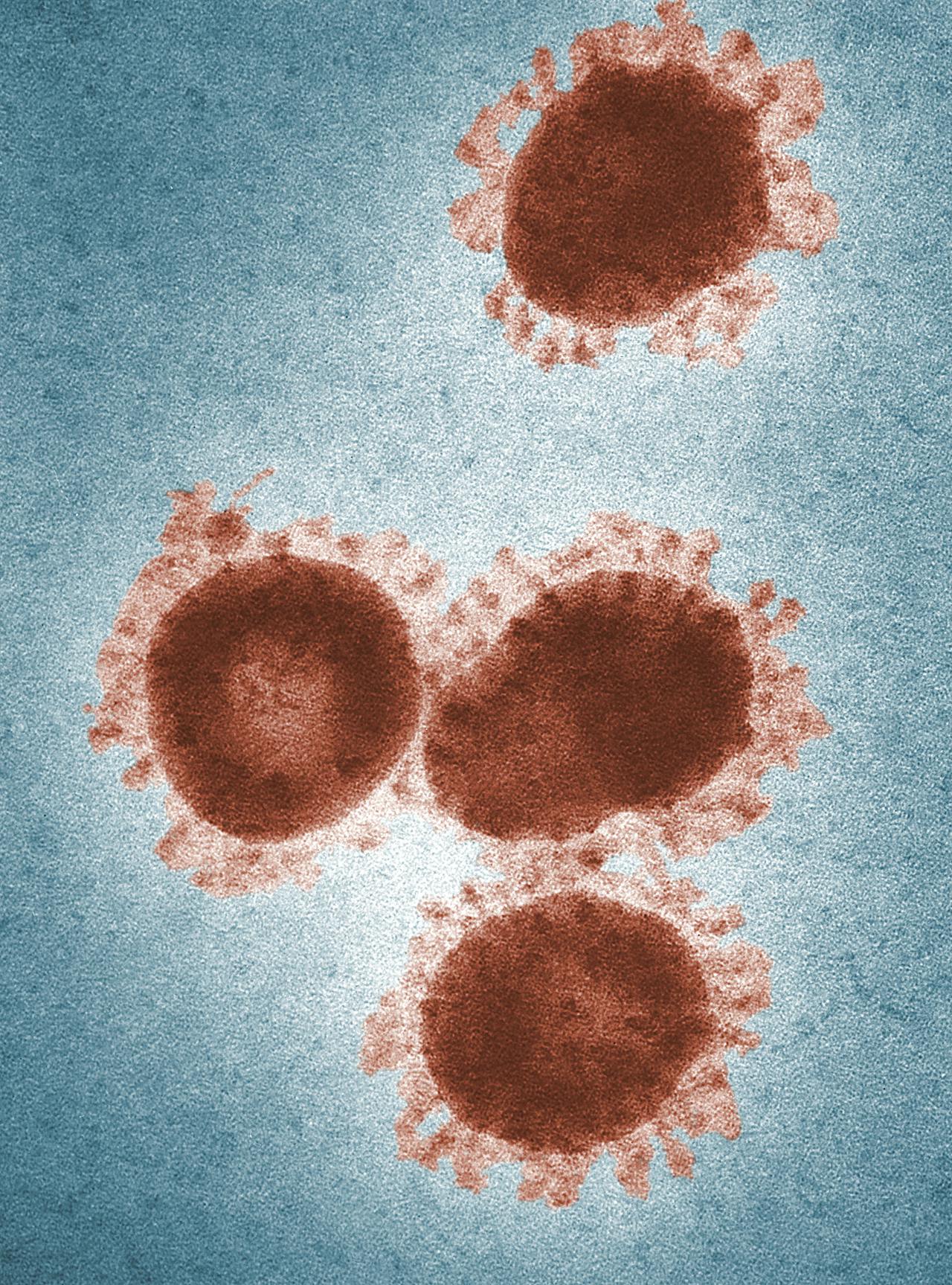
Mpox, once referred to as monkeypox, is a virus that causes flu-like symptoms and skin blisters across the body. (Pexels photo)
On Aug. 14, the World Health Organization (WHO) classified Mpox virus, which is surging across several African countries, as a “public health emergency of international concern.” This action will help mobilize global and regional public health resources to better monitor and respond to the threats posed.
Naturally, in the wake of COVID-19, this has many people worried we’re about to relive the collective trauma of lockdowns and fears of acquiring a potentially deadly virus. As an epidemiologist who studies the intersection of infectious diseases and social life, I share these concerns, but, at this point, I believe the WHO’s announcement should raise caution, not cause panic.
What is Mpox and how does it spread?
Mpox, once referred to as monkeypox, is a virus that causes flu-like symptoms and skin blisters across the body. Fortunately, the virus is mostly spread through direct contact with infected lesions or bodily fluids, or through contaminated materials like bedding. This means it is not typically as contagious as respiratory diseases such as COVID. However, it can also spread through respiratory droplets, although this only typically occurs with prolonged close contact in areas with limited ventilation.
These characteristics explain why historically Mpox outbreaks have typically been limited to densely interconnected sexual networks and in venues where physical contact may be prolonged, such as in night clubs.
However, the current situation in Africa is showing that some of these characteristics are changing. In the Democratic Republic of Congo (DRC) and neighbouring countries, it appears that a more deadly, more virulent version of the virus — arising from a strain referred to as Clade 2 — is taking hold. This is evidenced by the fact that several African countries that had not previously seen transmission are now seeing increased spread.
As well, public health officials note transmission in children, suggesting that this more virulent form may require less physical contact than we observed in the transmission of Clade 1, which caused a global outbreak in 2022.
There is also evidence this strain is more deadly, with mortality rates of between three and five per cent, which considerably exceeds the average mortality rate of COVID-19.
With all this in mind, it’s natural to ask, “Should we be worried?”
Understanding risks in Canada
At the moment, the WHO’s actions indicate that the international public health community should pay attention and prepare for a possible large-scale international outbreak of Mpox — something it has failed to do in recent decades.
Most importantly, its declaration allows for enhanced global collaboration to monitor the situation in the Democratic Republic of Congo and surrounding countries. It also makes it possible to prioritize the availability of vaccines in those regions to bring viral transmission under control.
We are fortunate, in Canada, to have an excellent public health surveillance system and to have some access to vaccine supplies for Mpox. The existing Mpox vaccines are safe and effective. Currently, their use is prioritized for high-risk populations, such as gay and bisexual men and people employed in sex work.
If transmission begins in other populations, it is likely that production of the Mpox vaccine could be increased and supplies would be more broadly available to meet demand and need. But it is important to note that redirecting those vaccines will limit their availability to African countries that lack the necessary biomanufacturing capacity to produce them.
As well, Canada is fortunate to have world-class medical facilities that can provide necessary treatment and care to people who might experience vulnerability to Mpox virus. All of these factors suggest that Canada will be well equipped to respond to potential outbreaks, provided, of course, that we all do our part.
Prioritizing health equity
Perhaps the most valuable insight and lesson from this situation is the importance of global health equity. Mpox has been endemic in African countries for decades — first attracting attention in the 1960s and 1970s. Our global failure to address the transmission sooner has directly contributed to the threats we are facing today.
Allowing uncontrolled spread of a virus as potentially dangerous as Mpox has been a massive public health failure — especially since there are effective vaccines that could lead to the eradication of Mpox if appropriately used.
This of course is not the first time we’ve learned the importance of health equity. During the 2022 outbreak of Mpox, which primarily affected gay and bisexual men, it is clear that transmission only halted because communities worked closely with public health officials. Individuals took action to limit their personal risk and public health systems helped fund awareness and vaccine promotion efforts.
The same level of collaboration among communities at high risk will be needed should this new more virulent strain of Mpox reach the global stage.
Stay informed, stay prepared
While the current situation with Mpox is concerning, there is not yet any reason to panic.
However, as the situation develops, we must pay attention to the advice of public health leaders and be ready to take appropriate actions. In doing so, we must be especially ready to adopt a reasoned public health response that prioritizes vaccines for the communities that need them the most.
Kiffer George Card, Assistant Professor in Health Sciences, Faculty of Health Sciences, Simon Fraser University
This article is republished from The Conversation under a Creative Commons license. Read the original article.