By Manal Mohammed, University of Westminster, The Conversation
At least 38 people, most of them children and teenagers, have died since early June 2024 in the worst outbreak of Chandipura virus in India in over 20 years.
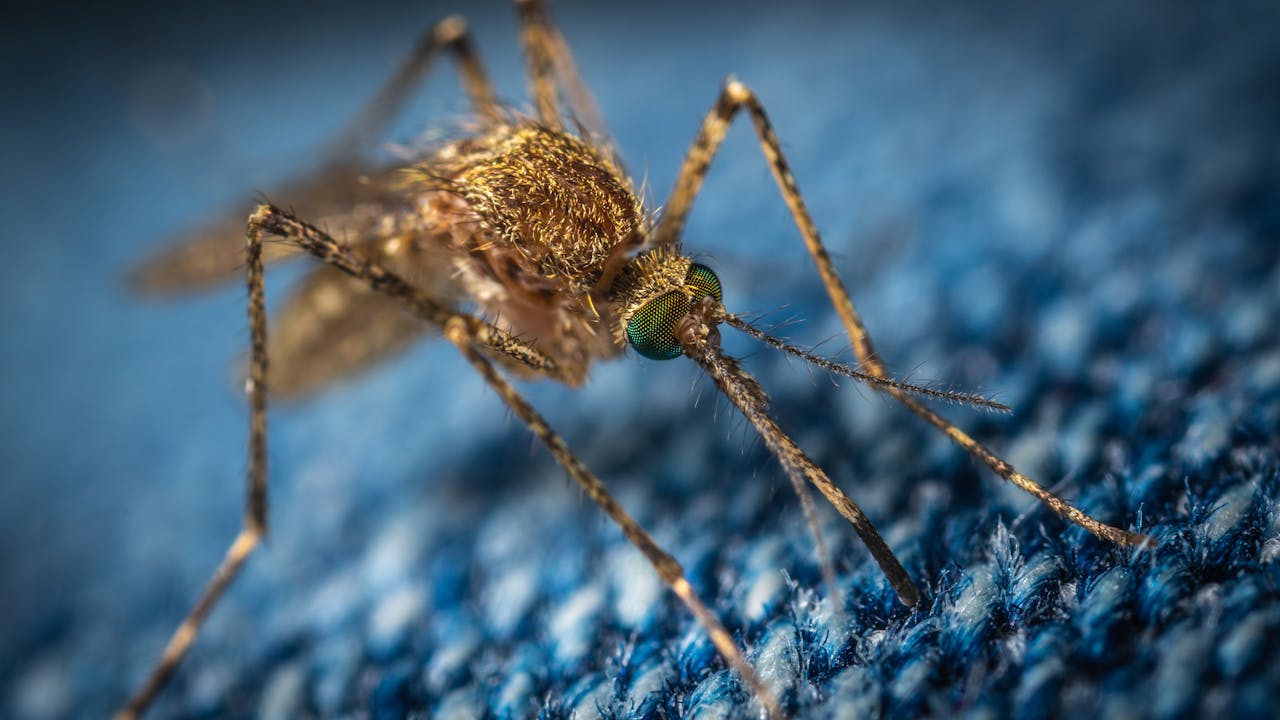
This rod-shaped pathogen is a member of the rabies virus family that causes encephalitis – inflammation and swelling in the brain. And it is spread mainly by sandflies, but mosquitoes and ticks can also spread it.
The initial symptoms are similar to the flu, but they can rapidly advance (over 24 to 48 hours) to encephalitis, coma and death. Children under the age of 15 are the most vulnerable.
Exactly how the virus enters the central nervous system and causes encephalitis is poorly understood. It has been proposed that when an infected insect bites a person to get their blood meal, they secrete their saliva containing the virus.
The virus then spreads into the person’s bloodstream and infects immune cells called monocytes (a type of white blood cell), where it replicates, undetected by the immune system. The virus then gets transported to the central nervous system and enters the brain by disrupting the protective blood-brain barrier.
Six hours after the person has become infected, the Chandipura virus secretes a protein called phosphoprotein inside brain cells, and this might explain why it causes death so rapidly.
Unfortunately, there are no antiviral drugs to treat people infected with the Chandipura virus. And there is no vaccine.
Fairly recent problem, driven by climate change
The Chandipura virus is named after the village in Maharashtra, India, where it was first identified in 1965. But the first big outbreak didn’t occur until 2003 in Andhra Pradesh (a state in the south of India) where 329 children tested positive for the virus with 183 of them dying. And in 2005, an outbreak in Gujarat, (a state in the north-west) was reported with 26 cases and a high fatality rate of 78%.
The latest outbreak, affecting over 100 people in Gujarat, had a particularly heavy toll on children under 15. The rapid spread of the virus and the severity of symptoms has concerned public health officials.
Since the virus was first discovered in India in 1965, most of the cases have been restricted to the Indian subcontinent. However, the geographical distribution of the virus extends beyond India. It was detected in sandflies in west Africa in 1991 and 1992, and in hedgehogs in Senegal (1990-96). Antibodies to the Chandipura virus have also been found in wild monkeys in Sri Lanka in 1993.
The emergence of Chandipura virus in India is probably related to climate change and its spread is facilitated by warming temperatures.
Several diseases spread by bugs have spiked in recent years as a result of climate change. For example, this summer, India reported a high number of cases of mosquito-borne viruses, including Zika, dengue and Nipah.
Manal Mohammed, Senior Lecturer, Medical Microbiology, University of Westminster
This article is republished from The Conversation under a Creative Commons license. Read the original article.