
Education
New government guidance for PE lets teachers and pupils down

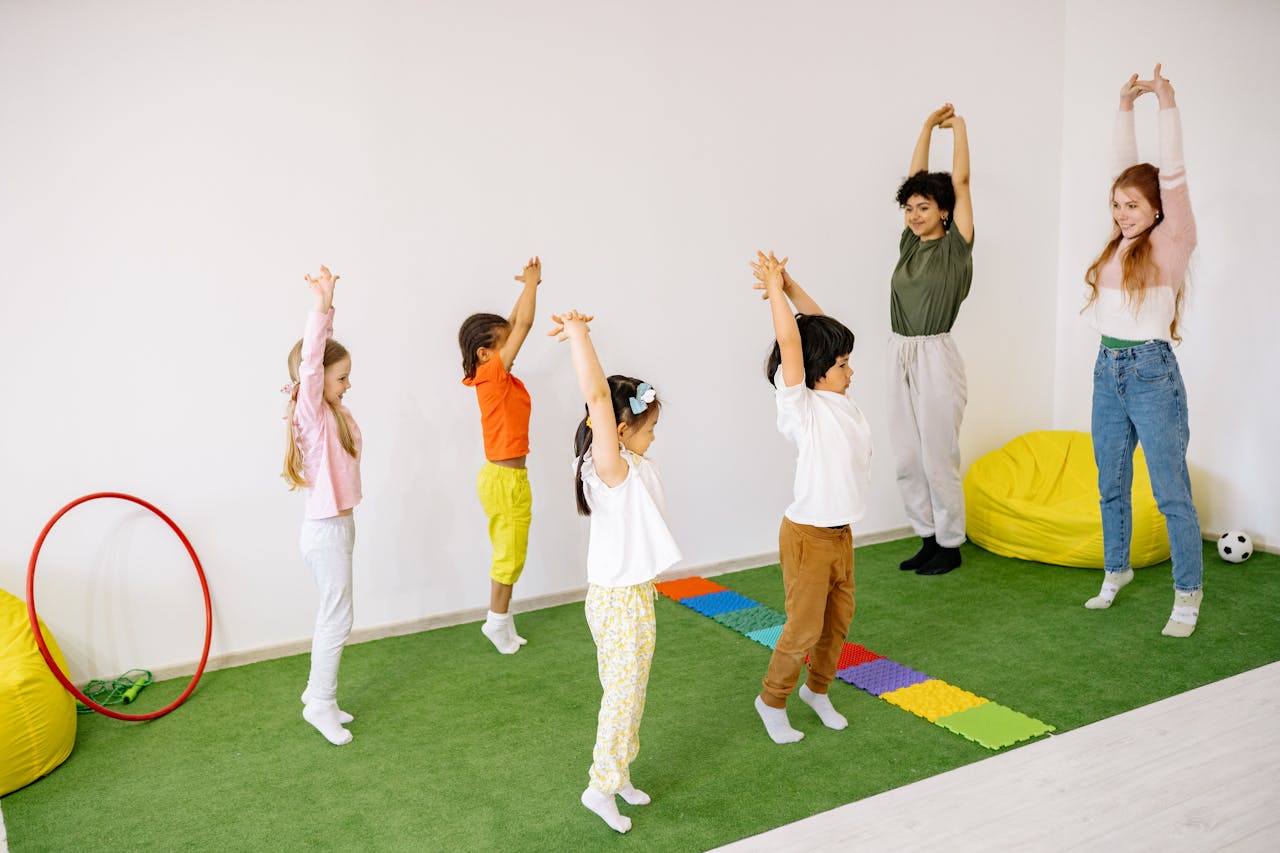
A key recommendation set out in the guidance is that every pupil should take part in a minimum of two hours of PE a week. (Pexels Photo)
The UK government recently published guidance for physical education (PE) aimed at all schools in England. The guidance is non-statutory, meaning it is not compulsory by law for schools to follow. Instead, it is intended as inspiration to help schools change their PE provision to benefit all pupils.
Initially, this document seems like a catalyst for positive change. Those, like us, who research and work in school PE have advocated for more high-level support and focus on the subject for years. But on closer inspection, the guidance seems like a missed opportunity. It shows that PE is still undervalued and misunderstood, particularly by the government.
A key recommendation set out in the guidance is that every pupil should take part in a minimum of two hours of PE a week. This, however, falls considerably short of the target set by the UK’s chief medical officer of 60 minutes per day of moderate-to-vigorous physical activity for children.
Not only is two hours a week not enough, it’s also nothing new. The Labour government set this as a target for young people in 2002, and set up a specific strategy to achieve it in 2008.
PE could be at the core of a curriculum that promotes embodied learning – learning through all the body’s senses, rather than sitting still and thinking.
The latest government guidance offers examples of schools that have prioritised active learning as models. But it also suggests that PE teachers need to use evidence to persuade school leadership and the school community of the need to include two hours of PE in the weekly timetable. Teachers deserve better than the expectation that they should have to fight for their subject.
Focus on sporting success
The guidance also emphasises that PE should be more inclusive. This includes equal provision for girls in PE, to ensure that boys and girls have access to the same sports and activities. But a big problem with PE’s inclusivity is how closely it is tied to sport and sporting success.
PE isn’t the same thing as sport. It’s an opportunity for children to learn about physical movement, health and fitness, and to gain social and emotional skills. But it isn’t appreciated as a standalone subject in this way.
For many, PE is only worth talking about when it is a way to emulate sporting success or create more successful sportspeople. This can be seen, for instance, in the links emphasised by the government between the success of England’s women’s football team, the Lionesses, and improving PE for girls. It’s also in the education secretary Gillian Keegan’s comment on the new PE guidance: “As the Women’s Six Nations kicks off, I’m delighted that we’re taking the next step to support schools to help boys and girls follow their sporting role models.”
A lack of interest or appreciation for the PE curriculum by school leadership can mean that what is on offer is driven by individual teachers’ sporting interests – with a focus on competitive sport (and often associated gender stereotypes) reinforced along the way.
Of course, increasing access to organised sport is good for the girls who want to play it. But many girls – and boys – don’t. They may feel judged by their classmates if they are less skilled, or that teachers prefer the pupils who are better at competitive sport. Children who don’t have an affinity for competitive sport are pushed out.
Lifetime benefits
PE should increase children’s physicality in learning by offering them a choice of activities that engage, motivate and inspire them to continue a lifetime love of movement. This would require a step-change in the planning and delivery of PE, as well as the training required for teachers. This new guidance will not change attitudes, access and pupil motivation.
Good quality PE can enhance children’s mental, social, emotional and physical development. But this new guidance does little to advance the state and status of PE. It will continue to be pushed aside in favour of the subjects that pupils go on to take compulsory exams in.
Children are still experiencing the mental and physical fallout from pandemic lockdowns, and pupil absence is at an alarming high. PE could and should be at the forefront of making a real and lasting difference to children’s lives and education.
PE as a curricular subject must not be viewed just as a platform for sport. To better foster the movement of young people, it should be at the centre of a curriculum that is dedicated to supporting holistic development, health and wellbeing, and improving life chances.
David Grecic, Professor of Sport and Physical Education, University of Central Lancashire; Alan Thomson, Senior Lecturer in Sport and Physical Education, University of Central Lancashire, and Andrew Sprake, Lecturer in Physical Education & Sport / Course Leader MA in Physical Education and School Sport, University of Central Lancashire
This article is republished from The Conversation under a Creative Commons license. Read the original article.




















