
Lifestyle
Do parolees really ‘walk free’? Busting common myths about parole

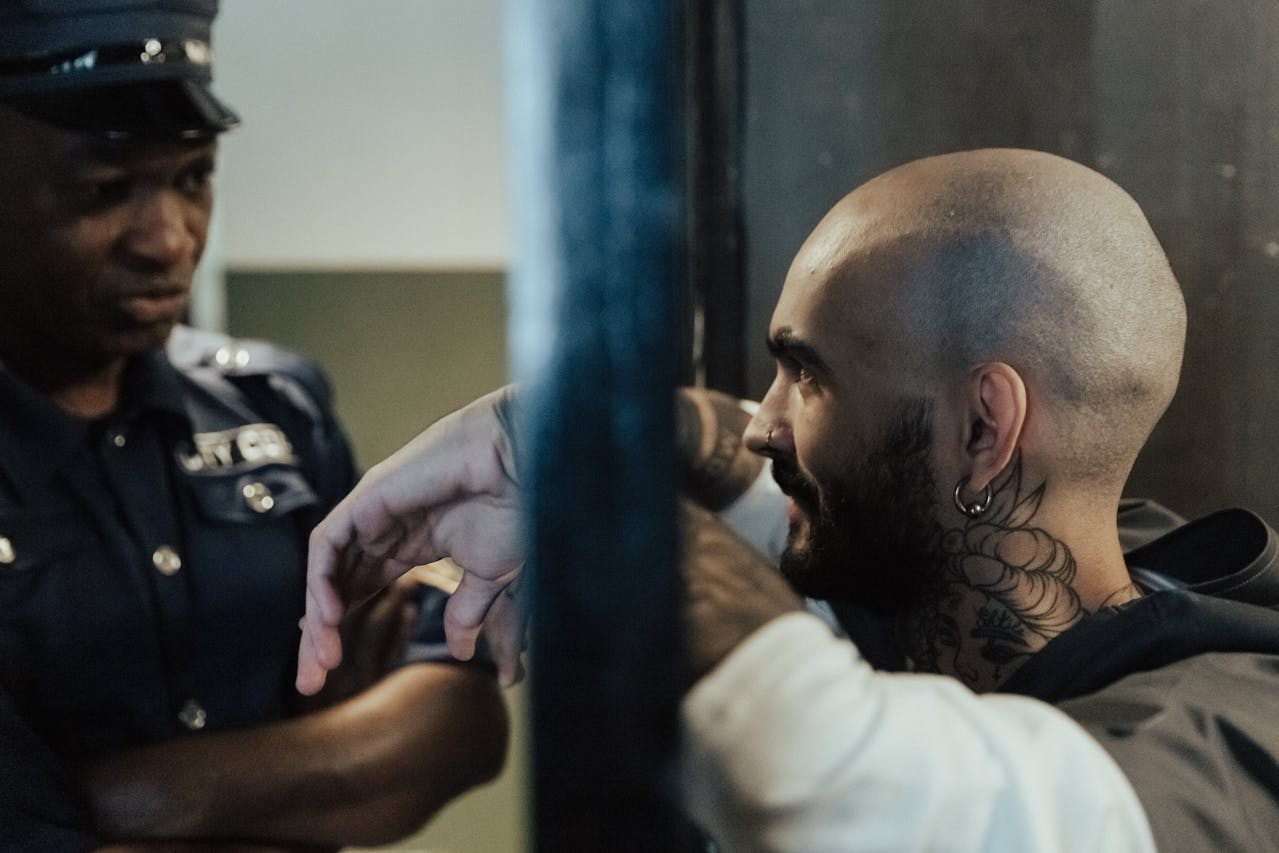
Here’s what the evidence says about three of the most common misconceptions. (Pexels Photo)
Parole is a hot topic in politics and in the media at the moment, fuelled by several high-profile parole applications.
Recently, Keli Lane’s attempt to be released on parole after years in jail for the murder of her baby daughter was unsuccessful. Paul Denyer, known as the “Frankston Serial Killer” for murdering three women in the 90s was also denied parole.
Meanwhile, Snowtown accomplice Mark Haydon was granted parole with strict conditions, but is yet to be released.
Some media coverage of such well-known cases is littered with myths about what parole is, how it’s granted and what it looks like. Here’s what the evidence says about three of the most common misconceptions.
Myth 1: people on parole walk free
Parole is the conditional release of an incarcerated person (parolee) by a parole board authority, after they have served their non-parole period (minimum sentence) in jail. This isn’t always reflected in headlines.
Some coverage suggests people on parole are released early and “walk free” without conditions. This is not true.
According to the Adult Parole Board of Victoria:
Parole provides incarcerated people with a structured, supported and supervised transition so that they can adjust from prison back into the community, rather than returning straight to the community at the end of their sentence without supervision or support.
Parole comes with strict conditions and requirements, such as curfews, drug and alcohol testing, electronic monitoring, program participation, to name a few.
People with experience of parole highlight its punitivism and continued extension of surveillance.
Myth 2: most parolees reoffend
Another myth is that the likelihood all parolees reoffend is high. Research over a number of years has consistently found parole reduces reoffending.
For example, a 2016 study in New South Wales found at the 12 month mark, a group of parolees reoffended 22% less than an unsupervised cohort.
A 2022 study by the NSW Bureau of Crime Statistics and Research found parole was especially successful in reducing serious recidivism rates among incarcerated people considered to be at a high risk of reoffending.
More recently in Victoria, the Adult Parole Board found over 2022–23, no parolees were convicted of committing serious offences while on parole.
In contrast, unstructured and unconditional release increases the risk of returning to prison.
Myth 3: parole is easy to get
While the number of parolees reoffending has dropped, so too has the total number of people who are exiting prison on parole.
Over a decade ago, Victoria underwent significant parole reforms, largely prompted by high-profile incidents and campaigns. In just five years following Jill Meagher’s tragic death in 2012, the Victorian government passed 13 laws reshaping parole.
The result is the number of people on parole in Victoria has halved since 2012, despite incarceration numbers remaining steady.
These reforms have made it more difficult for people convicted of serious offences to get parole, as well as preventing individuals or specific groups from being eligible for parole (such as police killers, “no body, no parole” prisoners, and certain high-profile murderers).
Similar laws can be found in other states. For example, no body, no parole was introduced in all other Australian states and territories, except for Tasmania and the Australian Capital Territory.
As a consequence, more people are being released at the end of their full sentence. This can be detrimental not only for the incarcerated person but the wider community, because they are not receiving the reintegration support parole provides.
Aside from restricted access due to political intervention, parole is facing a new crisis, which has nothing to do with eligibility or suitability.
Last year, 40% of Victorian parole applications were denied, often due to reasons unrelated to suitability.
Housing scarcity played a significant role, with 59% of rejections (or 235 applications) citing a lack of suitable accommodation as one of the reasons parole was denied. This is playing out across the country.
Parole is vulnerable to community and media hype, and political knee-jerk reactions in response to high profile incidents involving a person on parole. Because of the actions of a few, parole as a process has been restricted for many.
While the wider community are active in advocacy efforts to restrict parole from certain people or groups (for example, this petition for Lyn’s Law in NSW), public efforts to restrict parole seem at odds with its purposes.
Despite this, research suggests when the public are educated about the purposes and intent of parole, they are more likely to be supportive of it.
The susceptibility of parole to media and community influence results in frequent, impactful changes affecting individuals inside and outside prisons. Headlines such as “walking free” have the potential to mislead the public on the purpose and structure of parole. Coverage should portray parole beyond mere early termination of a sentence by accurately reflecting its purpose and impact.
Monique Moffa, Lecturer, Criminology & Justice, RMIT University; Alyssa Sigamoney, Associate Lecturer in Criminology and Justice Studies, RMIT University; Greg Stratton, Lecturer – Criminology and Justice Studies, RMIT University; Jarryd Bartle, Associate Lecturer, RMIT University, and Michele Ruyters, Associate Dean, Criminology and Justice Studies, RMIT University
This article is republished from The Conversation under a Creative Commons license. Read the original article.




















