Looking to photograph a solar eclipse with your smartphone? Try these features and think about creative angles

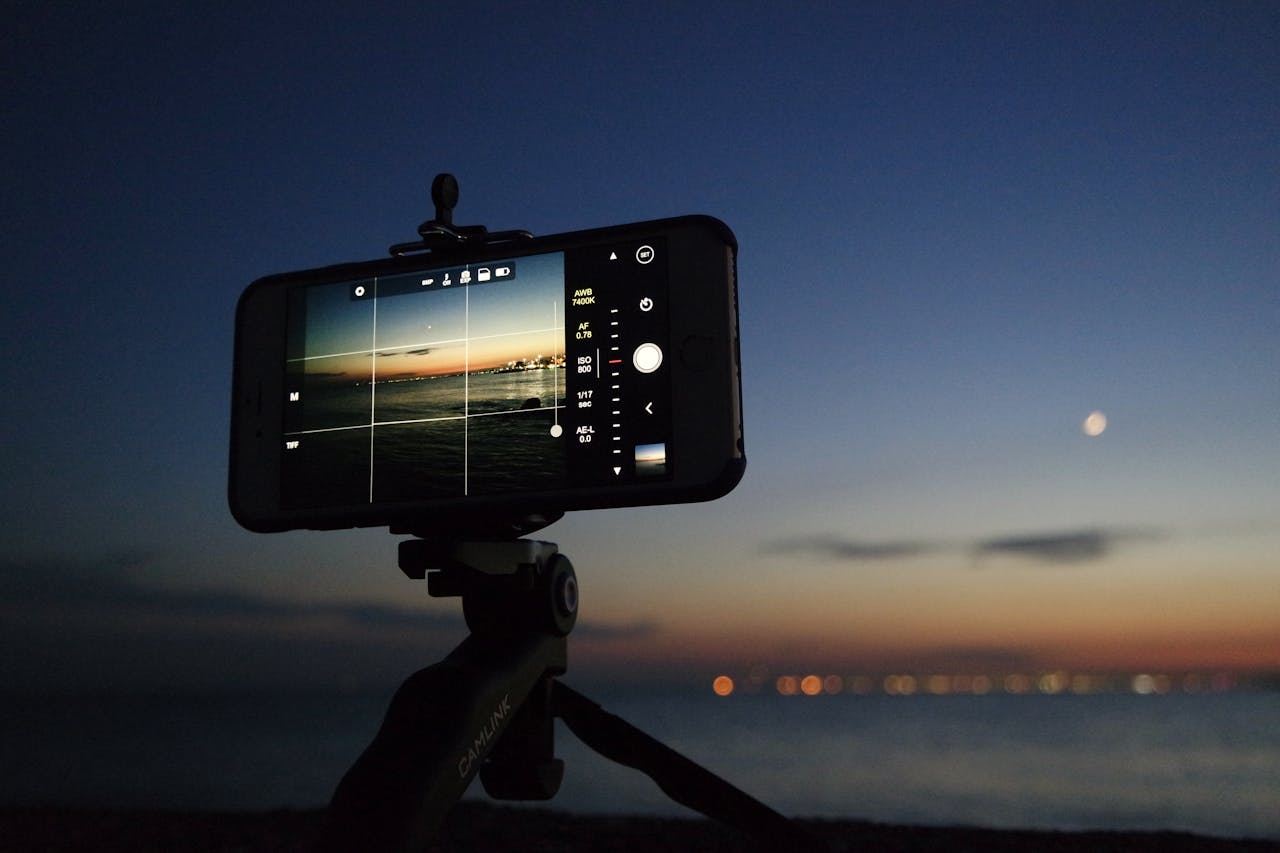
Your smartphone camera has capabilities that lots of specialized equipment can’t match. It’s lightweight, has built-in orientation detection and can shoot well in darkness and light. (Pexels Photo)
As the Moon casts its shadow across the Earth during the upcoming solar eclipse, cameras of all kinds will turn skyward. While professional photographers with specialized equipment will aim to capture the perfect shot, others will reach for their smartphones to immortalize this moment.
While smartphone cameras can’t take a great picture of a solar eclipse itself, you can still create a memorable record of the moment with your smartphone.
Your smartphone camera has capabilities that lots of specialized equipment can’t match. It’s lightweight, has built-in orientation detection and can shoot well in darkness and light. Plus, thanks to its computational photography features, it focuses the image for you and provides image stabilization.
Be careful: Photographing the eclipse with a smartphone might damage the camera’s sensor and your eyes. If you want to look at the Sun or take a photo, wear eclipse glasses and get a lens filter.
Smartphones and optical cameras both bring unique strengths to photography. Smartphones excel in convenience, connectivity and computational photography. They are a simple choice for casual shooters and social media enthusiasts.
Optical cameras beat smartphones in terms of raw image quality, versatility and creative control. This is thanks to their larger sensors, which capture more light and detail, and their interchangeable lenses. They remain the ultimate tools for serious photographers who prioritize performance over portability.
Despite the advantages of optical cameras, a smartphone’s strengths still make it a great way to capture the eclipse.
What is computational photography?
I teach a yearlong course in computational photography that covers the technical aspects of optics and photography. Students make cameras and lenses and write software that duplicates smartphone features.
Computational photography uses computation together with data like location, time of day, personal preferences and other data to improve images. Most smartphones have these features, but very few cameras do.
Two computational modes you will want to try are HDR and night mode.
HDR and night mode
HDR, or high dynamic range, is a technique that combines multiple exposures of the same scene to capture a wider range of brightness levels, from deep shadows to bright highlights. By merging these exposures, HDR can help you create images with more balanced exposure and greater detail.
You can activate your phone camera’s HDR mode in settings.
Night mode is another feature you can use that will improve the photos you take in low light. Using a computational photography technique called stacking, night mode captures multiple images at varying exposure levels and combines them to create a single, well-lit photo with a wide dynamic range.
This process preserves an image’s highlights and the details in the environment, while keeping the shadows dark.
Keep the camera steady while taking night mode photos. You can lean against something solid, such as a wall or a tree. With this computational feature, your low-light images may rival professional-grade optical cameras.
Framing the eclipse
Thinking about how you’re composing your eclipse image will help you make it more visually interesting. Composition in photography refers to the arrangement of elements within the frame.
Elements are things like the subject – a person, place or thing – plus abstractions like patterns and textures – grass, sand, leaves and more. Elements with lines or elements oriented up or down can guide the viewer’s eye through the image, and elements can pull focus to or offset the subject.
Empty or negative space around the subject can give the photo a compelling composition, like the full moon in a black sky. Adjusting the depth of field, for example by using your phone’s portrait mode, can help emphasize the subject.
Using symmetry makes a visually appealing and balanced image, while incorporating complementary colors gives the shot a more dramatic composition.
Think about how a big-budget movie might cover the eclipse. It might have 60 seconds of footage showing the Moon covering the Sun. The remaining 89 minutes would probably show how the eclipse changed people’s lives. There’s a lot more to shoot than just the Sun’s corona.
For example, there’s more that might go into an eclipse image than the sky. Animals may react to the eclipse in interesting ways. Birds may settle down or grow quiet, and nocturnal insects may come out. People around you might have excited, emotional reactions worth capturing as they witness this rare celestial event.
With HDR and night mode active, you can look for dappled light and dark shadows. The light will take on an otherworldly atmosphere as the Moon moves in front of the Sun. The light may take on a peculiar, silvery quality and appear darker than usual. Light falling through gaps between leaves will project hundreds of tiny versions of the eclipse on the ground.
Never look directly at the Sun. Wear eclipse glasses if you look up while aiming your camera.
While your smartphone may not capture the intricate details of the eclipse itself, it can help you document the impact of the eclipse on your world. So, as you prepare to witness this once-in-a-lifetime event, don’t forget to look beyond the Sun and the Moon. Observe the shadows, the colors and the emotions that surround you. Let your curiosity guide you and allow yourself to be present in the moment.
The greatest photographs are those that evoke a sense of wonder, awe and connection regardless of the technology used.
Douglas Goodwin, Visiting Assistant Professor in Media Studies, Scripps College
This article is republished from The Conversation under a Creative Commons license. Read the original article.