
Business and Economy
What’s behind the carbon tax, and does it work?

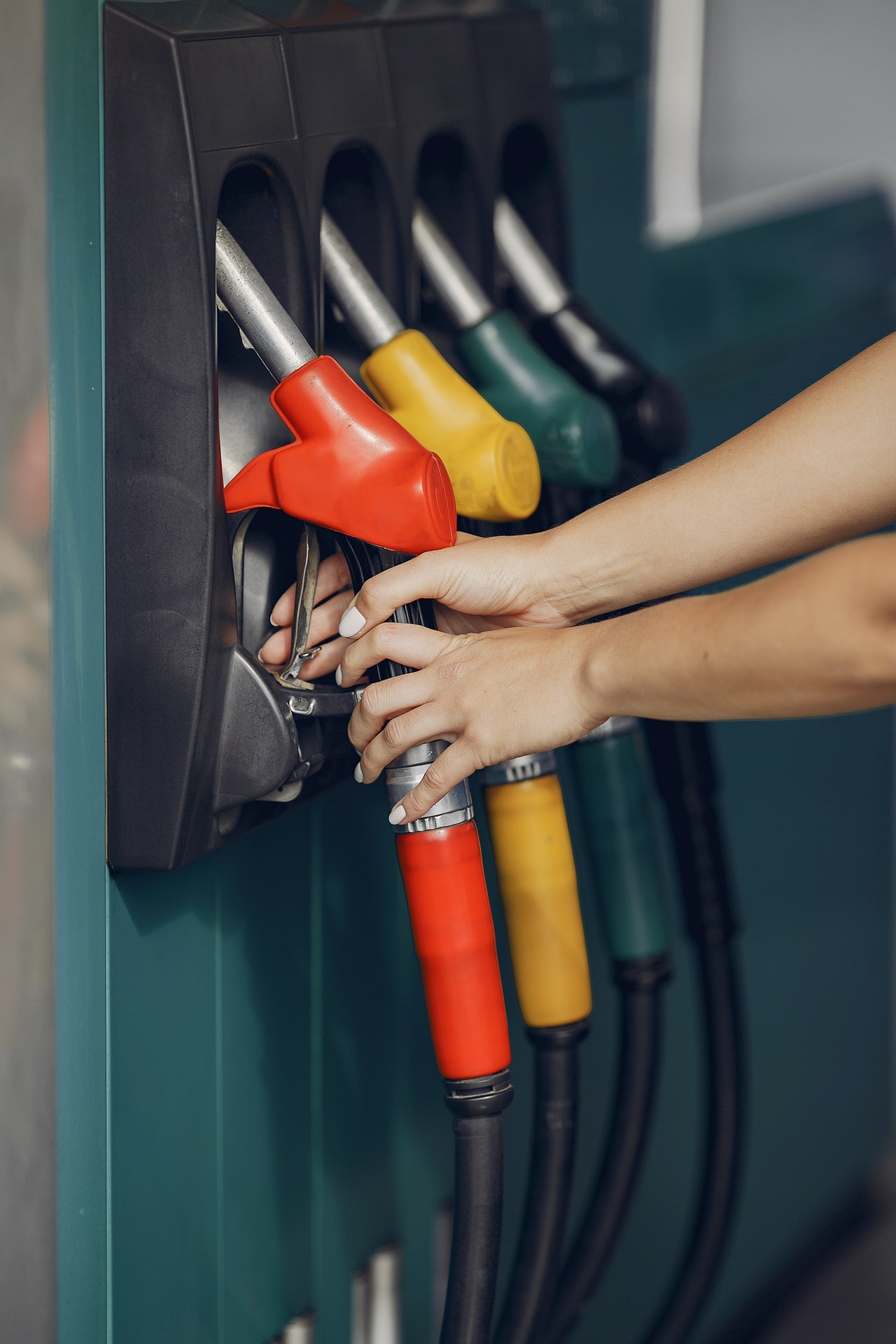
The other 10 per cent is to help grant recipients, such as businesses and schools, reduce their fossil fuel consumption. (Pexels photo)
Policy has faced plenty of criticism ahead of April 1 increase
With the federal government under pressure to freeze its planned increase to the carbon tax, policy experts are calling for a clear-eyed debate over the legislation and its role in the country’s climate goals.
Conservative Leader Pierre Poilievre, along with seven premiers, have called for the scheduled April 1 hike to be scrapped, saying it will only make inflation worse. The Tories threatened a non-confidence vote against the government over the issue, which failed on Thursday .
Here’s a look at how the policy is supposed to work and to what extent it is effective.
How much is the tax going up?
The carbon tax, also known as a price on carbon, came into effect at $20 per tonne in 2019. It has steadily climbed in the years since and is scheduled to rise from $65 per tonne to $80 on April 1.
It is scheduled to go up another $15 each year until 2030, when it reaches $170 a tonne. The gradual increases are meant to act as a financial incentive for people and businesses to change their behaviour to burn less fossil fuels and transition to greener forms of energy.
For instance, a homeowner would be compelled to retrofit their home to save on heating, install a heat pump, or switch from a gas-powered vehicle to an electric.
WATCH | Poilievre ‘lying’ about tax, says energy minister:
ENERGY MINISTER SAYS POILIEVRE ‘SHOULD STOP LYING TO CANADIANS’ ABOUT CARBON TAX
5 days agoDuration8:23The federal government is pushing back against opposition to the carbon tax increase, including from Conservative Leader Pierre Poilievre. Minister of Energy and Natural Resources Jonathan Wilkinson discusses the benefits to Canadians and why Ottawa believes this is the best way to put a price on pollution.
The current carbon price isn’t high enough to have much of an effect on consumer behaviour, but as the levy rises the incentives to use less fossil fuels will grow, says Christopher Ragan, the director of the Max Bell School of Public Policy at McGill University.
We shouldn’t be thinking about this over a few months or even a few years — we should be thinking about this policy over the longer term,
said Ragan, who is also the former chair of the Ecofiscal Commission, a group of experts that advocated for a carbon tax.
The April 1 increase will only amount to about three cents more per litre of gasoline. By 2030, though, the price on carbon would add nearly 40 cents per litre. Ragan says the scheduled increases should be maintained, to allow businesses to plan their costs and make decisions accordingly.
You want, especially businesses who are planning for the future, you want them to have some certainty about where the carbon price is going,
he said.
Where does it apply in Canada?
The carbon tax applies to residents in Newfoundland and Labrador, New Brunswick, Nova Scotia and Prince Edward Island, Ontario, Manitoba, Saskatchewan, Alberta, Yukon and Nunavut.
Ninety per cent of the government revenues are returned to households in those provinces through a quarterly rebate program, with households receiving a quarterly payment based on family size.
The other 10 per cent is to help grant recipients, such as businesses and schools, reduce their fossil fuel consumption.
B.C., Quebec and the Northwest Territories have their own carbon-pricing mechanisms that meet federal standards — so they aren’t part of the federal tax or rebates.
Seven premiers have called for Prime Minister Justin Trudeau to pause or cancel the coming carbon tax increase to consumers, citing cost of living (new window) concerns.
Saskatchewan has gone farther, saying it won’t remit (new window) the carbon tax levied on natural gas to the federal government after Ottawa carved out an exemption (new window) for home heating oil.
Does it reduce emissions?
Research (new window) suggests (new window) putting a price on carbon can play a role — but is only a small part of what’s required to help Canada meet its climate targets.
The Liberals have pointed to this as the flagship climate policy, and I think that’s wrong,
said Jessica Green, a political science professor at the University of Toronto who researched carbon pricing.
WATCH | Carbon tax is cutting emissions: report:
NEW REPORT SHOWS CARBON PRICE IS REDUCING EMISSIONS
As the Liberals survive a Conservative non-confidence vote to topple the government over the carbon tax, a new report from the Canadian Climate Institute shows that the price on carbon is actually working to reduce emissions.
The evidence indicates that is not correct, that if we are going to decarbonize, we need different tools.
Green says the federal government must stop underwriting the fossil fuel industry with billions of dollars in subsidies, which makes emissions less expensive.
There are two systems for pricing carbon in Canada: the fuel charge applied to consumers, and another system applied to industrial emitters.
The federal government has estimated that all carbon pricing will account for up to one-third of Canada’s emissions reductions in 2030.
M ost of that one-third will come from the industrial pricing, which is far more effective according to a new study by the Canadian Climate Institute.
The researchers found that the carbon pricing applied to big industrial polluters will cut between 53 million and 90 million tonnes by 2030, while the pricing on consumers will cut between 19 million and 22 million tonnes.
Benjamin Shingler · CBC News
This article is republished from RCI.




















