Lifestyle
Why do children laugh? It’s not always because they’re happy

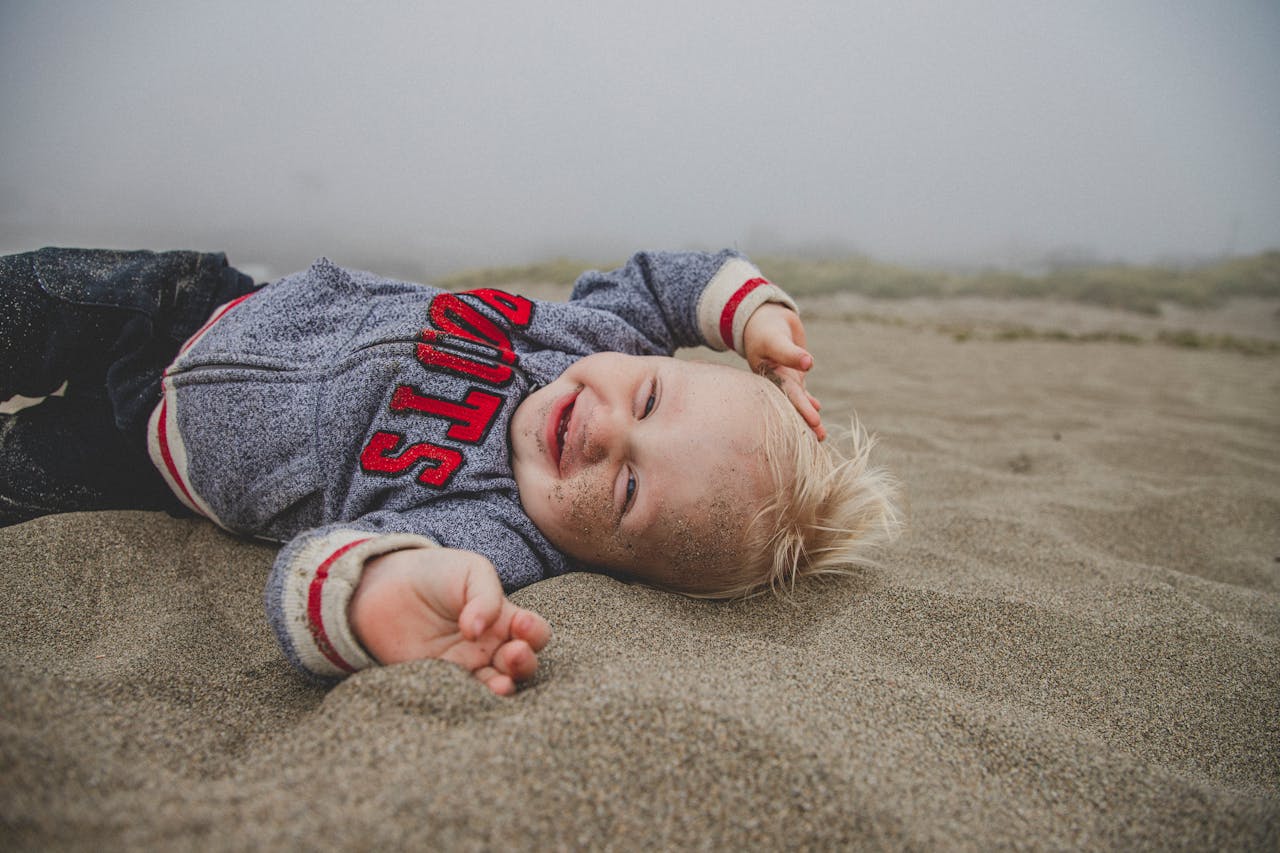
Laughter begins soon after birth. (Pexels Photo)
Though it may seem like a paradox, children do not laugh for joy. Scientific studies, including my own, show that there is something much deeper than joy or mirth in a child’s laughter.
Adults’ laughter is equally complex. In a previous study on the meaning of laughter in adults, I concluded that it is an evolutionary response to something confusing or unexpected. It is a powerful “all clear” signal to ourselves and others that a potential threat is, in fact, harmless.
Building on this research, my most recent study focuses on laughter in children and babies. I find that it is closely connected to brain and personality development: children laugh for very different reasons at different stages of development, long before they can grasp abstract concepts like wordplay, punchlines, or even language.
Laughter’s evolutionary benefits
Laughter stems from our ability to subconsciously understand and judge the incongruities in a joke or action: it is our response to an instant transition between astonishment and resolution.
Laughter in adults therefore signals the passing of threat or fear, both to ourselves and those around us. That is also why children – and many adults – laugh on rollercoasters or in similar situations: instead of crying in fear, they pass from bewilderment and terror to resolution. Laughter is the signal of this passage.
Several studies show that this process is the mechanism behind successful comedy, especially physical comedy. French philosopher Henri Bergson first proposed and explained this mechanism in 1900 with regard to slapstick: “The laughable element … consists of a certain mechanical inelasticity, just where one would expect to find the wide-awake adaptability and the living pliableness of a human being.”
Babies learn how to laugh
Laughter begins soon after birth. Infants learn to laugh because they want to imitate their parents, and to receive approval from them. This is the way babies learn everything at first: through imitation and receiving the approval of adults around them.
But as they grow, babies come out of the symbiosis with their parents that characterises the first months of life. They learn to distinguish their own person from their parents and the world around them. Once they begin to behave autonomously – from age 2 to 5 – they begin to feel a new sensation for the first time: certain things may seem cold, strange, or out of place, and this shocks, confuses and amazes them.
This is where laughter comes in: after a moment of hesitation, they understand that what seemed frightening or unexpected is actually harmless.
For example, a child laughs when they see their father with a fake clown nose. Why? Because for a split second they felt embarrassed: that nose is not a “live” nose. When they understand it was just dad’s joke, they calm down and laugh. They may also laugh when their older brother makes a silly face, and the process is the same: amazement, reassurance, laughter.
Grasping logic allows children to understand jokes
From age 5 or 6 and up, children learn to handle abstract concepts, meaning they can grasp and “get” jokes. This happens when they overcome the earlier stage of egocentrism, which hinders their understanding of others’ reasoning.
At this stage, laughter arises with the same criteria as that of adults, that is, to disapprove what they find cold and false, not only in other people, but also in processes of reasoning. This mental process forms the basis of a good punchline: incongruence, astonishment and resolution.
These three stages of laughter development – imitation and approval, amazement, disapproval – are good indicators of child’s mental growth and development.
Parents’ laughter can help babies develop
The laughter of parents, as well as babies, is important for development, but why do parents instinctively laugh at their babies? We can easily understand that a mother or father joyfully smiles at their baby, but laughter is more complex.
When looking at their child, a parent cannot help but have a moment of perplexity: babies are strange by nature because they resemble adults, but do not speak or behave like one. This momentary amazement lasts a fraction of a second before being immediately overcome: it is just their beloved baby!
This should encourage all parents to engage in laughter with their babies, to not feel self conscious or scared, and to be their “laughter companions”. Such interactions can improve babies’ behaviour and wellbeing – laughter is a proven ally to our immune system – and help them to develop a natural, healthy relationship with this complex human response.
Carlo Valerio Bellieni, Professor of Pediatrics, Università di Siena
This article is republished from The Conversation under a Creative Commons license. Read the original article.