Business and Economy
Inflation settles at 3.4% in February

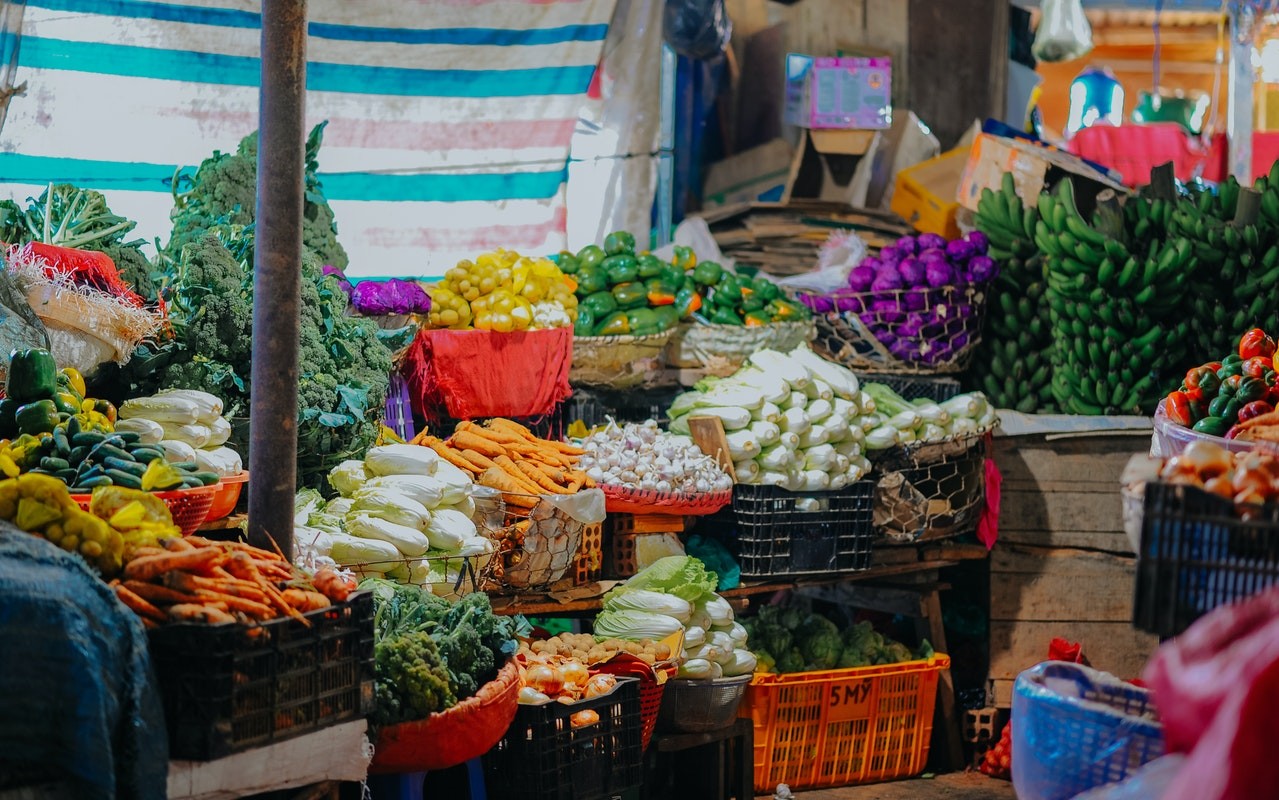
HIGHER INFLATION. The country’s inflation rate picks up to 3.4 percent in February this year from 2.8 percent in January. The government assured that it is ramping up efforts to make sure inflation stays within the government target. (Pexels Photo)
MANILA – The government is intensifying its efforts to mitigate the effects of the El Niño phenomenon and help keep the inflation rate within target.
The National Economic and Development Authority (NEDA) made the statement on Tuesday after the Philippine Statistics Authority (PSA) reported that headline inflation accelerated to 3.4 percent in February this year.
The headline inflation during the month was still within the government’s 2 to 4 percent target but higher than the 2.8 percent recorded in January this year.
In a briefing, National Statistician Dennis Mapa said the headline inflation last month however was lower than the 8.6 percent recorded in February last year.
Core inflation which excludes volatile oil and food items slightly went down to 3.6 percent in February from 3.8 percent in January.
Mapa said the uptrend in the overall headline inflation in February 2024 was primarily influenced by the higher year-on-year increase in the heavily weighted food and non-alcoholic beverages at 4.6 percent during the month from 3.5 percent in the previous month.
Food inflation rose to 4.8 percent in February from 3.3 percent in January.
Rice inflation in particular went up to 23.7 percent which Mapa attributed to tight supply and high world rice prices.
The annual increase of transport at 1.2 percent from an annual decline of 0.3 percent in January 2024 also contributed to the uptrend in overall inflation.
Mapa said housing, water, electricity, gas, and other fuels also contributed to the uptrend as it recorded a faster annual increase of 0.9 percent from 0.7 percent in January 2024.
Medium-term inflation path
In a statement, the Bangko Sentral ng Pilipinas (BSP) said the latest inflation data is within its forecast range of 2.8 to 3.6 percent.
The central bank said that while the BSP expects inflation to remain within target in the first quarter of the year, inflation could temporarily accelerate above the target range in the second quarter due to the adverse impact of El Niño weather conditions on agricultural production and positive base effects.
“The risks to the inflation outlook have receded but remain tilted toward the upside. The upside risks to the inflation forecasts are linked mainly to higher transport charges, increased electricity rates, higher oil, and domestic food prices, and the additional impact on food prices of a strong El Niño episode,” the BSP said.
The BSP said the Monetary Board deems it appropriate to keep the BSP’s monetary policy settings unchanged in the near term amid the improvement in inflation conditions.
“The BSP also continues to support the National Government’s non-monetary measures to address supply-side pressures on prices and sustain the disinflation process,” the central bank said.
Government measures
NEDA Secretary Arsenio Balisacan said the government would continue monitoring food supply and prices and implement necessary policies and strategies to ensure affordable and adequate food for Filipino families, especially those from the most vulnerable sectors.
“As we navigate the economic landscape, it is imperative that we remain vigilant and proactive in our approach to managing inflationary pressures. While we have seen some relief from certain inflation risks, we must not become complacent. The potential impact of a strong El Niño weather pattern on food prices is a significant concern for our community,” he said in a separate statement.
“Rising transportation costs, electricity rates, and volatile oil markets are putting pressure on household finances. Our team is actively formulating robust strategies with the concerned agencies in response to these challenges. We must be agile, adaptive, and forward-thinking,” Balisacan added.
International rice prices have started to ease, and local supply is expected to increase with the dry season harvest beginning this month until April, he said.
He added that the Department of Agriculture is closely collaborating with the International Rice Research Institute to increase the country’s rice production.
Meanwhile, the next phase of the vaccine test for African Swine Fever is awaiting Food and Drug Administration approval, he said.
Once the ASF vaccine is proven effective, the government will roll out a vaccination campaign to help ensure adequate pork supply in the country, he added.