
Health
Losing weight associated with an increased cancer risk – a closer look at the study

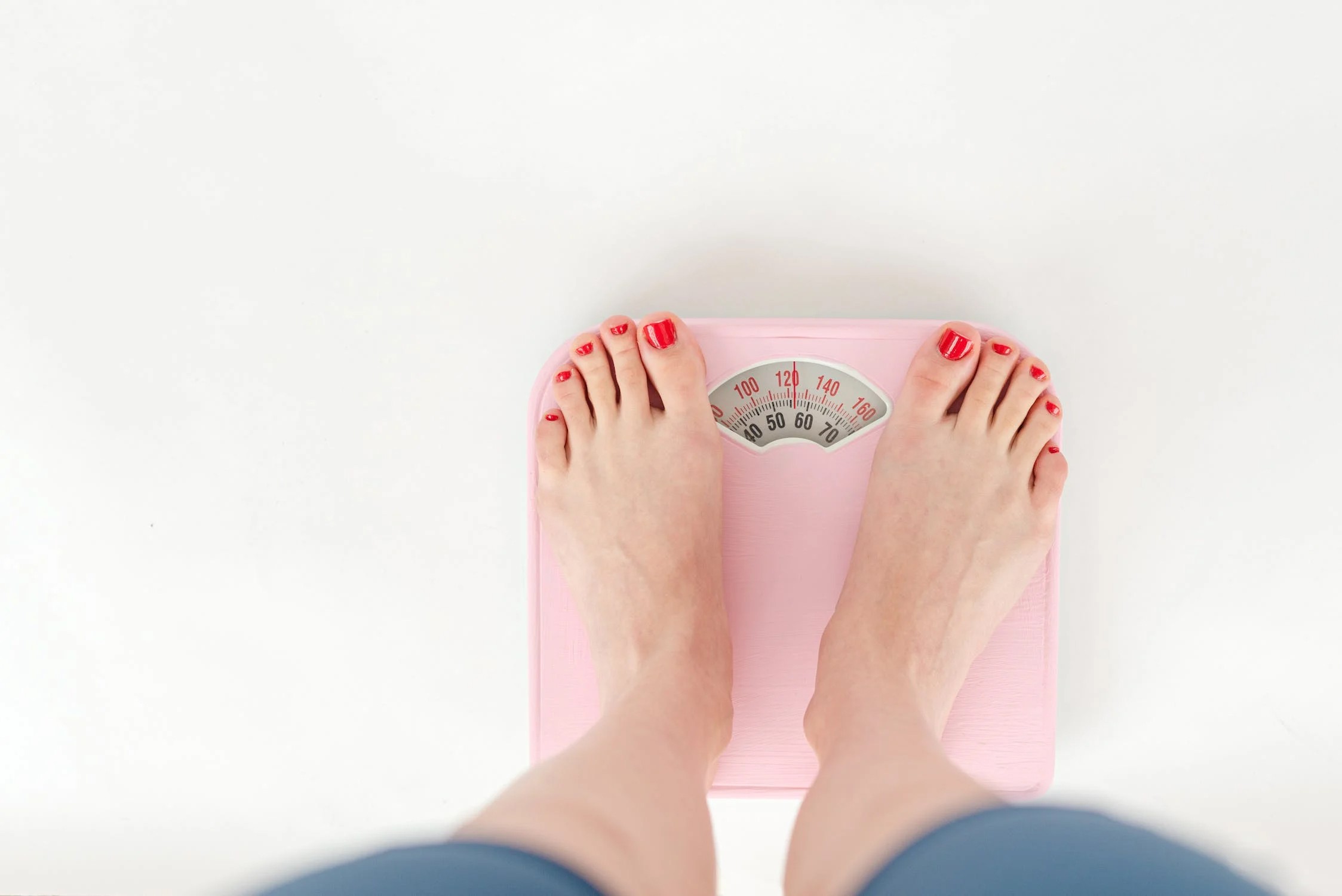
But not all cancers were equally linked to weight loss. (Pexels photo)
Being overweight is linked to many health issues, including cancer. Studies have shown that obesity is associated with at least 13 types of cancer. And in some regions, such as North America, Europe and the Middle East, obesity contributes to up to 9% of all cancer cases. It might even become the top cause of cancer in UK women in the next 25 years. So losing weight is clearly an important health goal.
However, a recent study produced an unexpected result. It found that weight loss was associated with a significantly higher rate of cancer during the 12 months following the weight loss, compared with those who hadn’t lost weight.
The study used data from nearly 160,000 health professionals who have been studied for an average of 28 years. These people reported their health and lifestyle details every two years up to 2016. The researchers paid special attention to their weight changes.
Participants were divided into three groups based on how intentional their weight loss was: “high” for those enhancing both diet and exercise, “medium” for improvements in diet or exercise, and “low” for no notable improvements in either.
Among the participants, a striking finding emerged: people who lost more than 10% of their body weight had a significantly higher risk of cancer diagnoses in the following year.
But not all cancers were equally linked to weight loss. The study found a strong connection between weight loss and cancers of the upper digestive system (gullet and stomach), liver, pancreas and bile ducts.
For these types, the risk was much higher, with chances increasing between three to over seven times. The link was weaker for colorectal and lung cancer, though, and didn’t seem to affect the likelihood of getting breast, prostate and cancers that affect just women.
Some limits
The study’s authors are careful, though. They know their research has some limits. For one, they relied on people’s own reports of their weight, which might not always be accurate. Also, they only checked in on participants every two years, which meant some details could be missed. Plus, the study was mostly on US health professionals, who might be more aware of cancer and have better access to healthcare.
Notably, the risk was highest in those who made the least effort to lose weight (those classified as “low intentionality for weight loss”). So, on closer examination, this study may back up what we knew already: if you’re losing weight without trying, it’s important to look into why.
What’s new here is that the study helps point out which cancers might be the reason for this unexpected weight loss. This means when someone loses weight without a clear reason, doctors might focus more on checking for certain cancers, like those in the stomach area or liver, to find out what’s going on.
On the other hand, there’s a lot of evidence showing the benefits of losing weight on purpose. For instance, a study published in 2022 found that people who made significant lifestyle changes had a 16% lower risk of obesity-related cancers. Another study from the same year found that weight-loss surgery greatly reduced the risk of getting cancer and dying from it.
So it’s important to remember the proven benefits of managing weight and staying active to prevent cancer.
Weight management is a complex field that includes medication, surgery and lifestyle changes. In the future, we may tailor weight goals to fit individual health needs better, thanks to a deeper understanding of what truly contributes to wellbeing.
Research suggests that being slightly overweight in older age might not be as bad as we once thought and could even be linked to living longer. As we face a global obesity epidemic, this information helps tailor approaches to weight management and cancer prevention.
Gianmarco Contino, , University of Birmingham
This article is republished from The Conversation under a Creative Commons license. Read the original article.




















