
Food
Meet your gut microbes: Lactobacillus brevis – a fermentation superstar

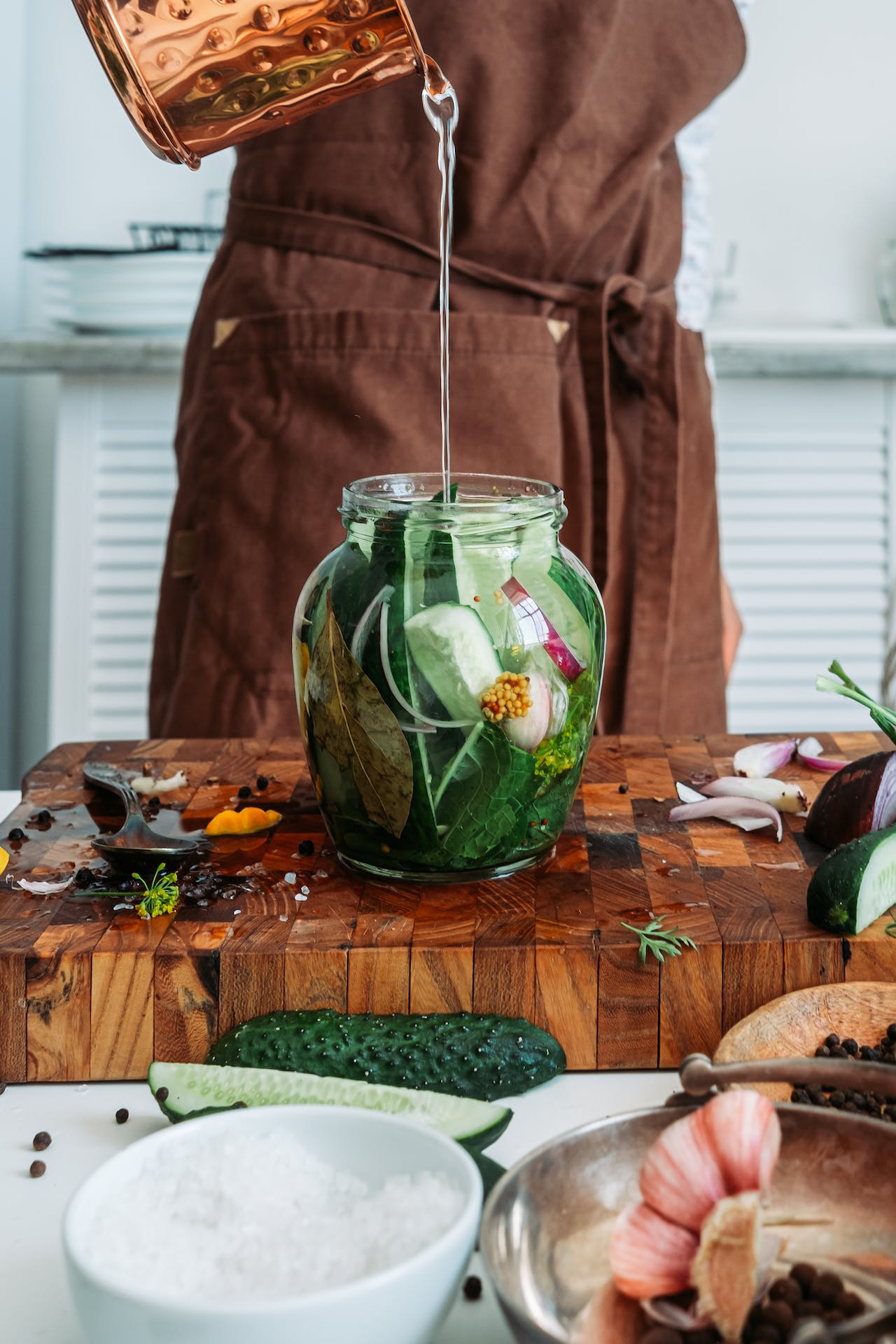
When it comes to fermentation and food storage, lactic acid is produced by lactic acid bacteria – necessary for creating a low pH environment that stops food spoiling. (Pexels Photo)
Fermentation, one of the oldest food production and preservation techniques, has seen a huge revival in recent years. From craft beers and kombucha to yoghurt, sauerkraut and pickles, fermentation is central to producing these foods and drinks. There are different types of fermentation, one of which is lactic acid fermentation.
Lactic acid (also known as lactate) is best known for the burning sensation we feel in our muscles when exercising, which acts as a signal to the body to lower the intensity of the activity.
When it comes to fermentation and food storage, lactic acid is produced by lactic acid bacteria – necessary for creating a low pH environment that stops food spoiling. Some lactic acid bacteria produce lactic acid only. Others produce lactic acid as well as a wide range of other organic acids, which further acidify and create an environment that’s free of oxygen. Lactobacillus brevis is one such bacterium.
This microorganism, when viewed under the microscope, can be described as rod-shaped with rounded ends. It’s also Gram positive – meaning that it stains an indigo colour when tested using the Gram staining technique. It thrives at a temperature of 30-40°C and a slightly acidic pH (pH 4-6).
Most importantly, it’s a superstar when it comes to fermentation – producing lactic acid, acetic acid and carbon dioxide during the process.
Why might you want a microbe that makes organic acids and carbon dioxide?
One of the several food products where Lactobacillus brevis is naturally found is sauerkraut. Traditionally produced sauerkraut has long been known to be a good source of lactic acid bacteria. These bacteria are also found in pickles, in the tibicos grains used to make kefir and are a natural component of the gut microbiome.
During sauerkraut preparation, Lactobacillus brevis and other lactic acid bacteria, such as Lactococcus and Leuconostoc species, help to ferment cabbage. During this process, the bacteria break down sugars in the cabbage, producing carbon dioxide and lactic acid, giving rise to the unique attributes of this fermented product.
When I open a jar of sauerkraut, I am always pleasantly surprised by the fizzing sound and appearance of the jar contents. It’s the production of the carbon dioxide that results in the impressive effervescence. The lactic acid and acetic acid are responsible for the tangy, slightly sour or acidic taste.
Also, because these are organic acids, they naturally lower the pH of the fermented cabbage – meaning that most contaminating microorganisms that favour a neutral pH will no longer be a part of the environment. Lactic acid bacteria also produce antimicrobial compounds such as bacteriocins, which prevent the growth of other contaminating bacteria. These effects make fermentation an excellent preservation technique.
In terms of gut health, the microbiome is complex. It’s unique to each person and can be influenced by several factors, including diet. Some lactic acid bacteria have been reported as being probiotic – meaning they’re live microorganisms that improve gut health. Also, although sauerkraut is promoted as containing probiotic bacteria, questions remain regarding the viability of these bacteria at the time of consumption – and whether they’re present in sufficient numbers to be beneficial.
Just as the microbiome itself is an ever-changing landscape, so too is this field of research as investigations continue to be carried out. But if you do decide to join me in adding sauerkraut to your diet for its unique taste and texture – and possible health benefits – bon appétit.
This article is part of Meet Your Gut Microbes, a series about the rich constellation of bacteria, viruses, archaea and fungi that live in people’s digestive tracts. Scientists are increasingly realising their importance in shaping our health – both physical and mental. Each week we will look at a different microbe and bring you the most up-to-date research on them.
Leanne Timpson, Lecturer in Microbiology, Nottingham Trent University
This article is republished from The Conversation under a Creative Commons license. Read the original article.




















